 Whalesbook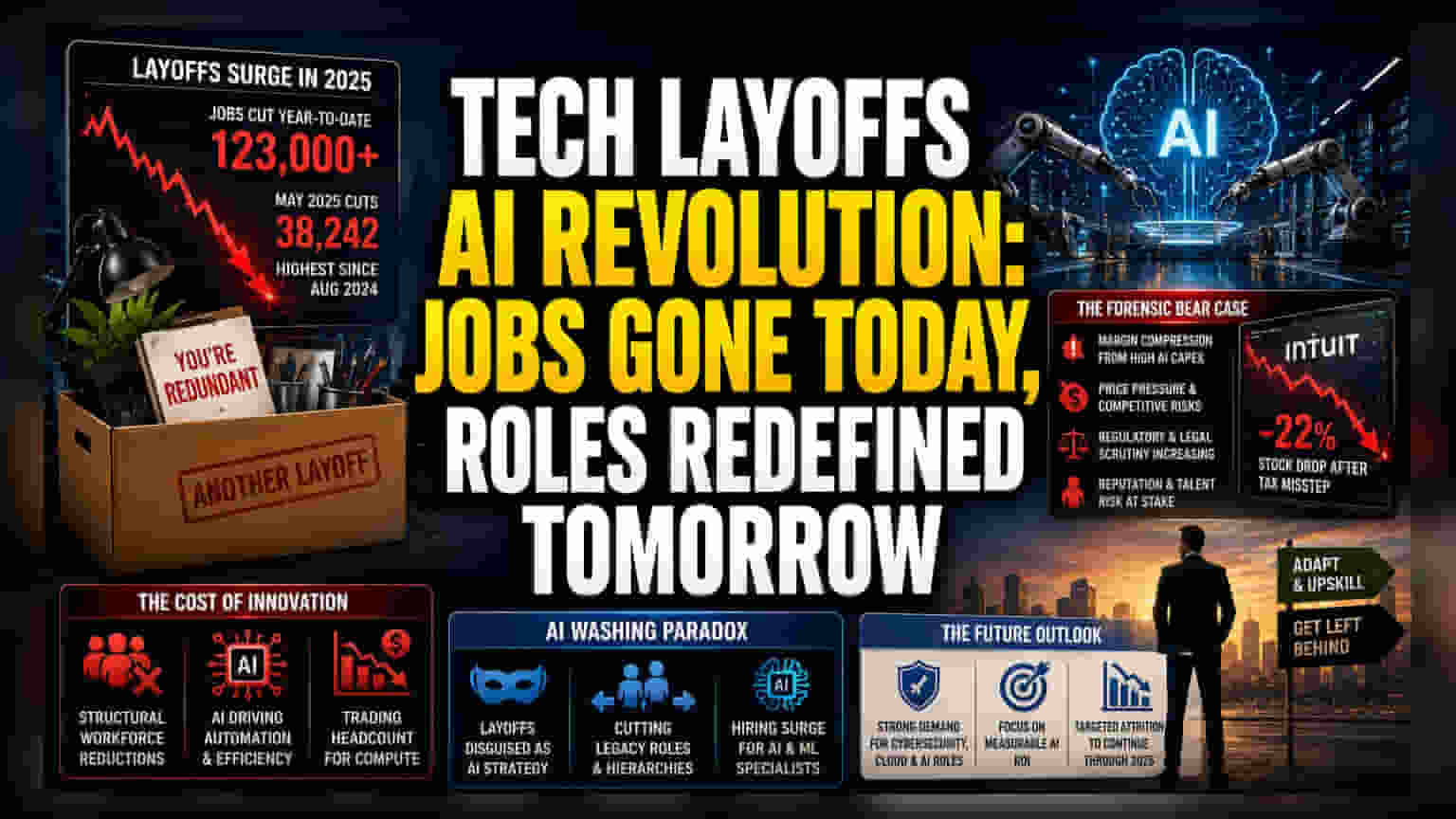


The Cost of Innovation
The narrative of widespread tech sector layoffs has solidified, with year-to-date losses now exceeding 123,000 positions. May alone saw a surge of 38,242 cuts, marking the most significant monthly contraction since August 2024. This isn't merely a post-pandemic correction; it is a structural pivot where artificial intelligence has moved from a speculative asset to the central justification for deep workforce reductions. Companies are actively flattening management hierarchies and automating routine operational tasks, effectively trading traditional headcount for intensified compute expenditure.
The AI Washing Paradox
While executives frequently cite AI integration as the primary engine for these decisions, analysts suggest a more complex reality. Many firms are leveraging the current climate to perform overdue housekeeping—cutting legacy middle-management and auxiliary divisions under the guise of AI-driven efficiency. This phenomenon, often termed "AI washing," masks the broader reality that many companies are simultaneously hiring aggressively for specialized roles in machine learning and infrastructure. This creates an uneven market where the demand for high-level technical expertise creates a talent premium, even as the broader labor pool faces unprecedented displacement.
The Forensic Bear Case: Structural Weaknesses
The aggressive pursuit of leaner, AI-native operating models carries significant risk. Intuit serves as a cautionary example, where a massive stock devaluation followed management’s admission that it "lost on price" during the tax season, compounded by aggressive competitive pressure. Unlike firms that successfully monetize their AI infrastructure, others face margin compression as capital expenditure costs for AI deployment balloon without immediate, bottom-line revenue realization. The regulatory environment is also shifting; California and federal lawmakers are scrutinizing whether AI-driven layoffs are being used to circumvent existing labor disclosure requirements, adding a layer of legal and reputation risk that firms have yet to fully price in.
The Future Outlook
Professional sentiment remains cautious. While hiring in cybersecurity, cloud development, and AI engineering remains robust, the era of generalized tech growth has ended. The market is increasingly favoring firms that demonstrate clear, quantifiable ROI from their AI investments, punishing those that treat workforce reduction as a shortcut to operational sustainability. Expect continued, targeted attrition through the remainder of 2026 as companies struggle to reconcile their bloated cost structures with the specialized needs of an AI-centric enterprise.