 Whalesbook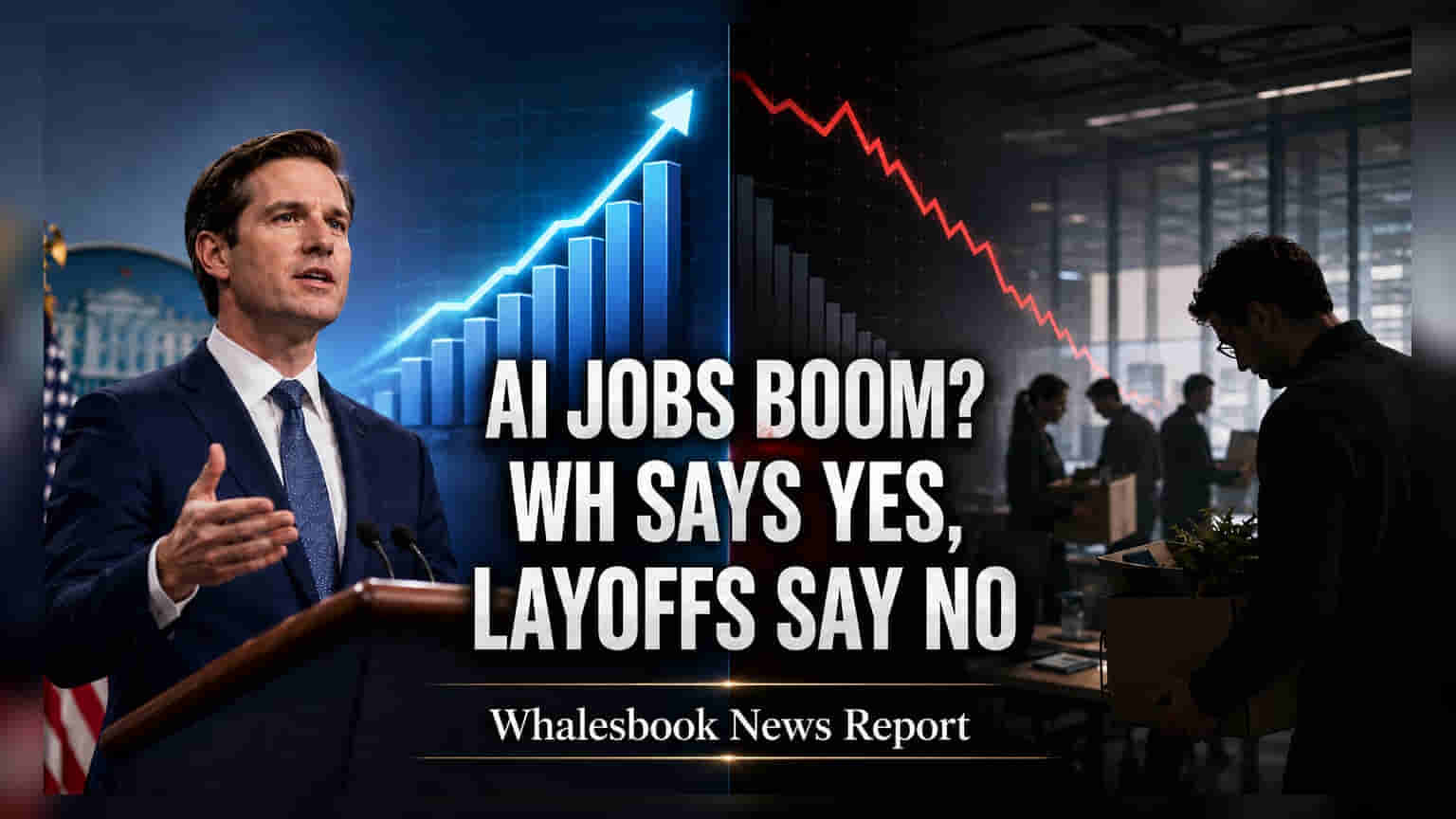


Tech Sector Realigns for AI Investment
The U.S. technology industry is undergoing a significant shift, with companies cutting over 142,000 jobs in 2026. This trend diverges from optimistic projections by White House officials like National Economic Council Director Kevin Hassett, who views artificial intelligence as a net positive for job creation and productivity.
Instead of broad hiring, tech firms are engaged in substantial corporate restructuring. Billions of dollars are being redirected towards high-end compute infrastructure, data centers, and advanced silicon. These capital expenditures are being funded by shedding legacy roles, a move that, while aimed at long-term profit, is currently reducing workforce stability.
Entry-Level Market Struggles
Data indicates a challenging labor market for new graduates. The unemployment rate for young college graduates (ages 22-27) was 5.7% in the first quarter of 2026. This figure contradicts claims of a booming entry-level market. While nearly 98% of small businesses report integrating AI, it's not consistently leading to job growth. Many firms are using AI to streamline operations, substituting human labor rather than expanding the workforce.
The pace of layoffs in the tech sector is also faster than in previous cycles like 2022-2023. This accelerated pivot reflects an urgent effort by management to gain early advantages in the AI race.
Risks of AI-Focused Cost-Cutting
Companies like Meta and Cisco are openly stating that job cuts are necessary to fund AI infrastructure. This strategy creates operational risks, including the loss of institutional knowledge and decreased employee morale. The regulatory landscape also adds uncertainty, with potential executive orders posing compliance challenges.
Many companies are betting heavily on AI as their primary growth driver. If these significant capital investments do not yield substantial returns soon, the sector could face margin compression. Investors are increasingly looking for companies that can demonstrate a clear return on investment from AI, beyond just cost savings from layoffs.
Automation Trend Expected to Continue
Market analysts anticipate the drive toward automation will continue through 2026. The focus will remain on companies that can prove AI investments are profitable. Despite the administration's positive economic outlook, the gap between official optimism and the tech labor market's reality poses a significant risk.