
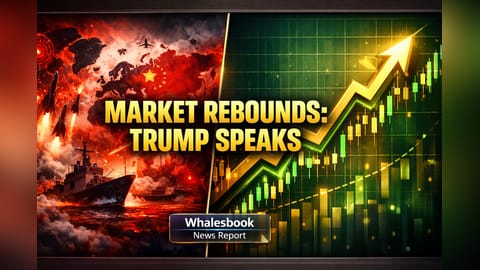
Market Gains Driven by War Hopes and Data
Wall Street indices closed higher on Wednesday, April 1, 2026, extending a two-day recovery. The Dow Jones Industrial Average added 224.23 points to finish at 46,565.74, a 0.48% gain. The S&P 500 advanced 0.72%, climbing 46.80 points to 6,575.32, while the Nasdaq Composite saw a stronger 1.16% increase, gaining 250.32 points to close at 21,840.95. This upward momentum was boosted by hopes for a swift resolution to the Iran conflict, which helped oil prices fall. Brent crude futures settled around $101 per barrel, and West Texas Intermediate (WTI) crude traded near $99. Positive economic reports also supported this optimism. ADP data revealed private payrolls increased by 62,000 in March, beating forecasts of 40,000. February retail sales also beat expectations, and March manufacturing activity hit its highest level since 2022. European markets followed this trend, with the pan-European Stoxx Europe 600 index gaining 2.5%.
Analyst Skepticism and Economic Crosswinds
Despite the broad market uplift, analysts are skeptical. JPMorgan and Goldman Sachs believe the recent gains are due to technical short-covering, not a fundamental shift in sentiment over geopolitical tensions. This is compounded by a mixed economic picture: rising input prices have hit a four-year high, signaling potential inflation despite growth figures. The US Dollar Index, which had seen safe-haven demand, retreated to approximately 99.5, suggesting immediate fears of dollar strength were easing. Gold continued to recover, partly due to speculation about Federal Reserve rate cuts, though the odds for a December cut are now seen around 35%.
Geopolitical Watch and Fed Policy Outlook
Traders are watching closely ahead of President Donald Trump's address, expected to update on the Iran war. While signs of de-escalation appear, the strategic implications, especially for the Strait of Hormuz, continue to affect commodity markets and investor sentiment. The US Dollar Index has shown volatility, falling below 100.00 as risk appetite grew, though it gained 2.3% in March amid earlier war fears. Meanwhile, the Federal Reserve's monetary policy outlook is a significant focus. As inflation measures may rise due to energy price shocks, prospects for rate cuts this year are fading. Some analysts see rate hikes as a possible, though unlikely, outcome. Goldman Sachs forecasts 2-2.5% GDP growth for 2026 and expected Fed cuts in March and June, but recent data suggests delays are more likely.
Structural Weaknesses and Bearish Signals
This rally faces several structural weaknesses. The gains seem driven by technical factors and unwinding of short positions, lacking strong fundamental conviction. The surge in input prices to a four-year high suggests potential stagflation, which could hurt corporate margins even with revenue growth. Geopolitical risks, though seemingly easing, remain. Iran's control over the Strait of Hormuz, a key energy route, poses a persistent supply risk. While markets have historically shown resilience to conflicts, often recovering within months, the current environment is different, with an energy shock already underway and Fed policy expectations shifting from cuts to holds or even hikes due to persistent inflation. Unlike times with strong economic foundations, this rally is built on an uncertain inflation outlook and AI-driven market shifts. The significant rise in US crude inventories, up for a sixth straight week, also weighs on energy prices, despite geopolitical tensions.
Looking Ahead: Key Reports and Outlook
Markets will watch President Trump's address closely for clues on the Iran conflict's resolution. The crucial March jobs report, due tomorrow evening, is expected to offer more clarity on economic momentum and potentially guide the Fed's policy path. Despite the upcoming Good Friday holiday, this report will significantly influence near-term market direction. UBS, however, remains confident the market will end the year higher, provided the war is resolved.