

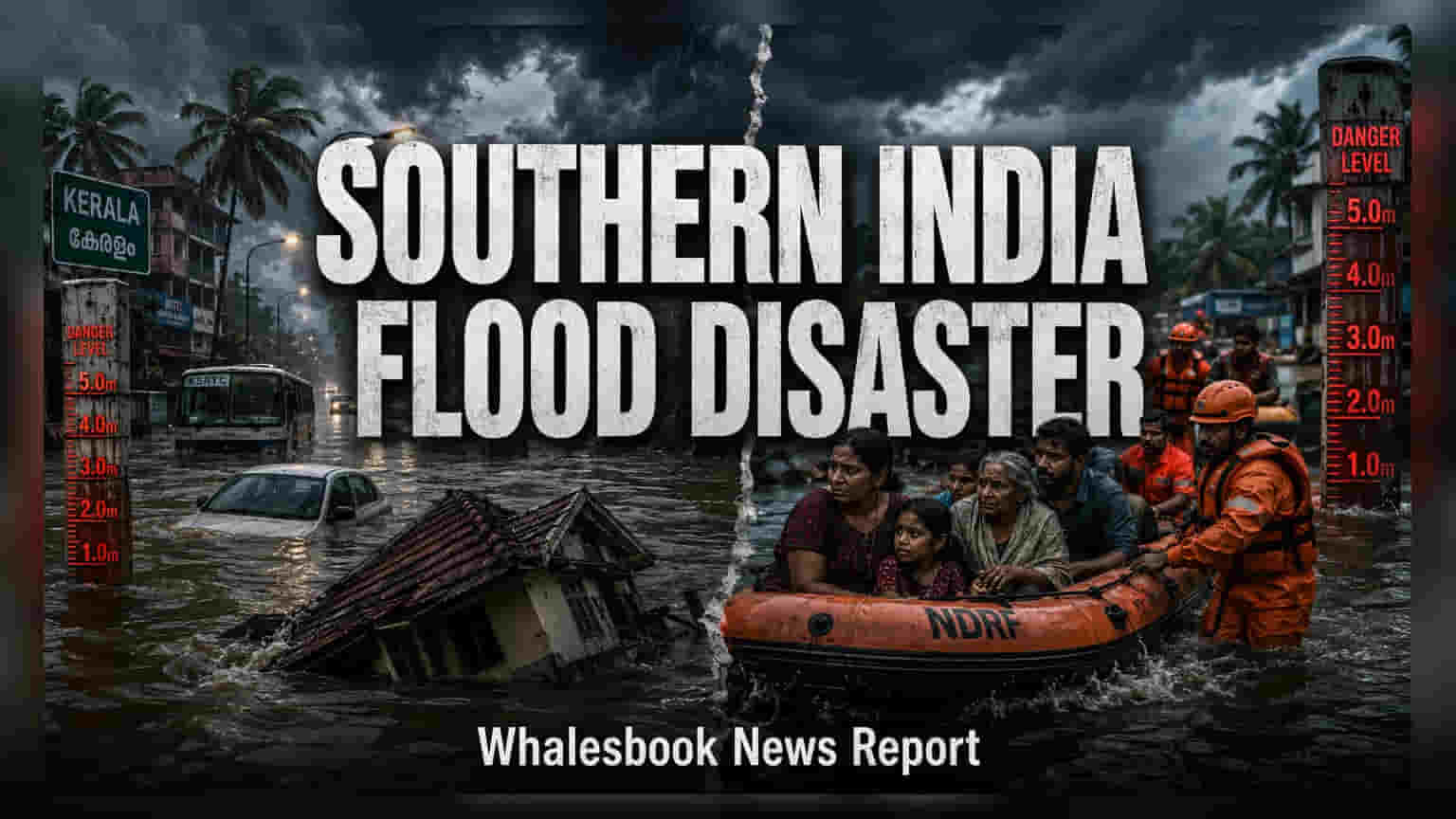
Heavy rainfall and flooding in Kerala and Karnataka have disrupted daily life, leading to the closure of schools and the postponement of teacher recruitment exams. Investors in logistics, infrastructure, and agriculture may track potential supply chain bottlenecks and localized economic impact in these regions.
Severe weather conditions across Southern India have caused significant disruption to economic and social activity. As of August 3, 2026, heavy rainfall and subsequent flooding in Kerala and parts of Karnataka have resulted in at least 14 fatalities, with thousands of residents forced into relief camps. The impact on infrastructure and local services has been immediate, with the Kerala state government ordering the closure of schools and postponing a significant state-level teacher recruitment examination to manage the ongoing crisis.
Impact on Regional Operations
The logistical landscape in the affected districts is currently under pressure. While disaster management teams are focused on rescue and relief, the flooding of low-lying areas and the landslide reported in northern Karnataka can disrupt supply chains. For businesses with operations or distribution networks in these areas, the ability to maintain normal service levels may be temporarily hindered. The Kerala State Disaster Management Authority continues to monitor weather patterns, with forecasts of continued moderate rainfall and strong winds, which could prolong the timeline for returning to normal operations.
Economic Context and Investor Monitorables
While the immediate priority remains humanitarian, the economic implications for investors center on potential disruptions to local commerce and infrastructure. Companies with a heavy operational footprint in Kerala and Karnataka—particularly in sectors such as retail, logistics, and plantation-based agriculture—may face temporary cost increases due to supply delays or damage to distribution assets. The postponement of government recruitment examinations and the diversion of state resources toward relief and rehabilitation efforts can also lead to a short-term cooling of local administrative and economic activity.
Investors may monitor the restoration of transport corridors and the progress of infrastructure repair works in the coming weeks. The ability of the state governments to manage the financial allocation for flood relief without impacting other planned capital spending projects will be a key factor. Furthermore, observers of the agricultural sector may look for reports on potential crop damage in the affected regions, which could influence local commodity prices. The long-term impact on the regional economy will depend on the duration of the weather-related pressure and the pace at which essential services and infrastructure are restored.