

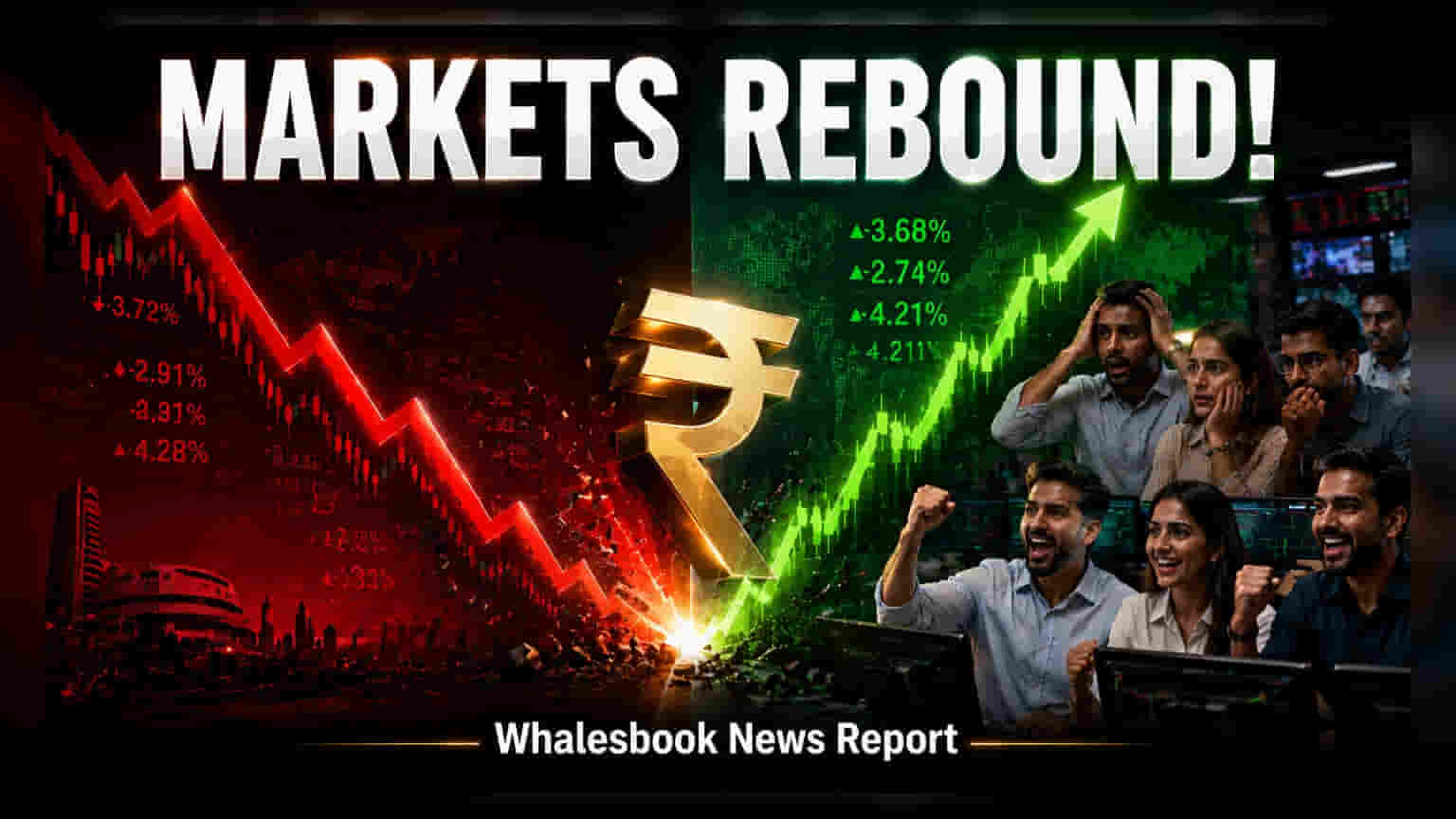
Indian equity markets rebounded on Wednesday, with the Sensex rising 553 points to 77,603 and the Nifty climbing to 24,198. This recovery follows a sharp decline on Tuesday driven by banking sector weakness and global inflation concerns. Investors are now tracking currency stability and energy prices amidst shifting monetary policy expectations.
Indian stock indices opened the session on a positive note on Wednesday, staging a recovery after experiencing a notable downturn during the previous trading day. The BSE Sensex recorded a gain of 553.37 points, reaching 77,603.57, while the NSE Nifty 50 advanced by 148.15 points to 24,198.40.
Market Recovery and Sectoral Trends
The rebound on Wednesday follows a Tuesday session where banking stocks faced significant selling pressure, dragging the indices down. Tuesday’s market movement was largely influenced by incoming inflation data from the United States, which shifted investor sentiment regarding potential interest rate decisions by the Federal Reserve. Within the Sensex, companies including Bajaj Finance, Axis Bank, and State Bank of India led the recovery. Conversely, IT sector names such as Infosys, Tata Consultancy Services, and Tech Mahindra remained under pressure during the morning trade.
Impact of Global Factors and Currency
Global market dynamics continue to influence local trends. While Asian markets exhibited a mixed performance—with the South Korean Kospi showing notable gains and the Japanese Nikkei and Hong Kong Hang Seng trading in the green—the Shanghai SSE Composite moved lower.
On the currency front, the Indian rupee appreciated by 5 paise to trade at 96.11 against the U.S. dollar, supported by a slight weakening in the dollar index, which stood at 100.81. Investors are monitoring these movements closely, especially as global oil benchmarks show signs of volatility. Brent crude prices increased by 0.78% to reach $85.39 per barrel, while WTI crude rose by 0.49% to $79.73. These energy price fluctuations are critical for India, as they directly affect import costs and domestic inflation outlooks.
Outlook for Investors
The market’s immediate direction will likely depend on how banking stocks maintain their recovery momentum and whether the current sentiment regarding U.S. monetary policy stabilizes. Investors will be observing upcoming data on oil price trends and any further shifts in foreign institutional flow, which often react quickly to changes in the dollar index and global geopolitical developments. The key for market participants will be to assess whether this rebound indicates a return to previous trends or if volatility remains high in the near term.