 Whalesbook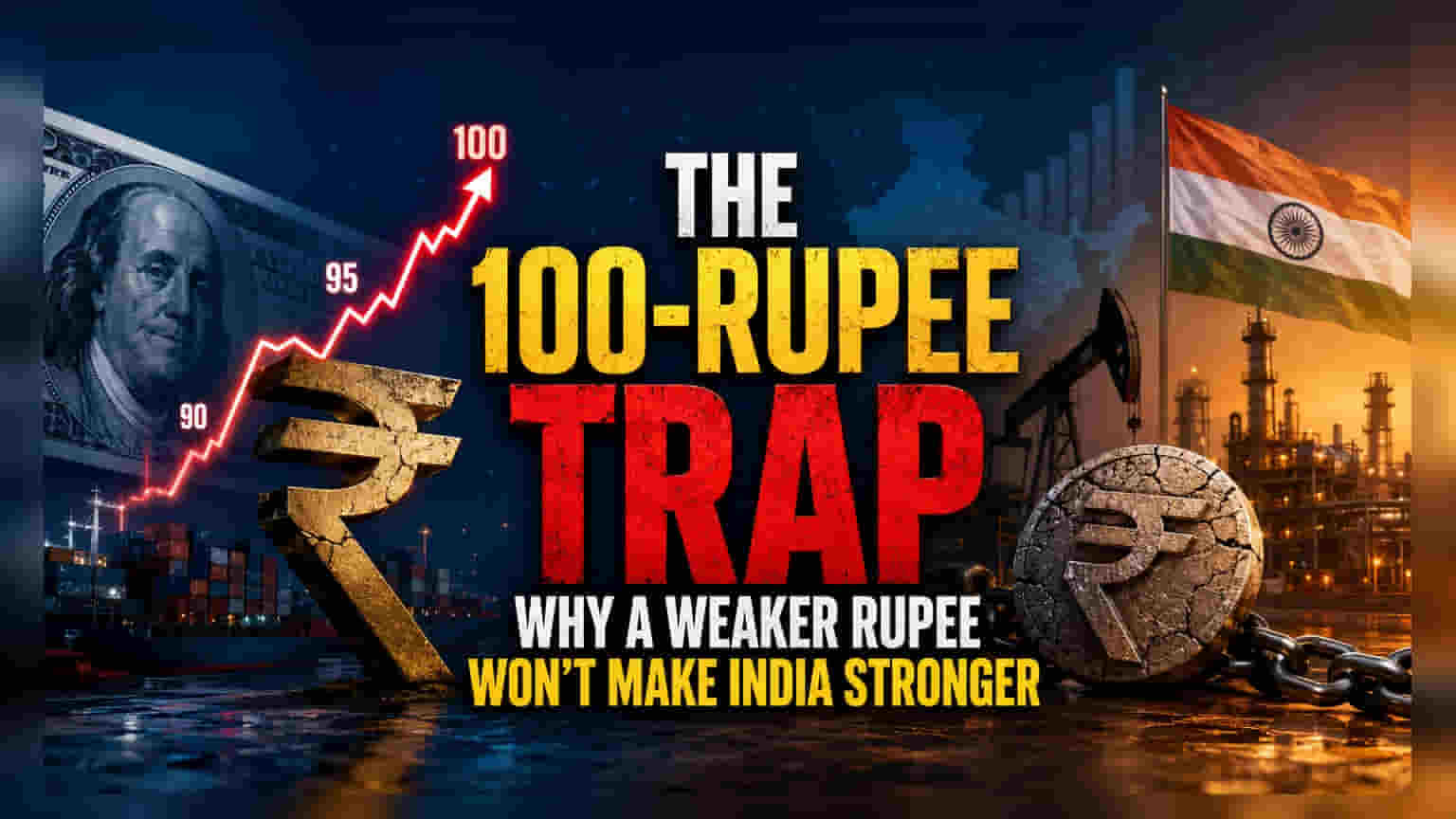


The Illusion of Competitive Devaluation
The slide of the Indian rupee toward the 100-mark against the U.S. dollar is frequently framed as a necessary correction to restore export competitiveness. However, this narrative ignores the structural reality of India’s import-heavy industrial base. In previous cycles, devaluation provided a temporary lift to bottom lines, but today’s manufacturing environment relies heavily on imported energy and capital goods, effectively creating a feedback loop where cheaper currency leads directly to higher production costs. Unlike the export-led booms seen in East Asian economies decades ago, India currently lacks the integrated supply chains that allow domestic manufacturers to capitalize on weak currency without sacrificing margins to dollar-denominated inputs.
Sectoral Divergence and Margin Compression
The assumption that a weaker currency serves all exporters equally is increasingly flawed. While service-oriented sectors such as information technology and pharmaceutical outsourcing can hedge against currency volatility due to their low import dependency, hard manufacturing faces a different reality. Companies in the electronics, chemical, and automotive sectors are witnessing margin compression as the cost of imported intermediates rises faster than they can adjust export pricing. The competitive advantage sought via a 98.00 or 100.00 exchange rate is frequently wiped out by the increased cost of energy, which remains a persistent burden given that crude oil prices have seen an accelerated annual increase of 11% over the last decade.
The Forensic Bear Case: Structural Risks
Investors should remain cautious regarding the impact of sustained currency depreciation on domestic price stability. When the landed cost of raw materials surges by one-third due to a weakened rupee, the inflationary pressure often forces the Reserve Bank of India into a restrictive monetary policy stance, which in turn hampers private capital expenditure. Furthermore, the persistent exit of foreign portfolio investors suggests a lack of confidence in the underlying current account stability. The risk of 'imported inflation' is not merely theoretical; it acts as a tax on domestic consumption, which remains the primary engine of India's growth. If currency volatility continues to erode purchasing power, the very sectors expected to lead the 'Make in India' expansion may face reduced domestic demand, leaving them with overcapacity and diminished pricing power.
Outlook and Strategic Positioning
Market participants are shifting focus away from currency-based tailwinds toward companies with high domestic value-add and low foreign currency liability. The consensus among institutional analysts favors entities exposed to domestic infrastructure and defensive growth themes—such as defense, mining, and power—where revenue streams are insulated from global currency fluctuations. Moving forward, sustained competitive advantage will likely be found in operational efficiency and indigenous technology adoption rather than the fleeting benefit of a depreciating exchange rate.