

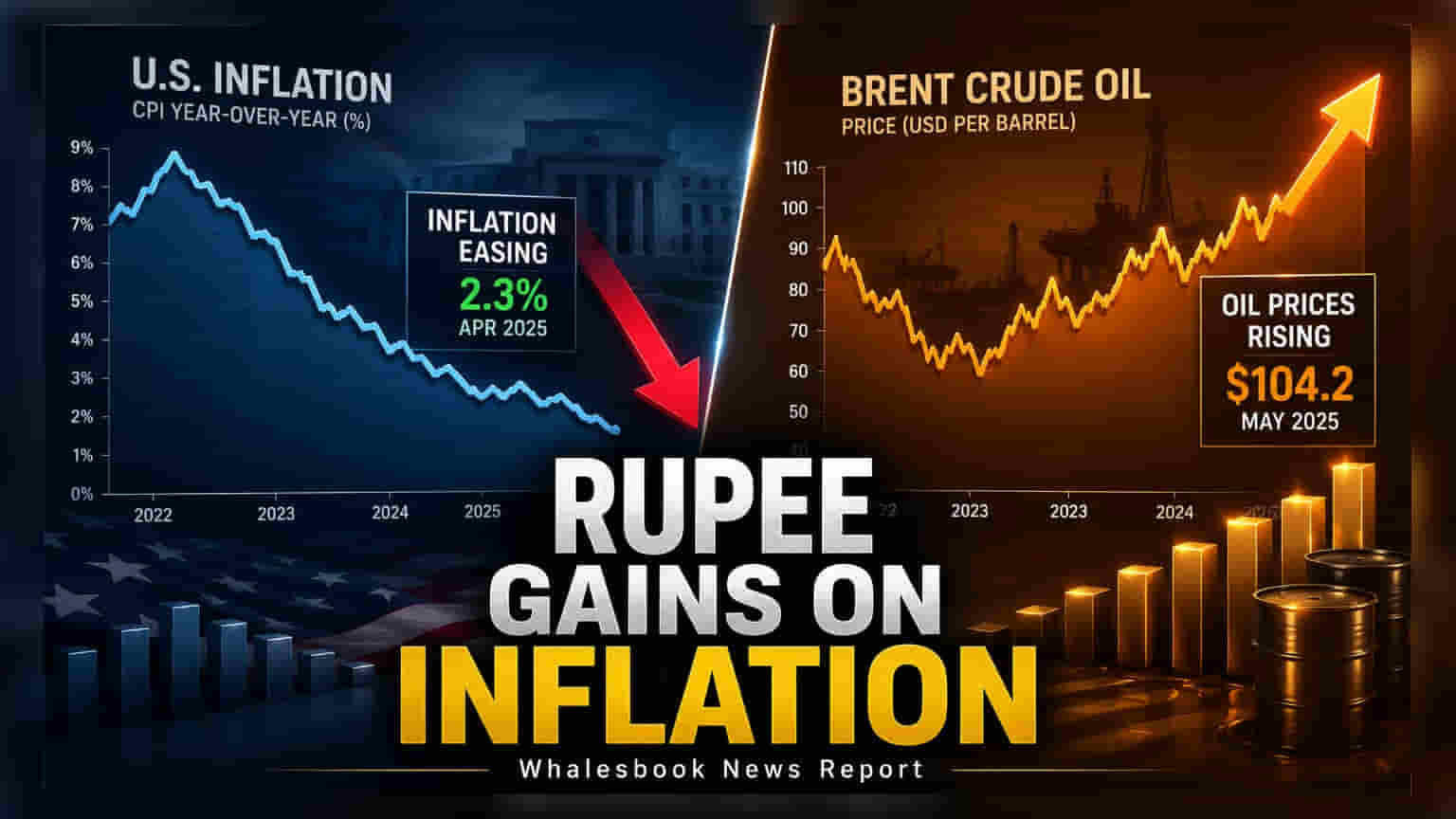
The Indian rupee opened three paise higher at 96.17 against the US dollar on July 15 as cooling US inflation eased concerns over further Federal Reserve rate hikes. While the currency found support from these global trends, investors are monitoring rising Brent crude oil prices, which remain a key risk for the domestic currency due to India’s reliance on oil imports.
The Indian rupee began the trading session on July 15 with a modest gain, opening at 96.17 against the US dollar. This small appreciation follows recent economic data from the United States, where consumer price inflation cooled to 3.5 percent in June from 4.2 percent in the previous month. Core inflation also showed signs of softening, moving down to 2.6 percent from 2.9 percent.
Impact of US Economic Data on Currency Markets
This cooling inflation trend has directly influenced global financial expectations regarding the US Federal Reserve's interest rate policy. With inflation decelerating, the market has lowered its expectations for an immediate rate hike. The probability of a rate increase in July, as measured by market pricing, has fallen significantly from 40 percent to 12 percent. Reduced expectations for higher US interest rates typically weaken the dollar, offering some relief to emerging market currencies like the Indian rupee.
Crude Oil Prices and Domestic Pressure
Despite the positive signals from the US, the rupee faces ongoing pressure from the energy sector. Brent crude oil prices are currently hovering near $86 per barrel. This increase is largely attributed to heightened geopolitical tensions involving the US and Iran. For the Indian economy, higher crude oil prices are a significant factor because they increase the country's import bill. Since Indian oil marketing companies must purchase dollars to pay for these imports, a sustained rise in oil prices often leads to increased demand for the dollar, which can limit the rupee's ability to gain strength.
Technical Resistance Levels
Market observers are closely watching the currency's performance relative to its technical resistance. According to insights from CR Forex Advisors, the rupee has recently moved past the 95.80 to 96.00 range. Whether the currency can maintain its position above this level will be a key factor in determining if it can see further appreciation in the near term.
Investors and market participants will likely continue to track two primary factors: the trajectory of Brent crude prices and any further commentary from the US Federal Reserve regarding its path for interest rates. Any unexpected shift in geopolitical stability or a sudden change in global inflation trends could quickly alter the current pressure on the currency.