 Whalesbook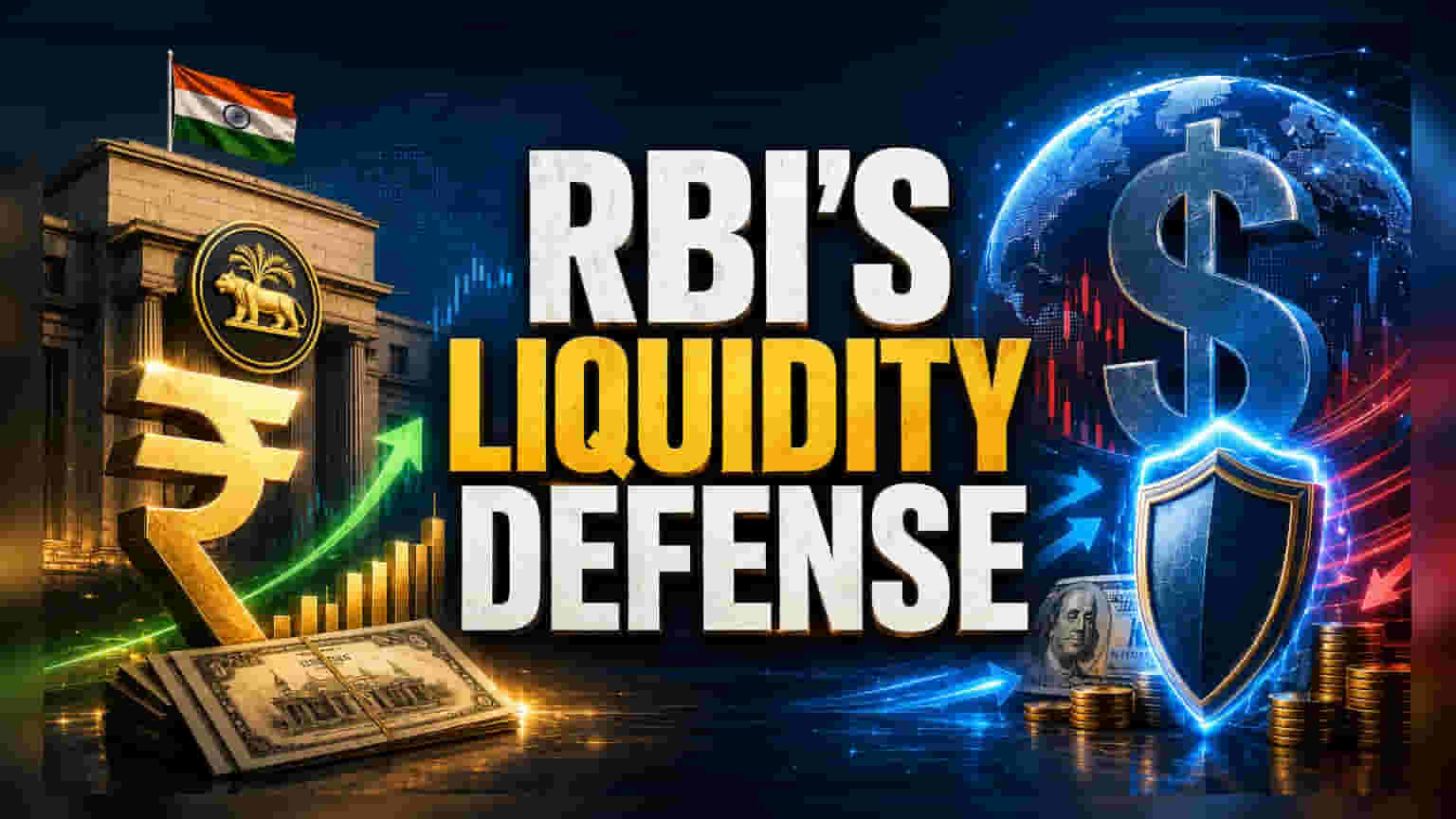


The Liquidity Defense
The central bank's latest policy shift is a reactive maneuver to the relentless capital flight that has drained $13.7 billion from Indian markets since the start of April 2026. By broadening the Fully Accessible Route to incorporate long-term government debt—specifically the 15, 30, and 40-year tranches—policymakers are attempting to anchor long-term foreign interest in a domestic market currently suffering from high volatility. This structural pivot seeks to lock in institutional capital, effectively prioritizing duration over speculative hot money.
The Deregulation Catalyst
Moving beyond debt, the removal of concentration limits and security-specific caps for Foreign Portfolio Investors signals a departure from previous protectionist stances. Removing the Securities and Exchange Board of India registration requirement for non-resident individuals transforms the entry path for retail-oriented foreign capital. When compared to regional peers like Indonesia or Vietnam, which have historically maintained tighter bureaucratic controls, this move aligns India more closely with the open-access models of larger emerging markets. However, the efficacy of these measures hinges on whether the current interest rate spread remains attractive enough to justify the currency risk inherent in holding emerging market assets.
The Structural Vulnerabilities
The push for concessional forex swaps and the restoration of the nine-month repatriation window for export proceeds suggests underlying strain within the banking sector’s liquidity profile. While the temporary incentives for External Commercial Borrowings provide a short-term cushion for public sector entities, they do not address the systemic need for sustained corporate earnings growth. The heavy reliance on offshore liquidity creates a feedback loop; should global central banks maintain a hawkish stance for longer, the cost of servicing these dollar-denominated borrowings could accelerate margin compression for Indian exporters. Furthermore, past periods of rapid liberalization have occasionally preceded volatility spikes, as the removal of concentration limits can lead to herd behavior among institutional investors during periods of global market stress.
Forward Trajectory and Macro Outlook
Market participants are now closely monitoring the intersection of these policy changes and the ongoing trade negotiations with the European Union. While the current agreement pipeline with EFTA and Oman provides a fundamental tailwind for export-led growth, the immediate pressure remains on the Balance of Payments. Brokerage consensus remains divided on whether these measures are sufficient to offset the ongoing structural exit of liquidity, or if further rate adjustments will be required to maintain parity with international bond yields.