

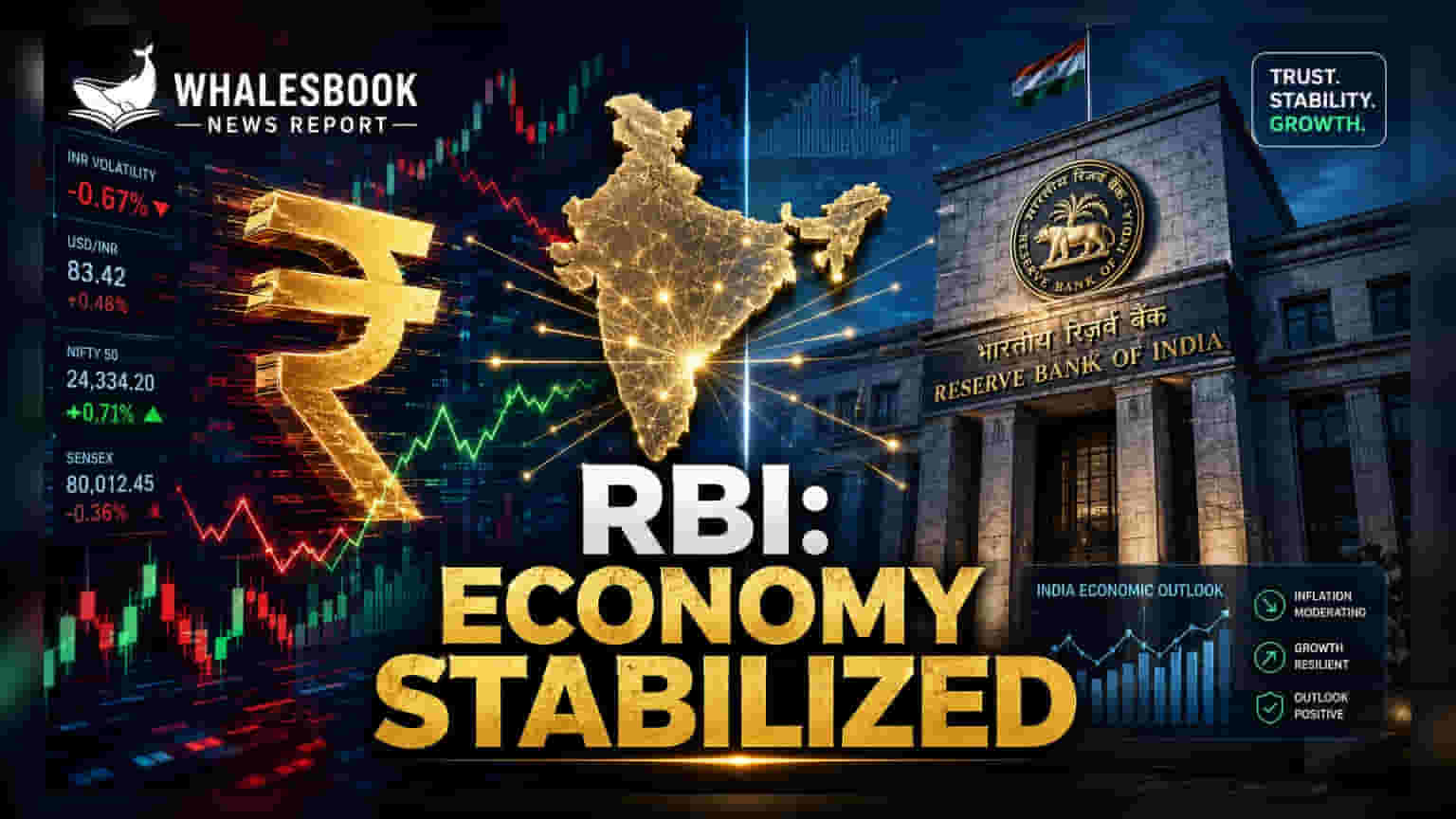
The Reserve Bank of India has announced a record surplus transfer of ₹2.87 lakh crore to the government for FY27. This follows a year of active liquidity support and record forex interventions aimed at stabilizing the economy against global volatility. The central bank's total balance sheet reached ₹92 lakh crore as it navigated export pressures and currency fluctuations.
The Reserve Bank of India (RBI) played a pivotal role in maintaining domestic economic stability during a challenging FY26. Amid global market volatility and trade pressures, the central bank’s balance sheet expanded significantly, reaching ₹92 lakh crore. This growth of ₹15.7 lakh crore supported a record surplus transfer of ₹2.87 lakh crore to the government for the current fiscal year, providing critical fiscal space.
Liquidity Support and Market Intervention
Throughout the fiscal year, the RBI focused on managing liquidity constraints within the banking sector. As banks faced a widening gap between credit growth and deposit mobilization, many institutions relied heavily on bulk deposits and certificates of deposit. To ease these pressures, the central bank conducted open market operations, purchasing ₹7.10 lakh crore in government securities—the highest such intervention in five years. Additionally, short-term liquidity was provided through variable repo rate operations to ensure that credit flow to the broader economy remained consistent.
Forex Management and Currency Trends
Currency stability was a key area of focus as the Indian rupee faced significant pressure, depreciating by nearly 10% during the year. To curb excessive volatility, the RBI intervened heavily in the foreign exchange market, selling $4.43 lakh crore in foreign currency. This action surpassed the previous record of ₹3.39 lakh crore set in FY24. By utilizing both spot and forwards markets, the RBI successfully kept forex reserves at levels capable of providing double-digit import cover. By March 2026, outstanding forwards positions held by the central bank had exceeded $100 billion.
Cash Usage and Digital Payments
Interestingly, the demand for physical cash remains resilient. Despite the ongoing rise in digital payment adoption, currency in circulation increased by ₹4.43 lakh crore, marking the highest growth in five years. This trend suggests that a precautionary motive persists among the public, alongside continued demand for cash in sectors such as real estate and gold transactions. Investors and analysts often monitor these trends to understand shifting consumer behavior and the potential impact of digital fraud concerns on payment preferences.
Going forward, the primary monitorables for the economy include the sustainability of these reserve levels and the effectiveness of liquidity management in balancing credit growth. The government’s utilization of the surplus transfer will be an important factor in managing fiscal health, while the RBI’s continued oversight of the currency and banking liquidity will remain essential to navigating potential future global economic headwinds.