

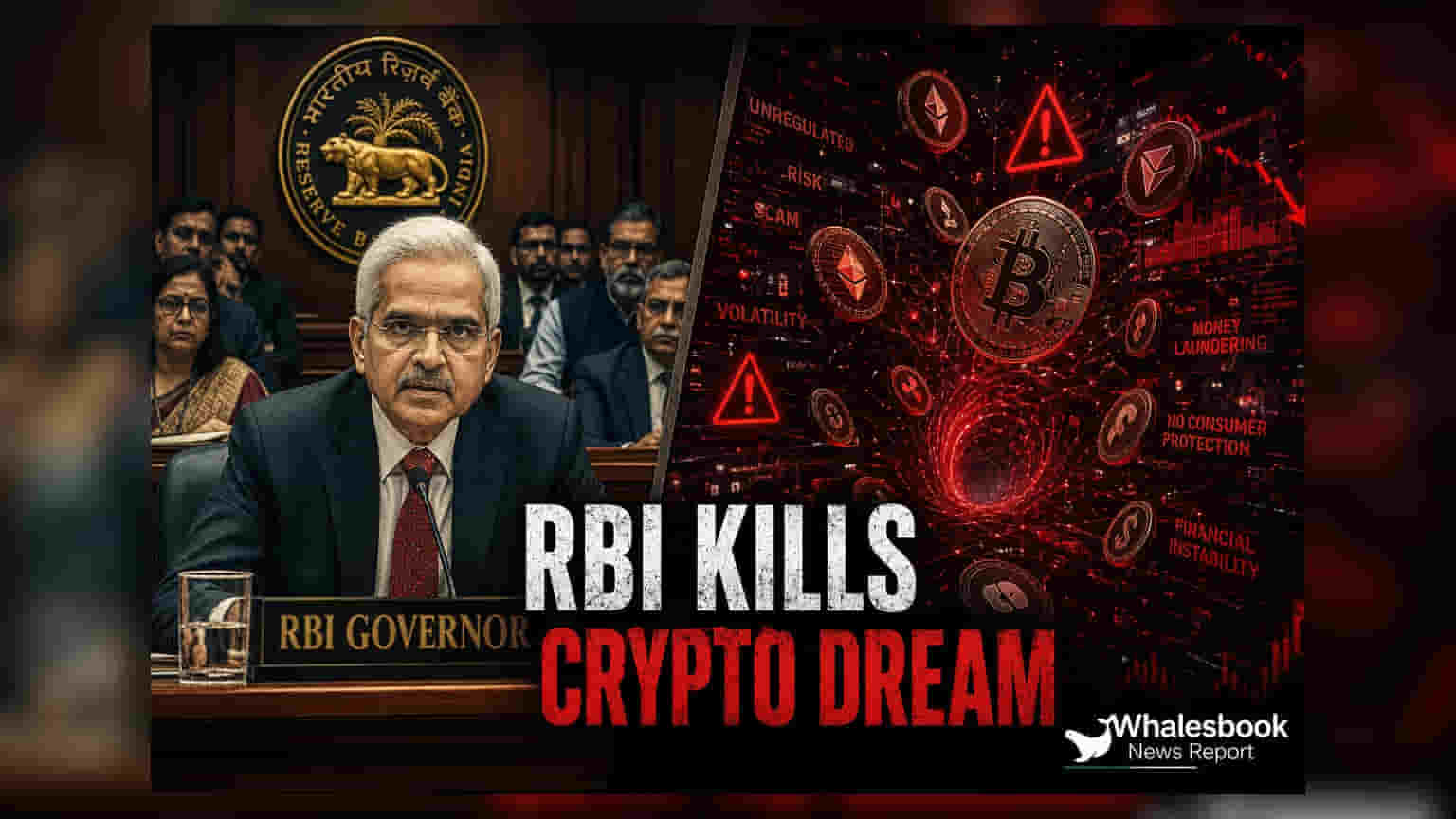
The Reserve Bank of India has advised a parliamentary panel against legalizing cryptocurrencies, citing risks to the domestic economy. The central bank highlighted concerns over money laundering and terror financing. Investors should note this signals a continued cautious stance on virtual assets in India.
What Happened
The Reserve Bank of India (RBI) has officially communicated its opposition to the legalization of cryptocurrencies during a recent meeting with the Parliamentary Standing Committee on Finance. The central bank emphasized that virtual digital assets pose a systemic threat to emerging economies, including India. RBI officials argued that these assets should not be granted legal status, citing their potential to facilitate illegal activities such as money laundering, narcotics smuggling, and terror funding. The central bank remains concerned that the decentralized and often anonymous nature of these assets makes them difficult to monitor within the existing financial system.
Regulatory Challenges and Global Perspective
A major part of the RBI's argument centers on the difficulty of regulating offshore entities that operate cryptocurrency exchanges and trading platforms. Because these entities often operate outside Indian jurisdiction, the RBI warned that domestic regulators struggle to ensure compliance with anti-money laundering and know-your-customer norms. The central bank pointed to varied international responses to contrast these risks, noting that countries like China and Qatar have opted for bans, while regions like Europe have chosen to implement strict regulatory frameworks for virtual assets.
ICAI Proposes Legal Framework
In contrast to the central bank's stance, representatives from the Institute of Chartered Accountants of India (ICAI) suggested that a comprehensive legal framework for virtual digital assets would be more effective. The ICAI expressed willingness to assist the government in developing a principle-based approach to governance. Their proposal includes creating guidance for financial reporting and auditing, which they argue would improve transparency and compliance for stakeholders. The institute noted it could contribute research into the economic characteristics of various digital asset forms to help standardize how they are treated in financial statements.
What Investors Should Track
For investors and market participants, the divergence between the RBI's cautionary approach and the call for a regulatory framework by bodies like the ICAI remains a key monitorable. The primary focus for future updates will be the Parliamentary Standing Committee's recommendations based on these testimonies. Investors should watch for any legislative developments or changes in government policy regarding virtual digital assets, as these will directly influence the legality and operational environment for crypto-related services in India. Additionally, any new guidelines from the finance ministry or regulatory clarifications will be critical in determining how businesses and individual investors can hold or trade such assets in the future.