 Whalesbook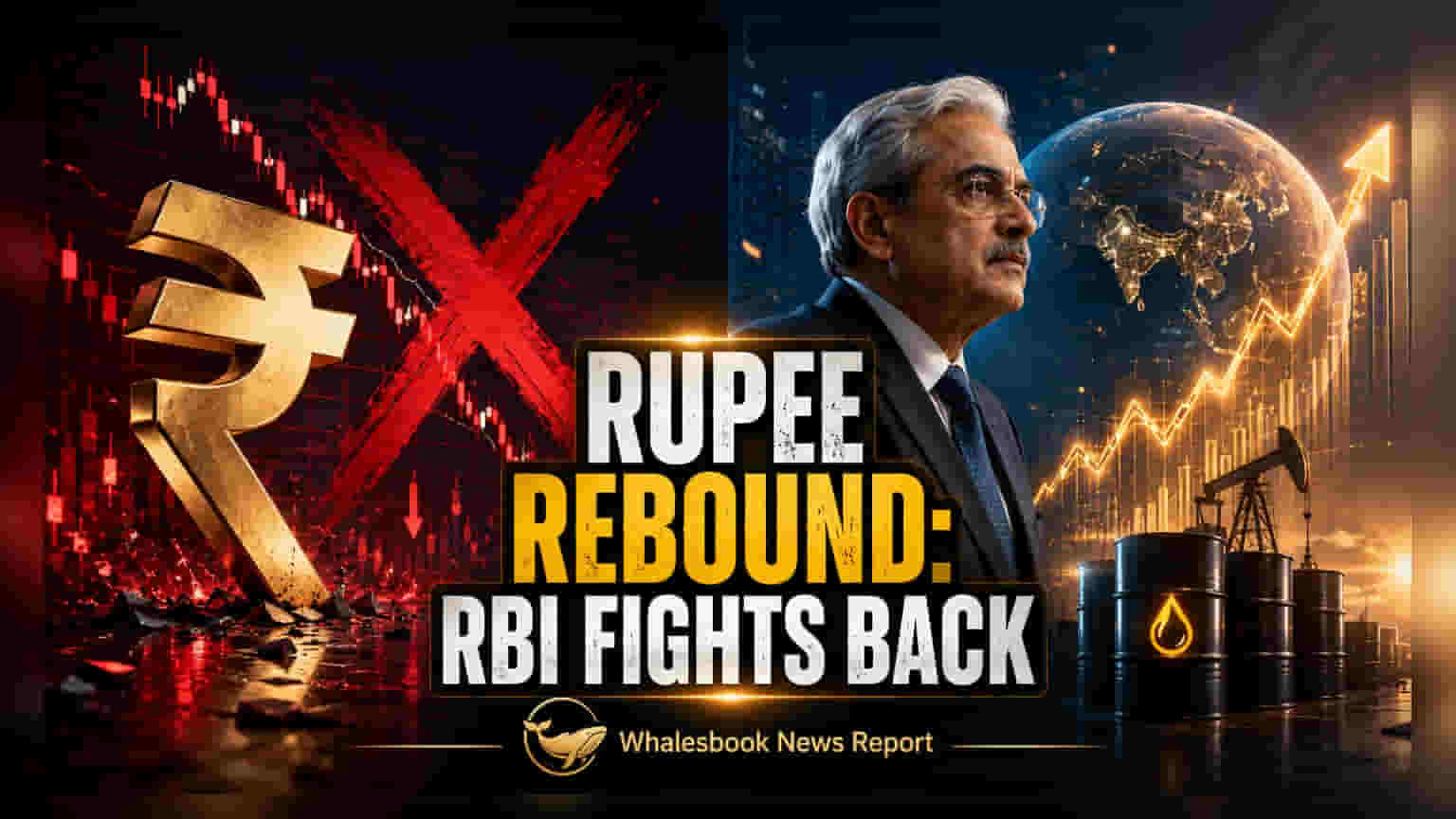


RBI Actively Defends the Rupee
The Indian rupee saw a significant rebound, closing 0.6% higher at 96.20 against the US dollar. This gain marked the largest single-day increase in two weeks, stopping a continuous slide. The Reserve Bank of India entered the market, selling dollars through state-run banks early in the trading session to slow the rupee's rapid fall. Observers noted a more forceful intervention, showing the central bank's concern over the rupee's drop to record lows.
Global Pressures Impact Asian Currencies
Despite the RBI's actions, global economic conditions are creating challenges. Asian currencies generally weakened, influenced by Brent crude oil prices holding above $100 per barrel. These high oil prices, up over 50%, are tied to increasing geopolitical risks from discussions involving the U.S. and Iran. Statements from U.S. President Donald Trump regarding potential negotiations with Tehran add uncertainty. Analysts suggest a diplomatic success could boost emerging market currencies, while a failure might strengthen the U.S. dollar.
India's Economy and Currency Stability
The RBI's intervention underscores its commitment to currency stability, which is vital for India's economy, a large importer of goods. However, the success of this defense depends on global commodity prices and reduced geopolitical tensions. Other emerging market currencies are also under pressure from similar global issues, with the impact varying by country's economic strength and trade situation. For example, India's heavy reliance on oil imports differs from energy-exporting nations facing rising oil prices. The current global climate is leading to a risk-averse market sentiment, typically favoring developed market currencies over emerging ones.
Outlook and Lingering Risks
The rupee's immediate future remains uncertain due to the ongoing threat of high oil prices and unresolved geopolitical issues. If crude prices stay high, India's current account deficit could widen, putting more pressure on the rupee and possibly requiring further central bank action. If diplomatic efforts do not succeed, a stronger U.S. dollar could worsen the downward pressure on the rupee. The effectiveness of the RBI's current strategy will be closely watched as these external factors continue to influence markets. Sentiment among analysts indicates that while the RBI's moves offer short-term relief, the rupee's long-term trend will depend on India's economic fundamentals and global risks.