

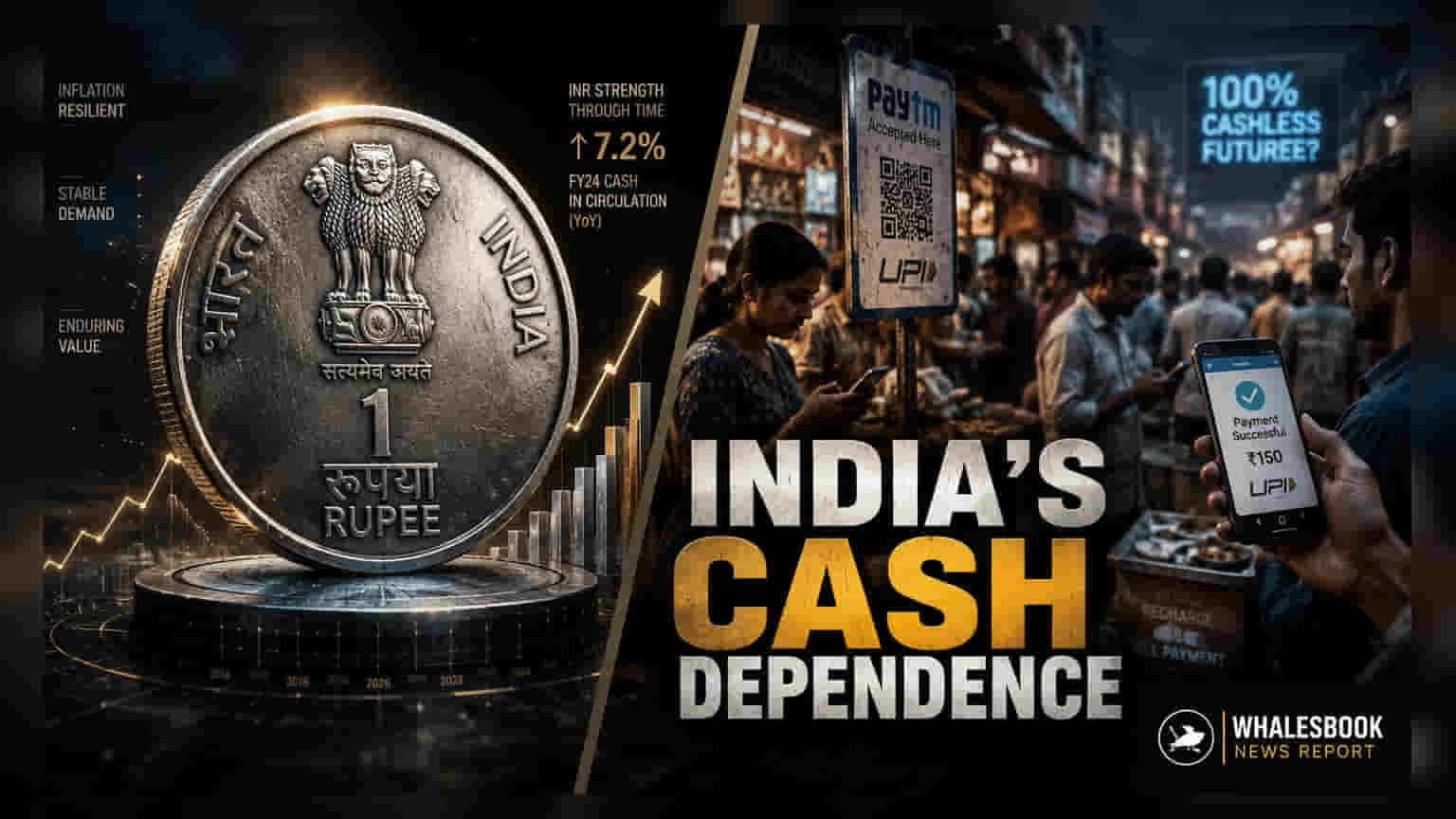
Despite the massive growth of digital payments, one rupee coins continue to account for nearly 40% of all coins in circulation in India. This reliance reflects ongoing challenges in digital infrastructure and the continued importance of cash for millions of small-scale daily transactions.
The Reserve Bank of India’s latest data highlights a surprising reality for the nation's rapidly digitizing economy: the one rupee coin remains a cornerstone of daily financial life. Despite the widespread success of digital payment systems like UPI, this specific denomination represents nearly two-fifths of all coins circulating in the Indian market today.
Why Cash Persists in a Digital Age
While many developed nations have moved to retire low-value currency because the cost to mint the coin often exceeds its actual value, India’s situation remains distinct. The high circulation of one rupee coins is driven by the practical demands of the informal economy, where small, exact-change transactions remain frequent. Furthermore, large segments of the population still face hurdles such as limited internet connectivity, lack of access to affordable smartphones, and varying levels of digital financial literacy. For these individuals, physical cash is not just a preference but a necessary tool for economic participation.
Economic Trade-offs and Future Challenges
Maintaining a large volume of physical currency involves ongoing expenses for the government and the banking system related to minting, secure transportation, and storage. These costs contrast with the digital payment ecosystem, which offers higher transparency and lower transaction-handling costs. However, cash also provides a form of financial resilience, functioning reliably even during network outages or technical glitches that can occasionally affect digital platforms.
For investors and policymakers, the persistent demand for small-denomination coins signals that while digital transformation is moving quickly, it has not yet reached full saturation across all sectors and demographics. The path toward a more cashless economy will likely depend on the success of infrastructure projects aimed at expanding internet access to rural areas and improving the affordability of digital devices. The primary monitorable for the economy remains the speed at which these structural barriers are addressed, as a premature withdrawal of physical currency could disrupt the livelihoods of those who currently rely on it for their daily trade.