 Whalesbook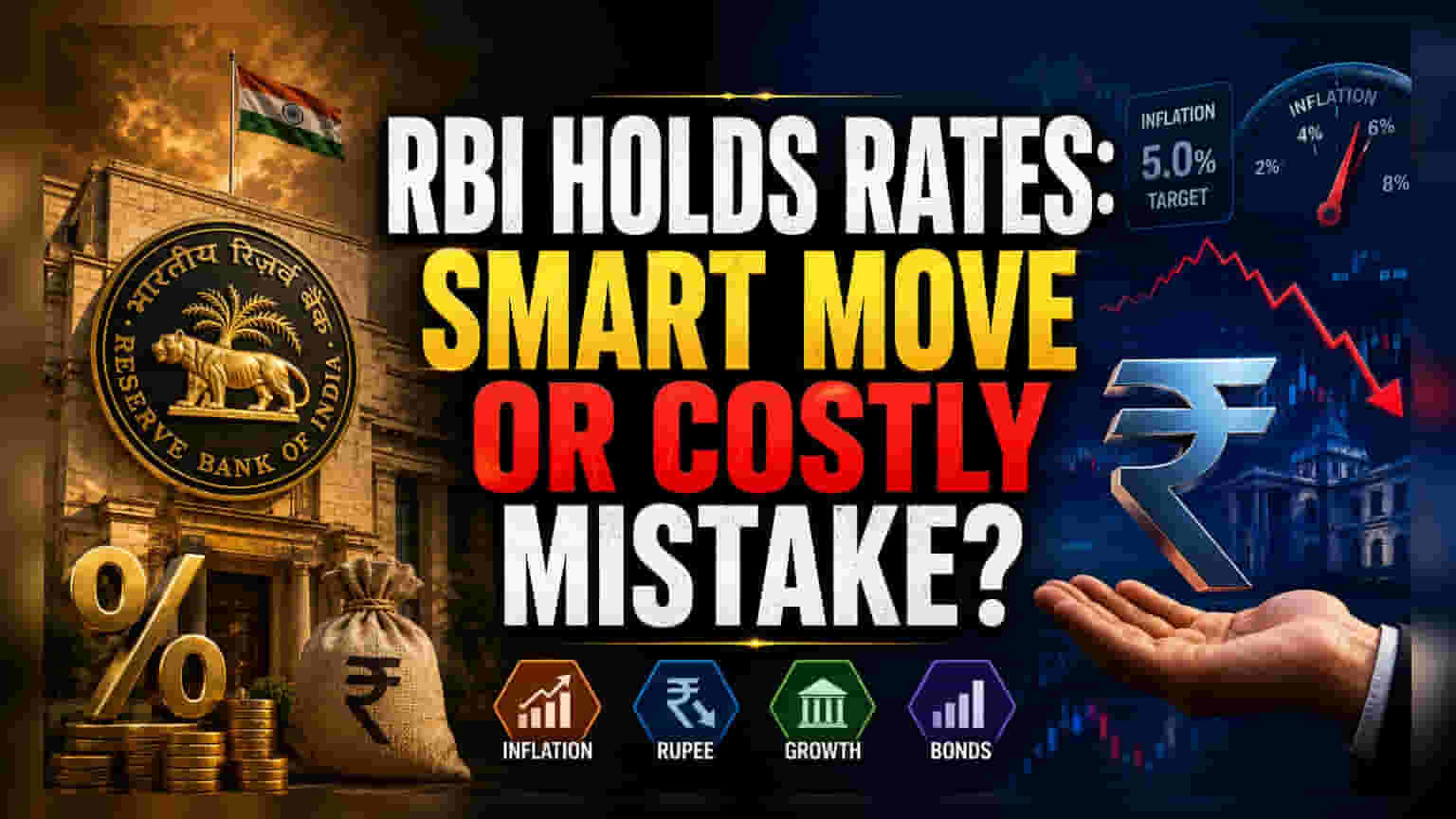


The Illusion of Equilibrium
The prevailing consensus surrounding the Reserve Bank of India’s upcoming policy review centers on inertia. By maintaining the repo rate, the Monetary Policy Committee (MPC) aims to sustain the current credit cycle, operating under the assumption that existing inflationary trends are manageable within the established tolerance band. However, this focus on the status quo overlooks the subtle erosion of real interest rates. As inflation expectations adjust upward toward the 5% threshold, the failure to adjust nominal rates effectively constitutes a loosening of financial conditions that the current economic environment may not justify.
The Real-Yield Challenge
Comparative analysis with emerging market peers reveals a stark contrast. While regional competitors have adopted a more defensive posture to protect local currencies, the RBI remains wedded to a growth-at-all-costs mandate. This divergence creates a significant carry-trade risk. If the U.S. Federal Reserve maintains its high-for-longer trajectory, the interest rate differential between India and developed markets will continue to compress, placing consistent downward pressure on the rupee. Investors are already pricing in this liquidity risk, evidenced by the volatility in sovereign bond yields over the last two fiscal quarters. By choosing to hold, the committee is essentially betting that domestic growth resilience will outweigh the external cost of imported inflation.
The Structural Bear Case: Misaligned Priorities
A critical risk factor for the central bank is the potential for cost-push inflation to become entrenched. Unlike demand-pull inflation, which responds predictably to credit tightening, cost-push pressures arising from supply chain bottlenecks or energy price volatility are immune to standard repo rate adjustments. If the MPC maintains its current stance while supply-side shocks intensify, it risks falling into a trap of stagflationary pressure. Furthermore, past transparency issues regarding the committee’s internal forecasting methodology have left market participants skeptical of their inflation projections. If realized inflation significantly overshoots the 5% target, the credibility cost of an 'inactive' policy will be far higher than the short-term impact of a modest, proactive rate hike.
Strategic Divergence
Forward guidance will be the true differentiator in this meeting. Rather than a binary decision on rates, the focus is shifting to the language surrounding liquidity management. A move toward more restrictive messaging—even without a nominal rate hike—would serve as a tactical signal to credit markets that the era of inexpensive liquidity is fading. Market participants are bracing for the committee to attempt a delicate balance: cooling inflationary expectations through rhetoric while simultaneously shielding capital expenditure-intensive sectors from immediate borrowing cost spikes.