

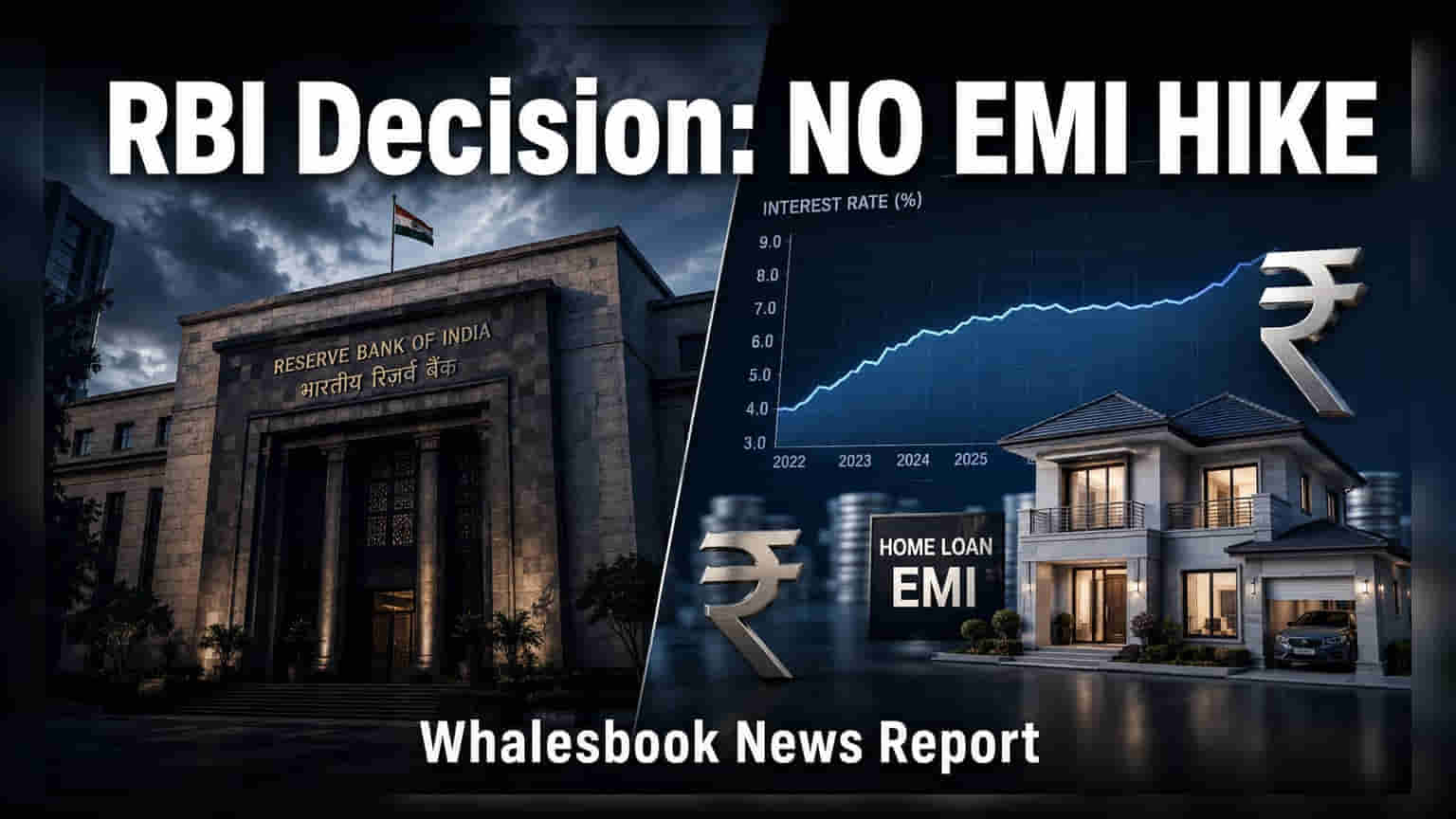
The Reserve Bank of India is widely expected to hold the repo rate at 5.25% in its upcoming policy decision on August 5. With June retail inflation at 4.38% breaching the 4% target, borrowers should not anticipate immediate EMI relief. Investors are watching for the Governor's commentary, as banking and realty stocks face selling pressure ahead of the announcement.
The Reserve Bank of India’s (RBI) Monetary Policy Committee is set to announce its interest rate decision on August 5, 2026. Market expectations suggest that the central bank, led by Governor Sanjay Malhotra, will likely maintain the repo rate at 5.25% for the fourth consecutive time. For the average borrower and investor, this decision is significant because the repo rate serves as the benchmark that banks use to price their loans.
Inflation Concerns and Market Reaction
The anticipation of a "no change" decision stems primarily from recent inflation data. Retail inflation reached 4.38% in June, which has crossed the central bank's comfort zone of 4%. This rise is the main reason experts believe the RBI will refrain from cutting rates. A rate cut typically encourages borrowing and spending, which can further drive up prices. By keeping rates steady, the central bank is prioritizing price stability over immediate economic stimulus.
The stock market has already started adjusting to these expectations. Key sectors sensitive to interest rates, such as banking and real estate, have experienced selling pressure in the lead-up to the announcement. Investors are concerned that keeping interest rates high for a longer period could slow down credit growth for banks and dampen demand for new homes. When borrowing costs remain high, potential homebuyers are more likely to delay their purchase decisions, which can impact the sales volume and revenue growth for real estate developers.
Impact on Home Loan Borrowers
For those with existing home loans, a steady repo rate generally implies that their Equated Monthly Installments (EMIs) will not see immediate relief. Most floating-rate home loans today are linked to an external benchmark, which moves in sync with the RBI’s repo rate. When the central bank pauses rate hikes or cuts, banks usually keep their lending rates stable.
However, borrowers should understand that their interest costs are not determined solely by the RBI. Banks also consider their own cost of funds—which is how much they have to pay to depositors—and their liquidity position. If banks face pressure to mobilize deposits or if they choose to protect their profit margins, they may independently revise the "spread" or the margin they charge over the repo rate. This means that even if the repo rate remains unchanged, some banks could technically alter their lending rates based on internal business decisions.
Investors and borrowers should look beyond just the rate decision and pay close attention to the Governor’s post-policy commentary. The central bank's view on future risks, such as geopolitical tensions in West Asia and global supply chain stability, will be crucial. These comments will provide the market with clues on whether rate cuts might be considered later in the year or if the current interest rate regime is expected to continue for a longer duration.