

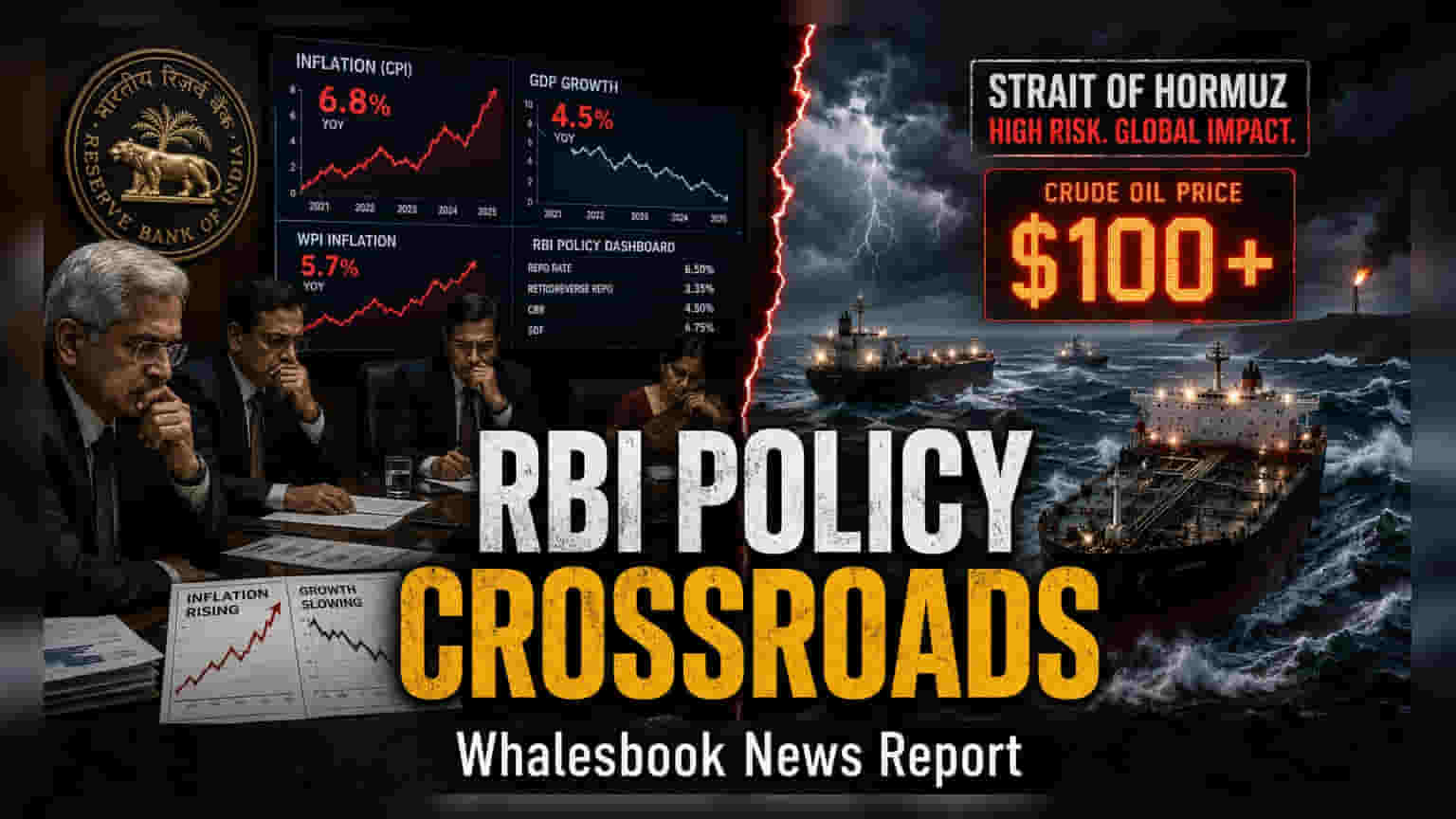
The Reserve Bank of India’s policy committee meets on August 5, 2026, amid rising crude oil prices and inflation breaching the 4% target. With WPI inflation exceeding 9% and slowing economic growth, the central bank faces a difficult choice between cooling prices and supporting domestic expansion.
The Reserve Bank of India’s Monetary Policy Committee is scheduled to deliver its next interest rate decision on August 5, 2026. This meeting comes at a challenging time for the Indian economy, as policymakers grapple with the impact of global supply chain disruptions and domestic price pressures.
Global Conflict and Oil Price Impact
Escalating tensions in the Middle East, specifically near the Strait of Hormuz, have caused Brent crude oil prices to climb above $100 per barrel. For India, a net importer of oil, this surge creates immediate pressure on the current account and domestic fuel costs. Higher fuel prices often lead to a ripple effect, increasing transportation and logistics expenses for almost all sectors, which can eventually lead to higher costs for consumers.
Inflation and Growth Dynamics
Recent data shows headline CPI inflation climbed above the 4% target in June 2026. Official forecasts suggest this upward trend may continue, potentially challenging the upper tolerance limit of 6%. Simultaneously, the economy is experiencing a moderation in growth, with nominal GDP estimates softening compared to previous years. The WPI, or wholesale price index, has crossed 9% as of June, indicating that raw material and producer costs are rising. Historically, there has been a high correlation between wholesale prices and retail food inflation, suggesting that these cost pressures may not remain limited to the producer level for long.
The Policy Dilemma
Moving forward, the MPC must balance multiple conflicting goals. While higher interest rates are a traditional tool to combat rising inflation, they also increase the cost of borrowing for companies and individuals, which can further slow down economic growth. Investors are observing the situation closely, as the central bank’s decision will influence the cost of credit for both retail borrowers and corporations.
Market expectations are leaning toward a potential 25-basis point hike in the repo rate. A rate hike typically aims to anchor inflation expectations, but it also places pressure on companies with high debt loads, as their interest payment obligations could rise. Investors may track the tone of the RBI’s commentary regarding future growth projections and the expected duration of these supply-side shocks. The committee’s outlook on how long inflation will remain elevated will be a critical factor for the equity and bond markets in the coming months.