 Whalesbook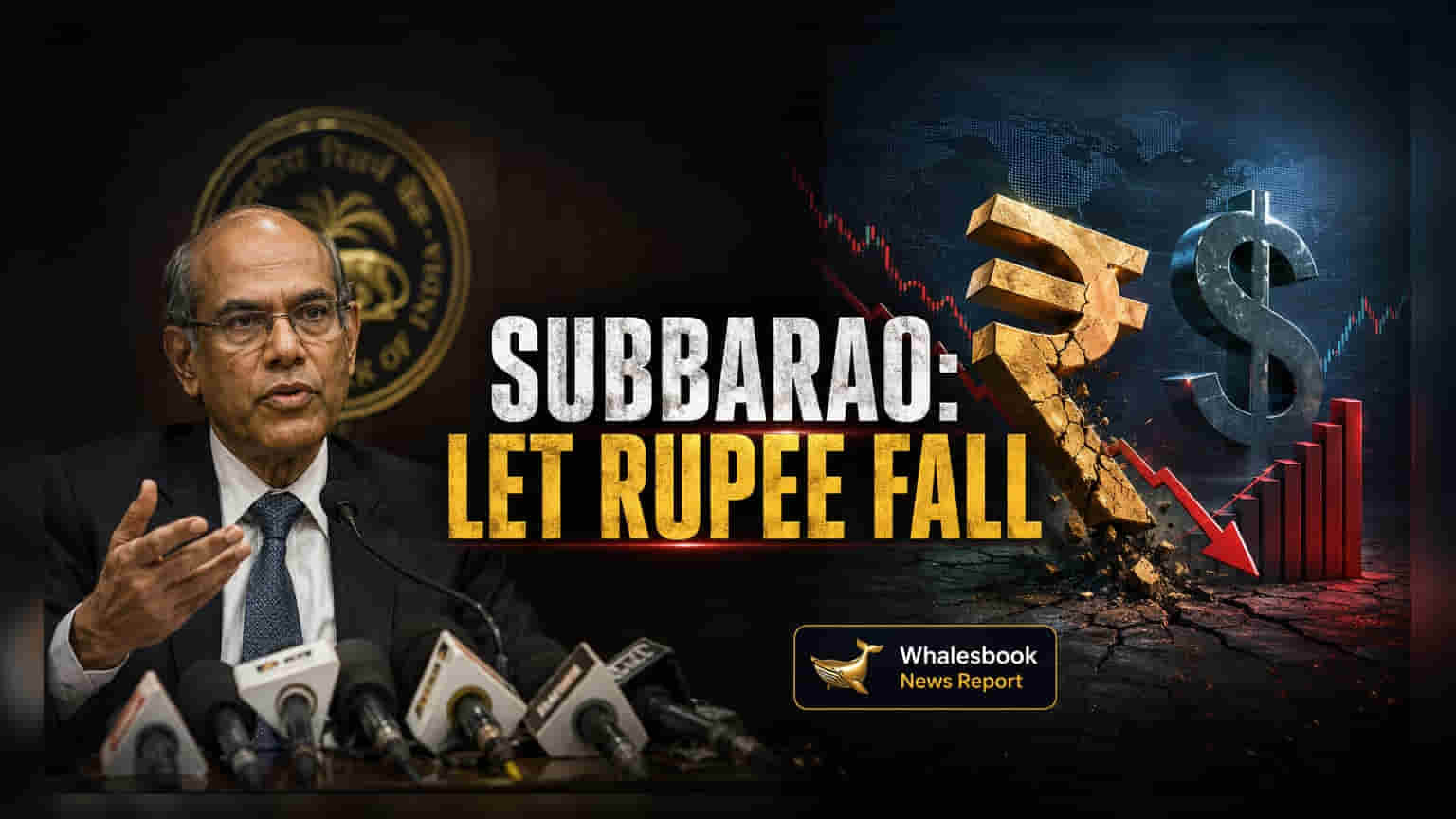


The Shift in Monetary Strategy
The central bank now faces a critical juncture where conventional defenses of the currency may prove counterproductive. By favoring a hands-off approach to currency valuation, policymakers could theoretically preserve foreign exchange reserves while allowing the market to find a natural equilibrium. This perspective suggests that the current external account deficit is better addressed by price adjustments in the currency markets rather than through blunt instruments like terminal rate hikes that could jeopardize domestic economic momentum.
The Liquidity-First Paradigm
Transitioning from interest rate targeting to liquidity management provides the RBI with surgical precision in a volatile environment. The primary concern remains the pass-through effect of energy import costs, which effectively acts as a tax on domestic consumption. By tightening liquidity conditions directly, the central bank can curb speculative capital outflows without the collateral damage of raising the repo rate, which would otherwise increase the debt-servicing burden on both the sovereign and corporate sectors. This strategy mirrors tactics observed in other emerging markets that successfully insulated themselves during periods of intense dollar strength by maintaining differential interest rate parity without resorting to parity-defending interventions.
The Forensic Bear Case
A refusal to stabilize the currency carries significant structural risks. Persistent devaluation creates a self-fulfilling prophecy of inflation, as importers face higher costs for essential commodities, particularly crude oil and intermediate industrial goods. If the RBI adopts this laissez-faire stance, the risk of 'imported inflation' could permanently de-anchor household inflation expectations. Furthermore, foreign institutional investors often view sustained currency weakness as a signal to reduce exposure, potentially triggering a feedback loop of capital flight and further depreciation. While the theory of a shock-absorbing currency is sound in academic models, the reality of India’s import-heavy energy bill suggests that a weaker rupee may stifle growth by eroding corporate margins and suppressing private investment cycles.
Navigating the June Policy Outlook
Market participants are recalibrating their expectations for the upcoming June Monetary Policy Committee meeting. The challenge lies in balancing the need for growth stimulus against a currency that continues to test its psychological floor. If the MPC opts for liquidity tightening to support the rupee, the resultant increase in interbank rates will likely exert upward pressure on short-term bond yields. Investors should remain cautious of duration risk, as the central bank appears increasingly willing to sacrifice exchange rate stability for the sake of long-term economic elasticity, a move that signals a fundamental change in the domestic monetary regime.