

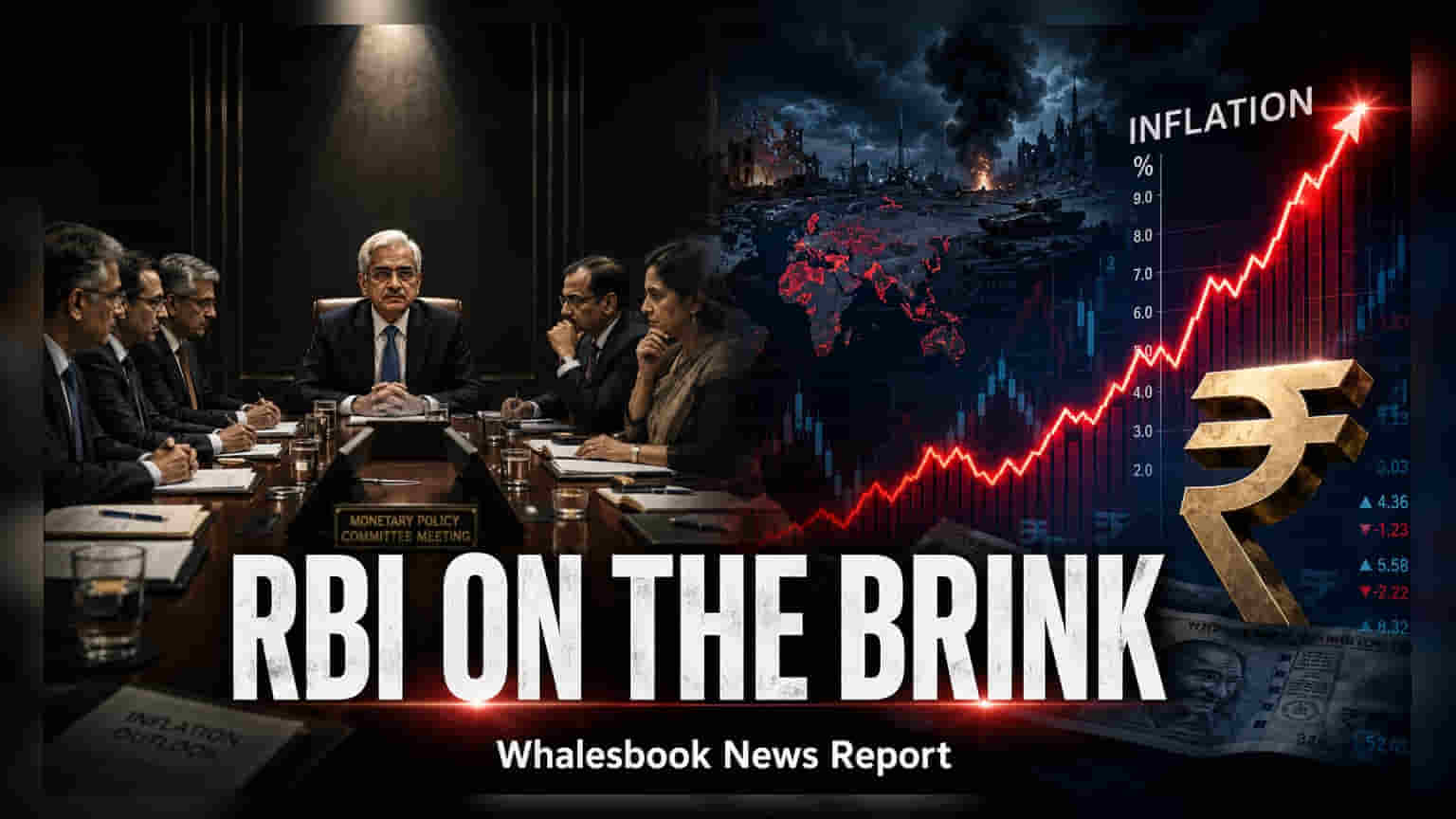
The RBI Monetary Policy Committee is meeting this week to decide on the repo rate, currently at 5.25%. While domestic economic growth is strong, rising oil prices and potential weather-related food inflation are pressuring the central bank. Investors are watching to see if the RBI maintains its current stance or signals future hikes to keep inflation under control.
The Reserve Bank of India (RBI) faces a significant decision in its upcoming Monetary Policy Committee (MPC) meeting regarding the repo rate, the interest rate at which the central bank lends money to commercial banks. Currently set at 5.25%, the rate's future direction depends on balancing steady domestic growth against external inflationary threats. While some data points support maintaining the status quo, the broader environment remains unpredictable.
Inflation Dynamics and Market Expectations
Inflation in India has remained relatively controlled, with the June 2026 consumer price index showing that only a small portion of the basket is trending above the 6% mark. This stands in contrast to the high-inflation period of 2022, suggesting that price pressures are currently less broad-based. Despite this, financial markets are preparing for potential rate increases. The 1-year Overnight Interest Swap (OIS) rate, a key indicator used by market participants to hedge against interest rate changes, reached approximately 5.95% by late July 2026. This trend suggests that the market is pricing in at least two rate hikes of 25 basis points each during the current fiscal year.
External Pressures and Global Factors
Several factors outside the domestic economy are complicating the RBI's policy path. Geopolitical tensions in West Asia have caused a rise in Brent crude oil prices, pushing them above $100 per barrel. Higher energy costs often lead to increased transportation and production expenses, which can quickly filter through to consumer prices. Additionally, environmental factors like El Niño, which can cause erratic rainfall and impact agriculture, pose a risk to food security and prices. These elements create a difficult environment for the central bank, which must decide whether a temporary pause in rate hikes is appropriate or if a proactive increase is needed to prevent future inflation.
Balancing Growth and Price Stability
Falling 'behind the curve' is a primary concern for central bankers, referring to the risk of failing to raise rates quickly enough to combat rising prices. However, historical evidence from the RBI’s own past cycles suggests that a temporary pause does not necessarily mean the bank has lost control. Research from international institutions like the IMF indicates that if an initial delay in rate hikes is met with decisive action later, the impact on curbing inflation can still be effective. The upcoming decision will likely focus on how the RBI communicates its future strategy. Investors will monitor the official policy statement to determine if the central bank keeps its options open for further rate hikes should inflation data show signs of worsening in the coming months.