 Whalesbook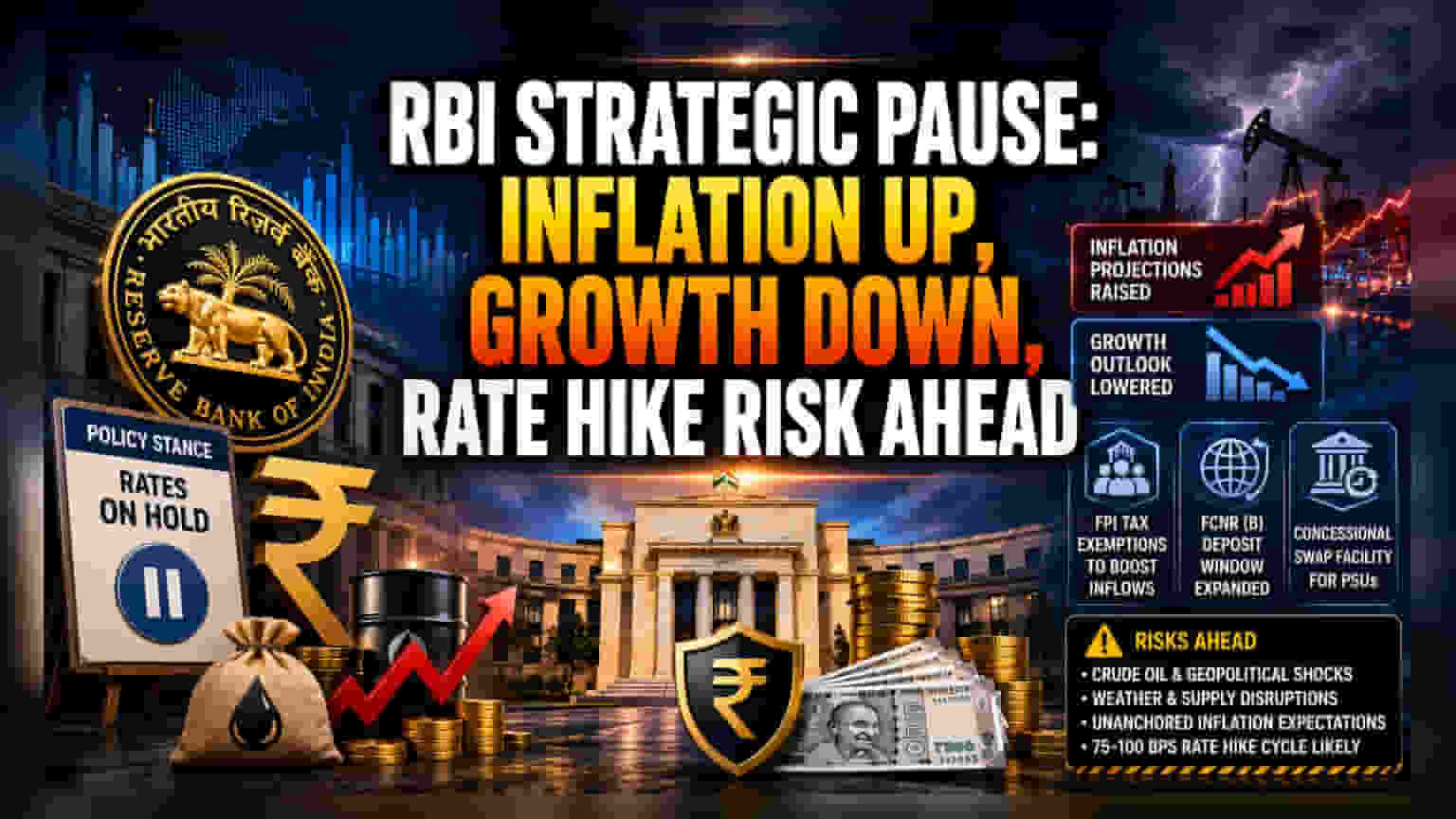


The Shift in Monetary Calculus
The decision to hold rates in the current policy cycle masks an underlying tactical pivot. By raising inflation projections while simultaneously lowering growth outlooks, the Monetary Policy Committee is signaling that the era of policy comfort is ending. The primary driver for this shift is not domestic demand, which remains relatively muted, but a volatile external environment where rising crude oil costs are forcing the central bank to prioritize currency stability over immediate growth momentum. This defensive positioning is designed to anchor expectations before supply-side pressures from potential weather-related disruptions and geopolitical volatility cascade into the broader economy.
Structural Incentives and Capital Defense
To manage the widening external imbalance without relying solely on high interest rates, the central bank and the government have launched a synchronized liquidity injection strategy. The removal of tax barriers for foreign portfolio investors, specifically regarding withholding and long-term capital gains, is a deliberate effort to secure stable, long-term bond inflows. By offering foreign capital a more hospitable environment, the central bank aims to insulate the rupee against persistent volatility in global energy markets. This liquidity-focused approach is complemented by the expanded FCNR (B) deposit window and the concessional swap facility for public sector entities, which act as a shock absorber against short-term currency outflows that would otherwise necessitate a more aggressive monetary response.
The Risk of Policy Overlap
While the current strategy avoids immediate rate increases, it leaves the central bank exposed to the second-round effects of persistent inflation. The primary danger lies in the potential for household expectations to become unanchored if energy price shocks prove durable. Should the West Asia conflict intensify or monsoon performance falter, the current pause will likely be viewed as a temporary delay rather than a change in direction. The move toward a 75-100 basis point hike cycle represents a classic dilemma: balancing the need to crush imported inflation against the fragility of domestic consumption. Market participants are increasingly discounting the possibility of a soft landing as the central bank prepares for a high-interest-rate environment that could pressure corporate balance sheets, particularly in sectors dependent on external commercial borrowing, as refinancing costs are poised to rise significantly in the second half of the year.