

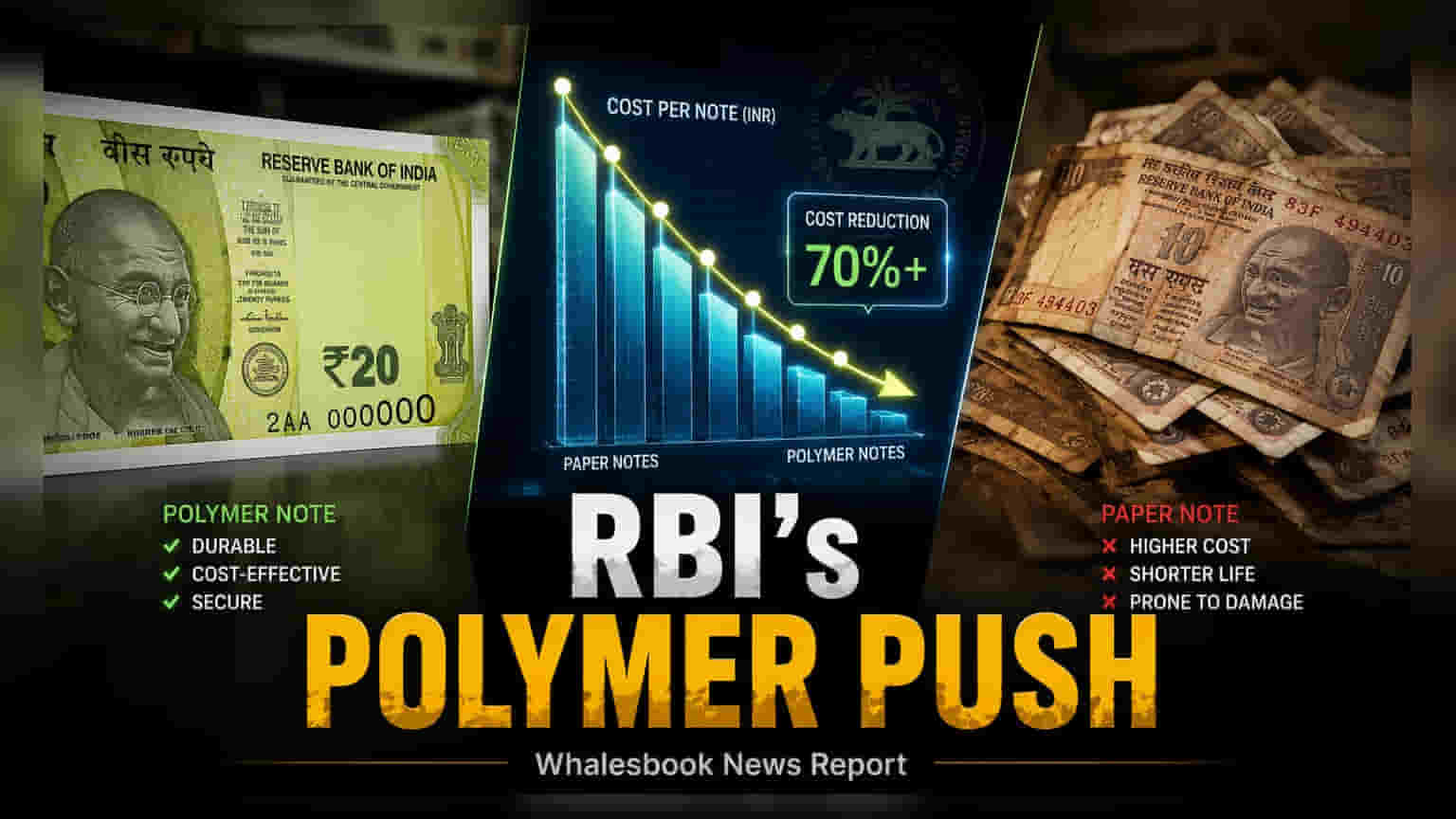
The Reserve Bank of India has launched a pilot program for Rs 10 and Rs 20 polymer banknotes to test their durability and cost-effectiveness. By selecting these lower denominations, the central bank aims to minimize disruption to the national ATM network while gathering data on public acceptance. This trial marks a strategic return to alternative currency materials, with polymer notes expected to last longer than traditional paper currency.
The Reserve Bank of India is testing the use of polymer material for Rs 10 and Rs 20 currency notes. This pilot program is a significant step toward exploring materials that offer greater resistance to moisture, soil, and physical wear compared to the cotton-based paper currently used for Indian banknotes. This initiative follows a previous attempt in 2009 to introduce polymer currency, which was discontinued after the central bank encountered technical difficulties during the trial phase.
Strategic Focus on Lower Denominations
The decision to restrict this pilot to Rs 10 and Rs 20 denominations is designed to manage operational risks. These small denominations make up a large portion of the total number of notes in circulation but represent a very small percentage of the total monetary value in the economy. By focusing here, the RBI can gather real-world data on how the public handles and stores these notes without putting significant monetary value at risk if the trial faces hurdles.
Impact on ATM Infrastructure and Costs
A major concern with switching to new currency materials is the compatibility with the nation's massive ATM network. Higher denomination notes, such as Rs 200 or Rs 500, are frequently processed through ATMs, which would require expensive and time-consuming recalibration of machine sensors to accept polymer-based currency. By choosing denominations that are primarily distributed through bank counters rather than ATMs, the central bank avoids the risk of widespread disruption to cash withdrawals across the country.
From a financial perspective, the primary goal is to lower the total cost of currency management. Traditional paper notes often become soiled or damaged, necessitating frequent withdrawal, destruction, and re-printing. If the polymer notes prove to be more resilient, they will remain in circulation for a longer period, potentially reducing the frequency of replacement. Investors and market observers will likely monitor future reports from the RBI regarding the durability and public reception of these notes, as any eventual large-scale rollout could have implications for security printing companies and the overall logistics of the Indian cash supply chain. For now, the program remains in the testing phase with no plans to phase out existing paper currency.