 Whalesbook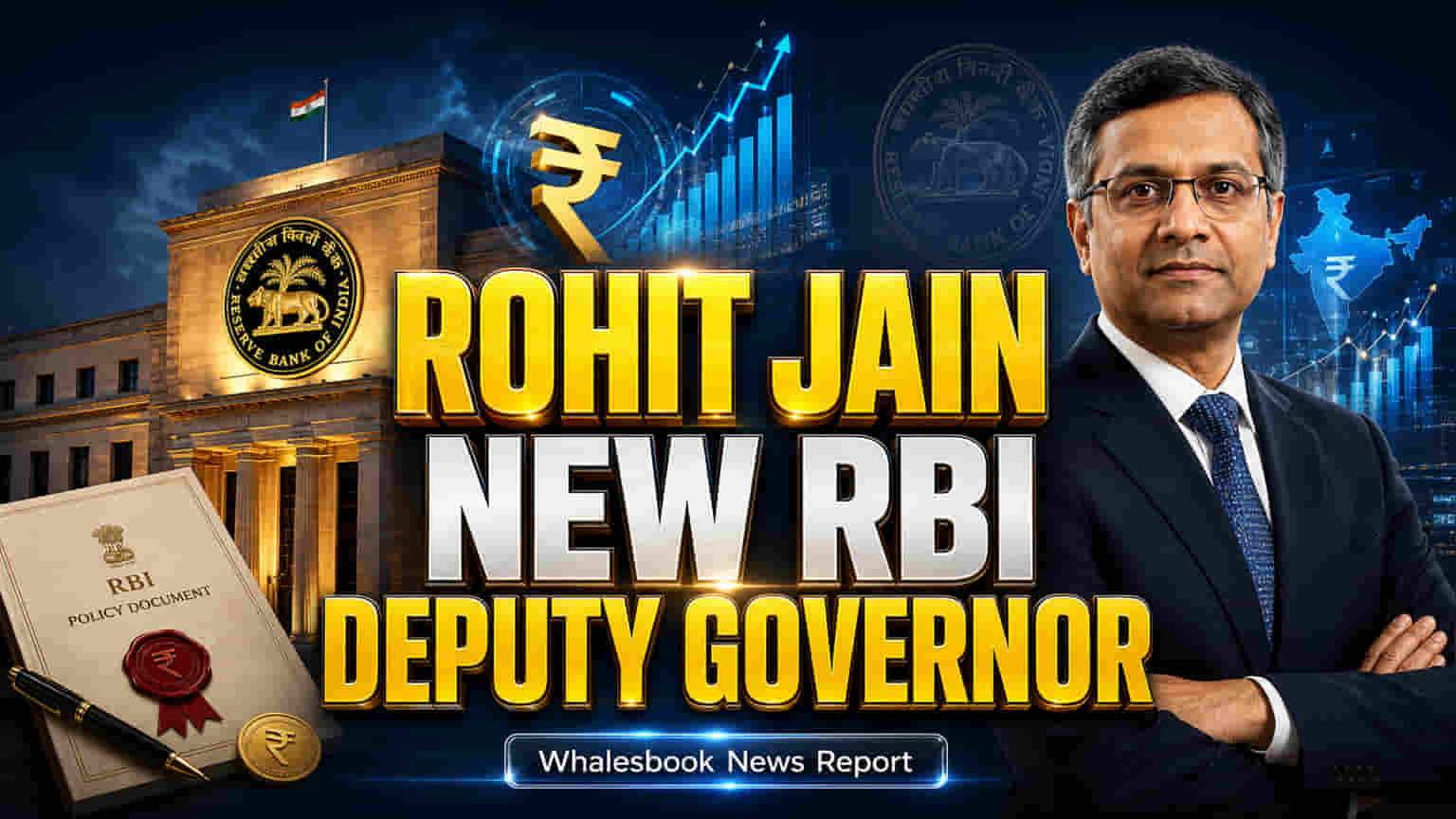


Focus on Stability and Experience
The Reserve Bank of India (RBI) named Rohit Jain Deputy Governor for a three-year term starting May 3, reinforcing its commitment to institutional stability. Jain, who has served at the central bank for about 30 years, is set to take over key roles including Financial Markets Regulation, Foreign Exchange, and Payment and Settlement Systems from T Rabi Sankar. This internal promotion aims to leverage extensive experience for consistent policy execution amidst global economic shifts and new financial technologies, supporting India's robust financial system.
Balancing In-House Talent with Outside Views
The RBI's leadership team now features a balance of internal and external appointments. With Jain and S.C. Murmu promoted from within, alongside two external hires—an economist and a commercial banker—the central bank seeks to combine institutional knowledge with fresh perspectives. This approach aims to drive innovation while maintaining operational consistency. While internal leaders typically have a deeper understanding of the RBI's culture and processes, leading to smoother transitions, outside experts bring new ideas and specialized skills. Jain's experience in supervision, risk management, and regulatory assessment is expected to strengthen the central bank's framework. This leadership mix supports the narrative of India's resilient economy, supported by sound policies, despite global challenges. Consistent leadership is crucial for investor confidence and predictable policy transmission, as markets react to RBI stances.
Risks of Over-Reliance on Internal Views
However, a strong reliance on internal promotions carries potential risks. This strategy could lead to established practices becoming entrenched, potentially slowing the adoption of new ideas or overlooking disruptive external innovations. While continuity is beneficial, an insular approach might limit the influx of diverse thinking needed to anticipate future financial challenges. The RBI's structure requires careful management of responsibilities to avoid departmental silos. The core risk is not in Jain's capabilities, but in whether an overemphasis on internal continuity might cause the central bank to miss emerging systemic vulnerabilities that outside perspectives could more easily spot.
The appointment of Rohit Jain as Deputy Governor is set to bolster the RBI's capacity to manage complex financial operations and regulatory frameworks. His expected oversight of key market-facing departments aligns with the central bank's ongoing efforts to enhance monetary policy transmission and maintain financial stability. As India's economy continues its resilient growth trajectory amidst global uncertainties, Jain's deep institutional knowledge is anticipated to contribute to a stable and predictable policy environment, reinforcing the RBI's position as a guardian of the nation's financial health.