

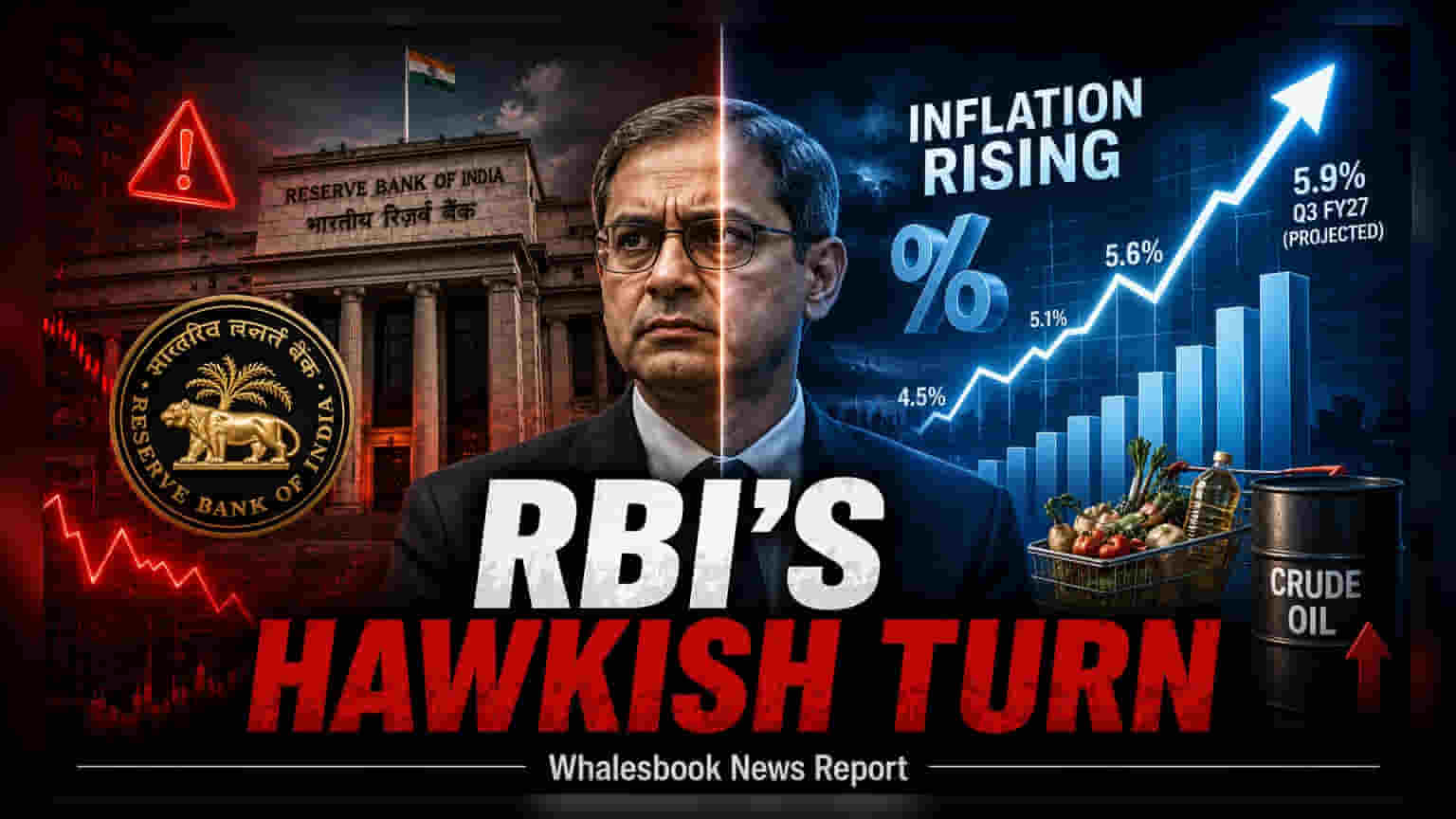
The minutes from the RBI's August MPC meeting show officials are growing concerned about inflation, marking a shift from the previous expectation of a long rate pause. With inflation expected to peak at 5.9% in Q3 FY27, investors should prepare for potential volatility in bond markets and watch for future changes in borrowing costs.
The Reserve Bank of India’s (RBI) August Monetary Policy Committee (MPC) minutes reveal a more cautious tone than the market initially expected. While the committee unanimously voted to keep the repo rate unchanged at 5.25%, the official notes from members highlight growing discomfort with persistent inflation, signaling that the central bank is prepared to shift its strategy if needed.
Inflation Concerns and GDP Growth
Although the official policy stance remains neutral, providing the central bank with flexibility, the minutes show that controlling prices has become a top priority. Members flagged risks from rising food and fuel prices, which could trigger broader price increases across the economy. The committee projects headline inflation to peak at 5.9% in the third quarter of the 2027 fiscal year.
On the positive side, the RBI maintained confidence in the broader economy, upwardly revising the GDP growth projection for fiscal year 2027 to 6.7%. This suggests that while inflation is a concern, the central bank believes the domestic economy has enough momentum to handle potential policy adjustments.
Impact on Bond Markets and Borrowing Costs
For investors, these minutes are a signal to recalibrate expectations. Bond markets often react quickly to such shifts. When the central bank signals that it may raise rates sooner than expected, bond prices typically fall, which pushes yields higher. Investors in debt mutual funds and government securities may see increased volatility in the coming weeks as traders adjust their positions.
For the broader stock market and corporate sector, the shift toward a hawkish tone—meaning a bias toward raising interest rates—is a point to watch. If the RBI eventually raises the repo rate to combat inflation, borrowing costs for both companies and individual consumers will likely rise. This can impact profit margins for businesses that rely on debt and could potentially slow down consumer spending.
Risks to Monitor
Several external factors continue to influence the RBI's decision-making. The minutes noted that geopolitical tensions, volatile oil prices, and uncertainties regarding US tariffs are all contributing to an unpredictable environment. The central bank is waiting for more clarity on whether inflation will remain persistent or begin to ease.
The most important step for investors now is to track incoming inflation and growth data. The RBI has made it clear that they will wait for more certainty on the inflation path before deciding on any major rate changes. Future MPC meetings will be closely watched for any official change to the current neutral policy stance.