 Whalesbook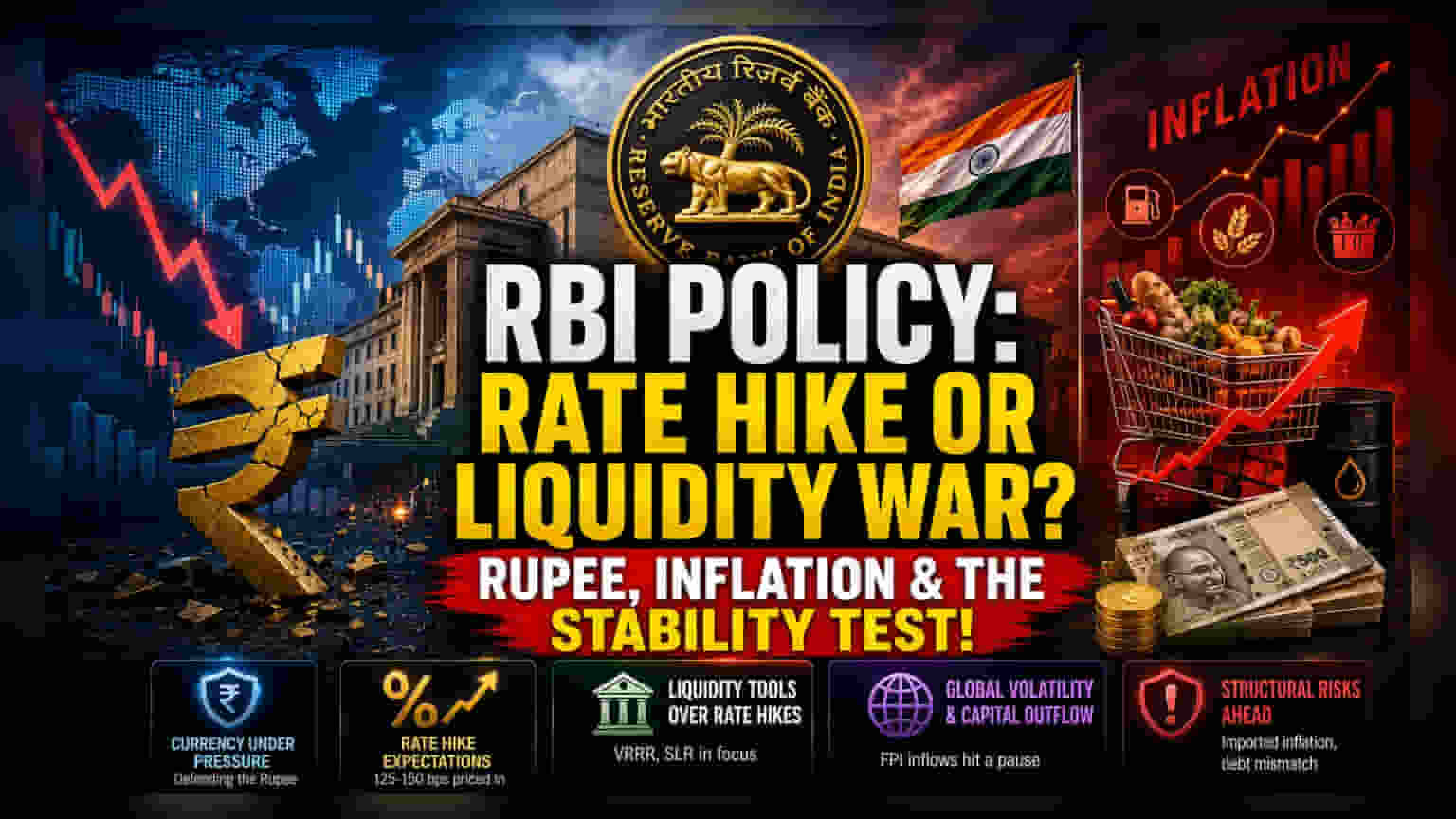


The Shift in Monetary Strategy
The upcoming policy review represents a shift away from traditional growth-focused mandates toward active currency defense and supply-side management. While headline GDP estimates remain anchored near 6 percent, the underlying reality involves a sharp divergence between domestic output and external account sustainability. Policymakers are effectively transitioning from a cycle of reactive adjustments to one of proactive containment, particularly as the persistent strength of import-driven costs begins to outweigh the benefits of a weaker rupee for exports.
The Anatomy of the Currency Crisis
Unlike previous cycles where currency depreciation acted as a predictable trade lever, the current environment presents a structural imbalance. The traditional reliance on foreign portfolio inflows has stalled, leaving a vacuum that current account deficits are struggling to fill. Historical data from late 2023 and early 2024 shows that rate hikes alone failed to stem capital flight when global liquidity conditions turned hawkish. Consequently, the RBI is likely to emphasize liquidity management tools over blunt interest rate increases. By utilizing variable rate reverse repos and potentially adjusting the statutory liquidity ratio, the bank aims to suppress volatility without inadvertently throttling private credit growth during a fragile recovery period.
The Forensic Bear Case: Structural Risks
Investors should remain wary of the 'imported inflation' trap. Should the rupee breach key psychological support levels, the resulting pass-through into energy and food costs could render current inflation forecasts obsolete. A critical concern remains the fiscal impact of subsidizing hedging costs to attract capital; this maneuver effectively socializes corporate exchange-rate risk, which could strain government balance sheets if the rupee continues to trend lower. Furthermore, the reliance on external commercial borrowing to fill the balance-of-payments gap introduces a dangerous maturity mismatch. If global volatility spikes, this debt-heavy approach to stability will evaporate, leaving the central bank with significantly diminished reserves to intervene effectively.
The Future Policy Path
Market participants are currently anticipating a hawkish pivot in the upcoming minutes, specifically looking for signals regarding a terminal rate ceiling. Given the OIS market pricing in 125 to 150 basis points of total tightening over the next four quarters, the central bank’s guidance on liquidity withdrawal will be the primary indicator of its resolve. If the RBI chooses a 'wait-and-see' approach for rates, they will likely compensate with aggressive, behind-the-scenes regulatory measures designed to broaden the appeal of domestic debt instruments to international institutional investors.