

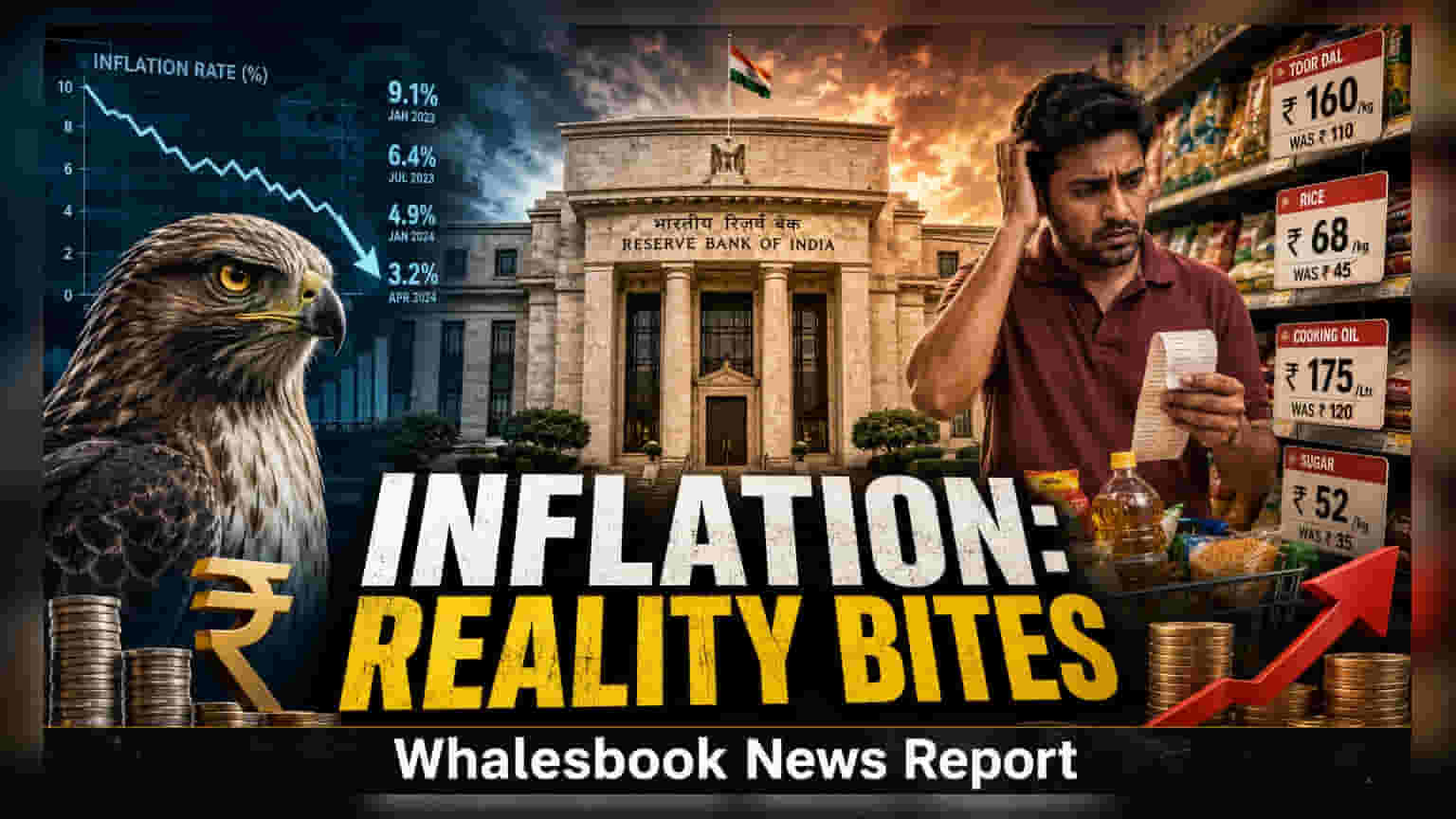
The Reserve Bank of India maintained the repo rate at 5.25% in August 2026, keeping a neutral policy stance. While officials focus on moderated core inflation figures, consumers continue to face pressure from persistent food and commodity prices. Investors should monitor how this gap between official data and household spending affects corporate demand and discretionary sales.
The Reserve Bank of India’s (RBI) Monetary Policy Committee maintained the repo rate at 5.25% in its August 2026 meeting. This decision reflects a 'neutral' stance, with the central bank projecting that recent price increases are largely temporary and driven by supply-side issues, such as food and fuel costs. However, a significant gap remains between this official outlook and the daily experience of Indian households, creating a complex environment for investors and businesses alike.
The Disconnect Between Policy and Pockets
The core of the current inflation debate lies in how prices are measured versus how they are felt. Headline retail inflation stood at 4.45% in July 2026, a slight increase from 4.38% in June. While the RBI’s focus on 'core inflation'—which strips out volatile items like food and fuel—suggests a stable trajectory, consumers remain burdened by elevated prices in essential food categories. Many market analysts point out that official data often fails to capture the full pressure on household budgets. This is evident in consumer sentiment surveys, which show a softening in confidence as families reprioritize spending toward essentials, leaving less room for discretionary items.
Impact on Corporate Performance
This ongoing inflation pressure is directly influencing corporate earnings. Many companies in the consumer goods space are reporting that they cannot pass on all input cost increases to buyers. Instead, brands are increasingly relying on 'shrinkflation'—reducing the size of product packs while keeping the price the same—to protect sales volumes. Investors tracking the retail and fast-moving consumer goods (FMCG) sectors should look for signs of demand recovery, as persistent high food bills act as a silent drag on growth. For companies reliant on middle-income demand, the ability to maintain profit margins without losing customers has become a difficult balancing act.
Risks to Watch
While the RBI has lowered its annual inflation forecast to 5.0%, several risks could challenge this outlook in the coming months. The primary concern is the impact of a strong El Niño event, which could disrupt agricultural output and keep food prices high. On the energy front, geopolitical tensions in West Asia threaten to push crude oil prices higher. Additionally, India faces potential pressure on its import bill as discounted Russian crude supplies may see a 50% reduction. These factors, combined with currency volatility, suggest that the central bank’s neutral stance may face tests. For market participants, the next few months of retail inflation data and the monsoon harvest reports will be the key indicators to monitor, as these will determine whether inflation remains contained or forces a change in the current interest rate strategy.