

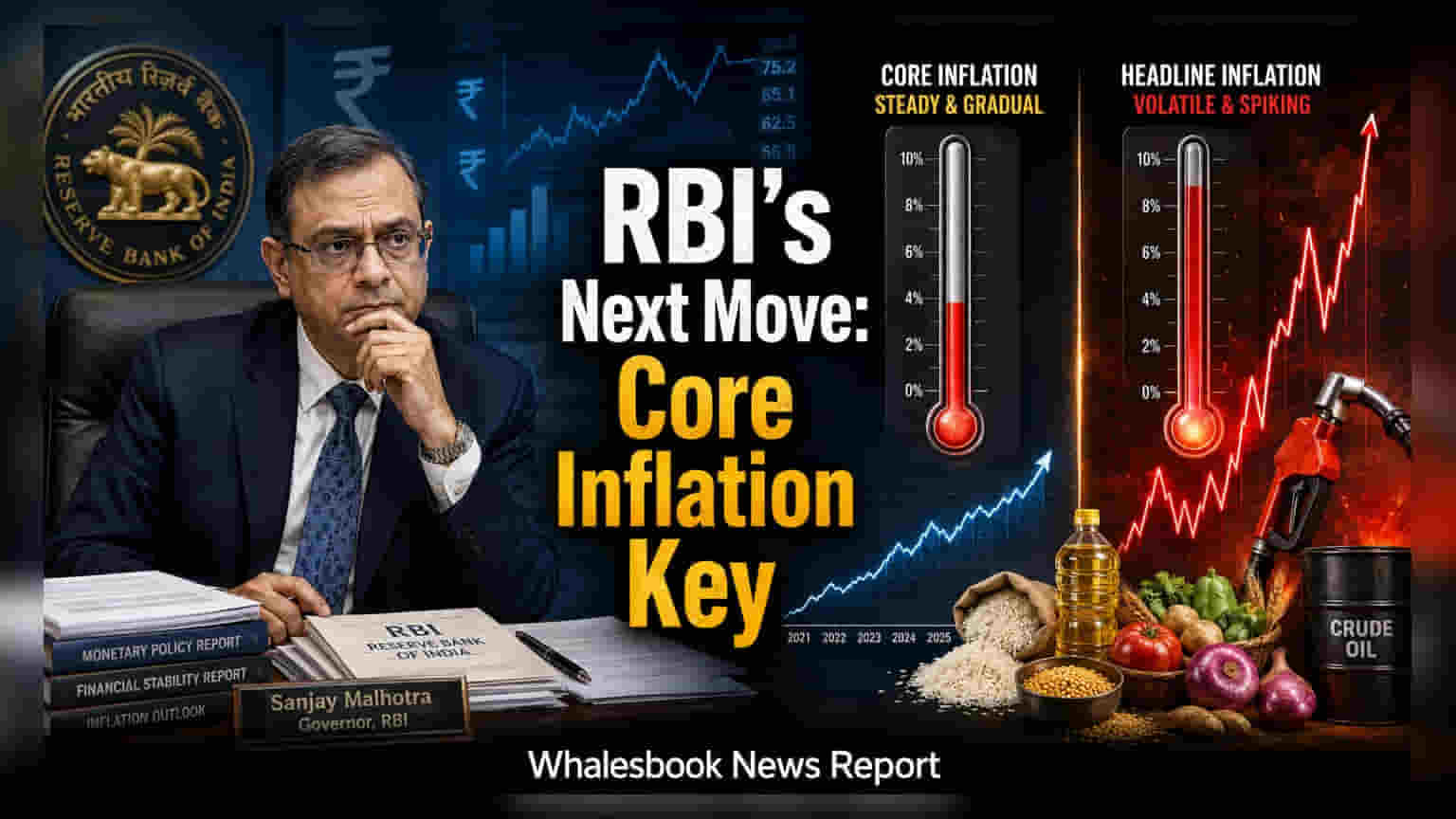
The Reserve Bank of India (RBI) has kept the repo rate unchanged at 5.25% with a neutral stance, prioritizing core inflation over temporary supply-side price spikes. The central bank raised its FY27 GDP growth forecast to 6.7% while lowering the headline inflation projection to 5.0%. These decisions reflect confidence in domestic growth despite global geopolitical and weather-related risks.
The Reserve Bank of India (RBI) Monetary Policy Committee (MPC) has maintained the repo rate at 5.25% in its meeting on August 5, 2026. The central bank opted for a neutral policy stance, signaling a cautious approach as it monitors how global uncertainties and supply-side pressures affect the Indian economy.
Governor Sanjay Malhotra emphasized that the central bank is looking past temporary spikes in headline inflation. While food and fuel prices have caused headline numbers to rise, the RBI noted that this inflation is not spreading deeply into the broader economy. Instead, the central bank is focusing on core inflation—which excludes volatile food and fuel prices—as the main signal for its policy direction. Core inflation remains moderate and is projected to stay at 4.3% for the 2026-27 fiscal year.
The RBI’s outlook for the Indian economy remains positive. The central bank has raised its GDP growth forecast for FY27 to 6.7%, up from the previous estimate of 6.6%. This reflects confidence in domestic factors, such as resilient investment in infrastructure, capital goods, and steady bank credit growth. At the same time, the RBI has lowered its headline inflation projection for the year to 5.0%, down from 5.1%, suggesting that it expects price pressures to be manageable.
However, the MPC’s decision was also shaped by significant external and environmental risks. The central bank flagged geopolitical instability, specifically the US-Iran conflict, as a key factor that could create volatility in global energy prices and disrupt supply chains. Additionally, the RBI acknowledged that agricultural output remains vulnerable to weather patterns, including the risk of a super El Niño event and below-normal monsoons, which could influence food supply and prices.
For investors, this policy decision suggests that the RBI is balancing the need to support domestic growth with the necessity of keeping prices stable. Because the RBI is not seeing signs of the economy overheating—supported by the stable core inflation data—it is holding rates steady rather than tightening policy further. The path ahead will likely depend on how global energy markets evolve and whether domestic agricultural production stays on track. Investors will continue to monitor the central bank's commentary in upcoming meetings for any shifts in its neutral stance based on these geopolitical and weather-related developments.