

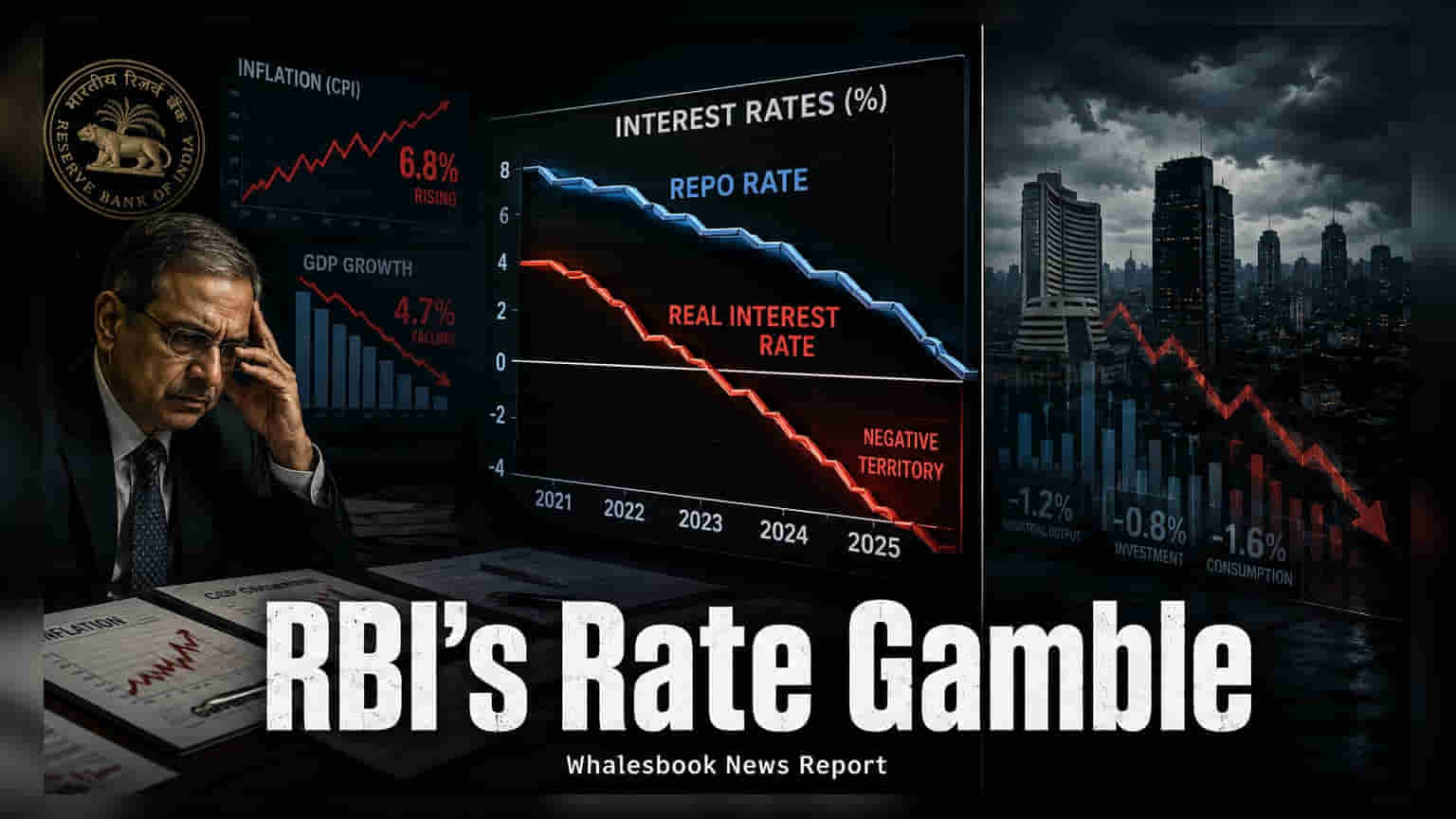
The Reserve Bank of India has kept the repo rate steady at 5.25% and maintained a neutral stance. The central bank raised its FY27 GDP growth forecast to 6.7% while lowering the inflation estimate to 5.0%. This decision reflects confidence in domestic growth despite global uncertainties.
The Reserve Bank of India’s Monetary Policy Committee, led by Governor Sanjay Malhotra, has decided to keep the policy repo rate unchanged at 5.25%. This unanimous decision comes as the central bank aims to balance economic growth with the need to keep inflation in check.
In a move seen as a sign of confidence in the domestic economy, the RBI has revised its real GDP growth forecast for the 2026-27 financial year upwards to 6.7%, up from the previous estimate of 6.6%. Simultaneously, the central bank has lowered its consumer inflation projection for the year to 5.0%, down from 5.1%. By maintaining a neutral stance, the RBI is signaling that it remains flexible and will adjust its policy based on future economic data.
While the domestic outlook is improving, the central bank highlighted several external challenges that investors should keep in mind. Governor Malhotra pointed to global geopolitical uncertainties, specifically citing the ongoing conflict in West Asia, which can lead to unpredictable swings in crude oil prices. Higher oil prices can increase import costs and pressure headline inflation, creating a challenge for monetary policy.
Another significant monitorable is the impact of climate conditions on the economy. The central bank noted that the southwest monsoon and the effects of El Niño remain important factors that could influence agricultural output and rural demand. Because food and fuel costs are large parts of the inflation basket, unexpected price spikes in these areas can limit the RBI’s ability to lower interest rates further in the future.
For investors, the decision to hold rates steady provides a period of stability in borrowing costs. When interest rates remain unchanged, banks and corporations have more certainty regarding their cost of funds, which can help in planning capital spending and operations. However, the path of future interest rate changes will depend heavily on incoming inflation data and how global commodity prices evolve over the coming months. The RBI will continue to watch these global and domestic developments closely to ensure that inflation remains within its comfort zone while supporting the country's growth momentum.