

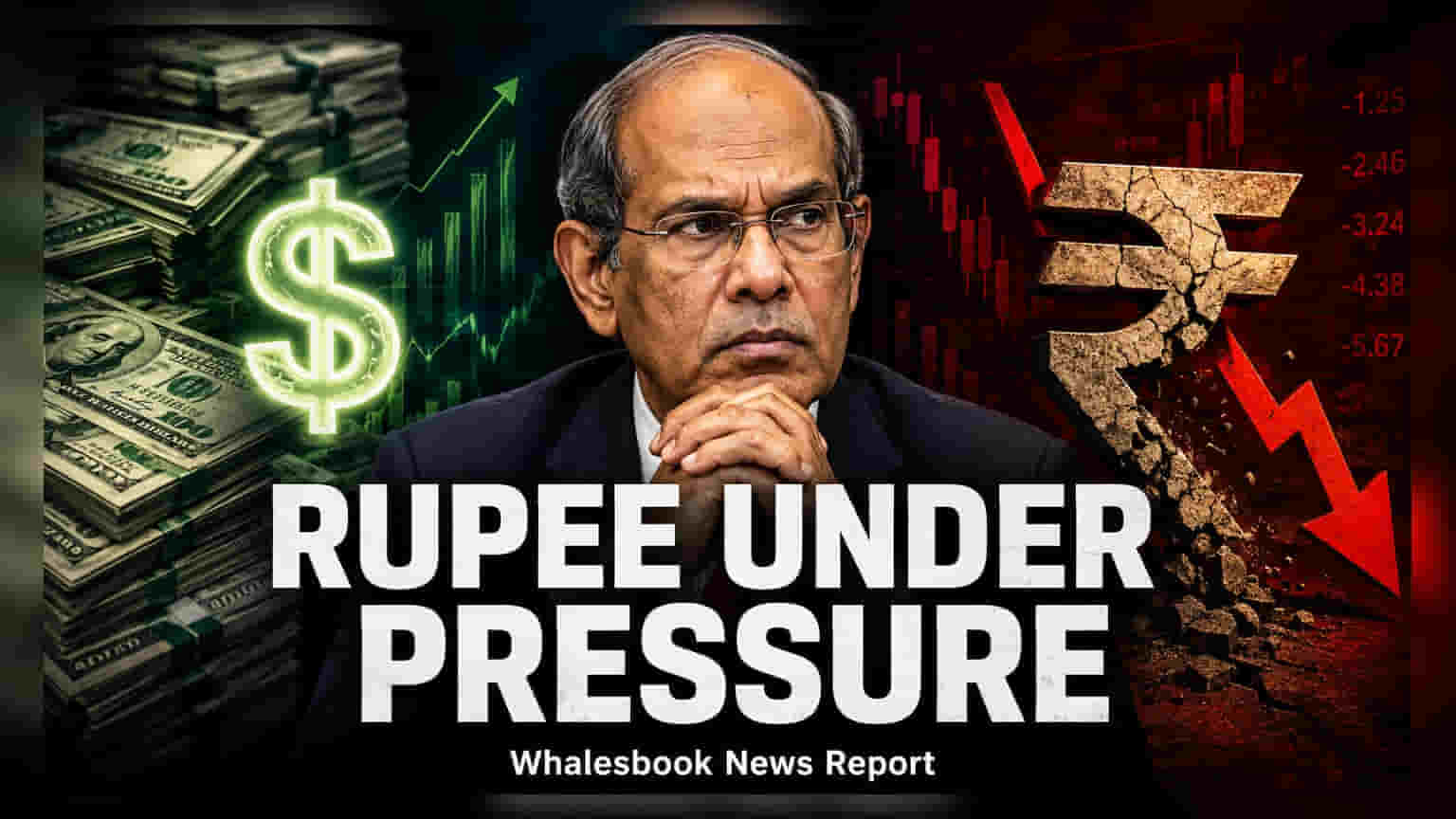
The Reserve Bank of India has confirmed the success of the FCNR(B) scheme, which mobilized $36.72 billion by July 31, 2026. Governor Sanjay Malhotra stated the initiative has helped stabilize the external position and will continue through its scheduled expiry in September.
The Reserve Bank of India (RBI) has reaffirmed the effectiveness of its Foreign Currency Non-Resident (FCNR-B) deposit scheme, clarifying that the initiative continues to support the Indian rupee and the country's external financial position. As of July 31, 2026, the scheme has successfully mobilized approximately $36.72 billion, providing a buffer against global currency volatility and foreign investor outflows.
RBI Governor Sanjay Malhotra addressed the status of these inflows on August 5, 2026, confirming that the central bank has no plans to prematurely close the incentive scheme. The program remains active and is scheduled to run until its planned expiry date on September 30, 2026. The official stance counters concerns regarding the utility of such measures, emphasizing their role in managing domestic liquidity and strengthening the currency amid challenging global conditions.
Understanding the Role of FCNR(B) Deposits
The FCNR(B) scheme is designed to attract foreign currency deposits from non-resident Indians by offering competitive interest rates. While such inflows are technically debt and carry repayment obligations, they serve as a crucial tool for the central bank to manage forex reserves during periods of high market pressure. By increasing the supply of foreign currency, these deposits help the RBI maintain stability in the exchange rate, reducing the volatility of the rupee.
Economic analysts distinguish between these short-term capital buffers and long-term foreign direct investment (FDI). While FDI indicates sustained confidence in the domestic economy, forex deposit schemes are tactical tools used to navigate immediate macroeconomic headwinds. The success of the current mobilization suggests that the RBI’s strategy has effectively incentivized capital retention, even as global investors continue to assess valuation risks in emerging markets like India.
Looking Ahead
For investors and market participants, the key monitorable will be the transition period following the scheme's conclusion on September 30, 2026. The RBI is expected to evaluate the liquidity situation and global market trends before deciding on any further extension or policy adjustment. With the current focus on balancing domestic demand and external stability, the central bank’s commentary in upcoming monetary policy meetings will provide clarity on whether similar measures are required to support the rupee in the fourth quarter.