 Whalesbook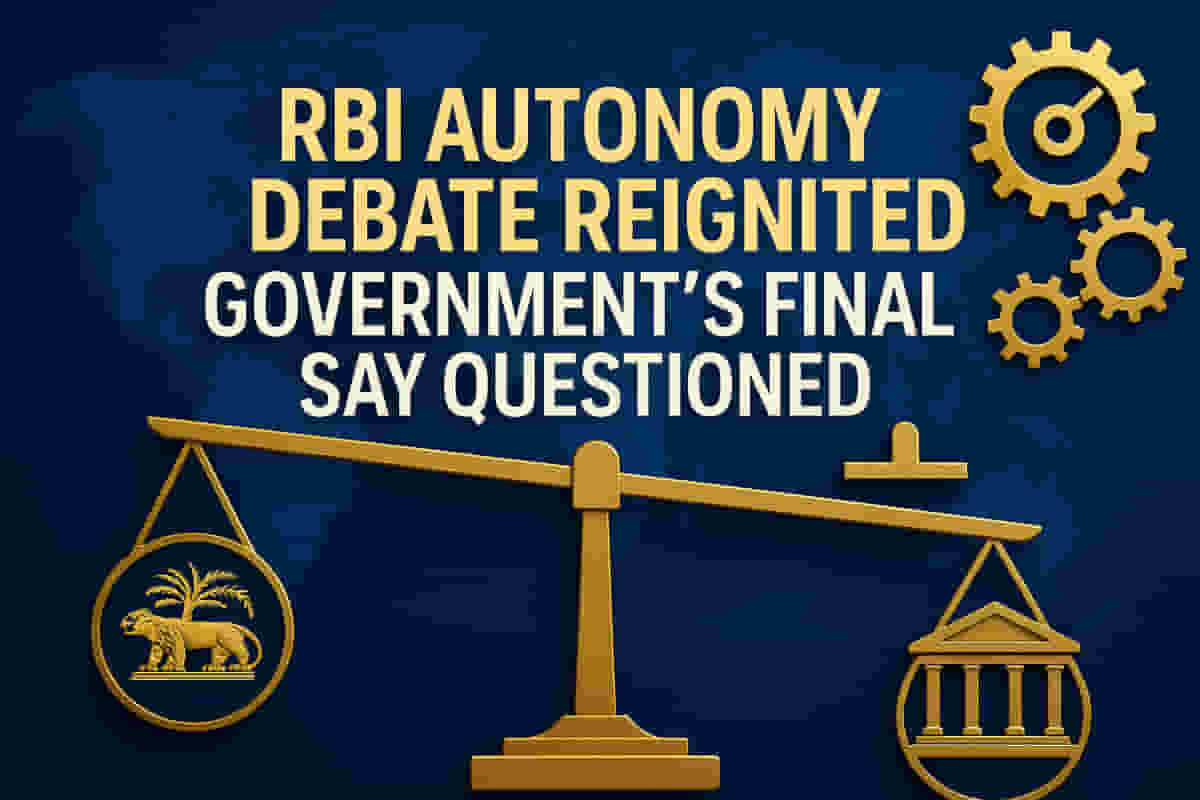
The news touches upon a critical aspect of India's financial governance: the independence of the Reserve Bank of India (RBI). For years, a debate has been ongoing about the degree of autonomy the central bank should possess, particularly concerning the government's potential influence or final say on certain decisions. This discussion also questions whether an independent 'appellate authority' should be established to review RBI's decisions.
The Srikrishna Commission had previously raised this matter more than a decade ago, indicating that the debate is not new. Now, it appears the World Bank has brought this topic back into focus, suggesting a renewed international interest or concern regarding the RBI's governance structure.
Impact
This debate is significant because central bank independence is often linked to financial stability and investor confidence. If the government gains more control or if the RBI's decision-making process is seen as compromised, it could lead to concerns about monetary policy consistency and regulatory fairness. This might affect market sentiment, foreign investment, and the overall economic outlook.
Rating: 7/10
Difficult Terms Explained:
Autonomy: The ability of an institution, like the RBI, to govern itself and make decisions independently, without undue influence or control from external bodies such as the government.
Appellate Authority: A higher body or court that has the power to review decisions made by a lower authority. In this context, it refers to an entity that could potentially review or overrule decisions made by the Reserve Bank of India.
Turf Wars: Conflicts or disputes that arise between different individuals, groups, or institutions over areas of authority, responsibility, or control.