

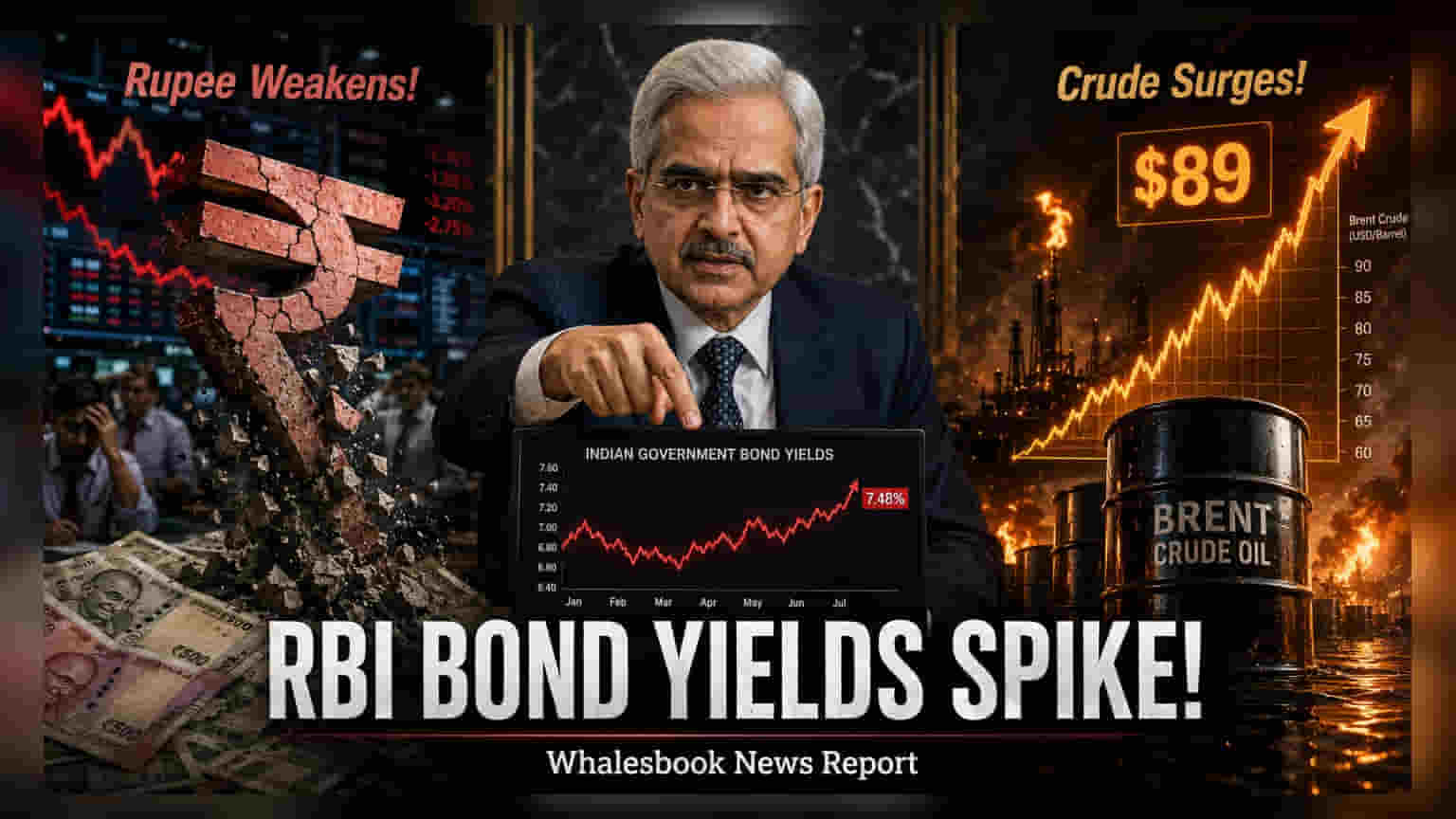
The Reserve Bank of India has unexpectedly moved the FCNR-B swap window closure to August 31, 2026, from September 30. This decision, following record inflows of $52.30 billion, has tightened market sentiment, pushing 10-year bond yields up and adding pressure to the rupee amid rising crude oil prices near $89 per barrel.
The Reserve Bank of India (RBI) surprised the market by advancing the deadline for the Foreign Currency Non-Resident (Bank) or FCNR-B deposit swap window. The window will now close on August 31, 2026, a month earlier than the previously scheduled September 30, 2026. This announcement, combined with shifting global economic factors, sent benchmark 10-year bond yields up by three basis points as trading opened on August 17.
The FCNR-B swap facility is a tool designed to allow banks to bring foreign currency into India, which helps the central bank manage foreign exchange reserves and rupee liquidity. The facility saw massive demand since its inception, with cumulative inflows reaching $52.30 billion as of August 13, 2026. The decision to accelerate the closure caught traders off guard, particularly because the RBI had recently maintained a more stable stance regarding the policy. Investors often interpret such abrupt changes as a signal that the central bank is aiming to tighten liquidity conditions.
Bond markets reacted immediately to the uncertainty. When yields rise, bond prices typically fall, which can impact the portfolios of fixed-income investors. This adjustment occurred alongside weakness in the currency market, with the Indian rupee opening at 95.48 against the U.S. dollar on August 17.
Beyond domestic policy changes, the rupee and bond markets are navigating external pressures. International Brent crude oil prices have climbed to near $89 per barrel. Geopolitical tensions near the Strait of Hormuz—a vital transit route for global energy—have reignited concerns about potential supply disruptions. Higher oil prices generally increase India’s import bill, which can put downward pressure on the rupee and force the central bank to manage dollar supply more actively to maintain stability.
Looking ahead, market participants are focused on the upcoming release of the Monetary Policy Committee (MPC) meeting minutes. These documents are expected to offer insight into the central bank’s current assessment of inflation, economic growth, and its strategy for managing liquidity and currency volatility. While the swap schemes for External Commercial Borrowings (ECBs) and Overseas Foreign Currency Borrowings (OFCBs) remain open until December 31, 2026, the market is primarily monitoring how the early closure of the FCNR-B window influences broader liquidity and whether crude oil price trends continue to impact domestic financial conditions.