

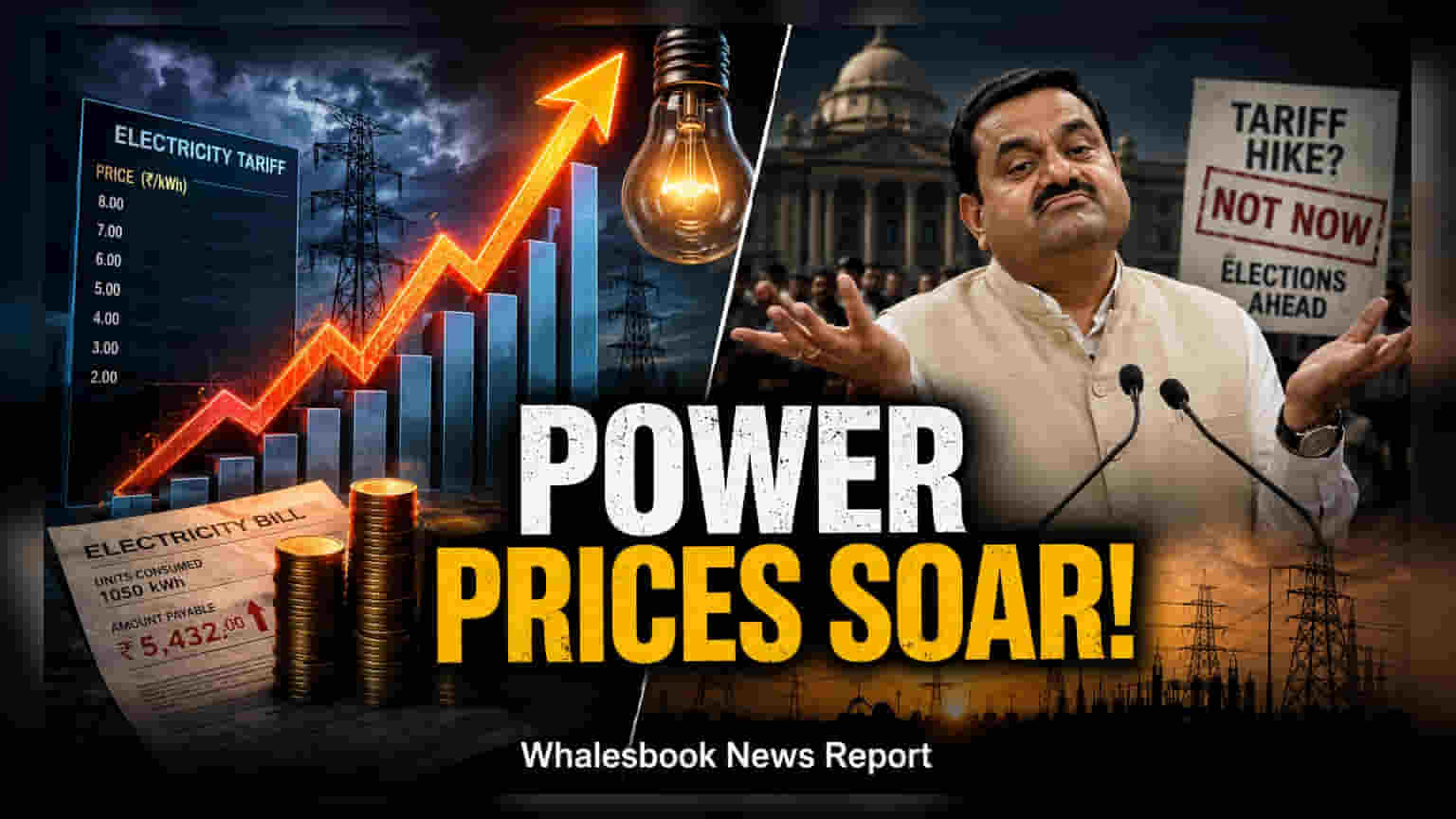
Electricity tariffs in India for FY27 show a clear divide between states pushing for cost recovery and those prioritizing upcoming elections. While nine states have raised prices to address financial losses, poll-bound regions have kept rates unchanged or even reduced them. This ongoing tension complicates the long-term financial stability of state power distribution companies.
Electricity prices across India are seeing a split approach this fiscal year, as state electricity distribution companies—commonly known as discoms—navigate a complex mix of financial mandates and political cycles. While nearly a dozen states have implemented tariff hikes to recover operational costs, others facing upcoming elections have opted to freeze or even lower electricity prices for consumers.
This trend marks a deviation from the push for fiscal discipline in the power sector. In August 2025, the Supreme Court directed states to ensure electricity tariffs reflect the actual cost of supply and to create firm timelines for eliminating 'regulatory assets.' Regulatory assets are essentially costs that discoms have incurred but have been allowed to defer to future years, which often weakens their financial position over time.
Despite this directive, the implementation remains uneven. States such as Jammu & Kashmir, Chhattisgarh, and Jharkhand have moved ahead with tariff increases, with some hikes exceeding 6%. These adjustments are necessary for discoms to bridge the gap between the cost of purchasing power and the revenue they collect from customers. In contrast, states like Punjab and Himachal Pradesh, which are heading toward elections, have either held rates steady or provided small reductions, effectively prioritizing immediate political relief over the long-term financial health of their state-run utilities.
Another group of 13 states, including Uttar Pradesh and Uttarakhand, which are due for assembly elections in 2027, have chosen to maintain existing tariff levels. This strategy allows these states to avoid the public dissatisfaction that often accompanies utility price hikes, but it also risks deepening the financial dependence of discoms on state government subsidies.
The sector has seen genuine improvement in efficiency. Aggregate technical and commercial losses—a metric tracking energy leakage, theft, and billing inefficiencies—improved to 15.04% in FY25, down from 21.91% in FY21. However, the financial stability of these companies faces fresh pressure from rising power procurement costs. A major portion of a discom's expenses goes toward buying power, and as newer thermal projects and renewable energy schemes come online at higher contract costs, the burden on the distribution network is likely to increase.
Investors and market participants tracking the power sector should monitor whether states that have held or cut tariffs will resume price hikes once their respective election cycles conclude. Additionally, the ability of discoms to reduce these long-standing unpaid costs without relying on government bailouts remains the primary indicator of the sector’s structural maturity.