

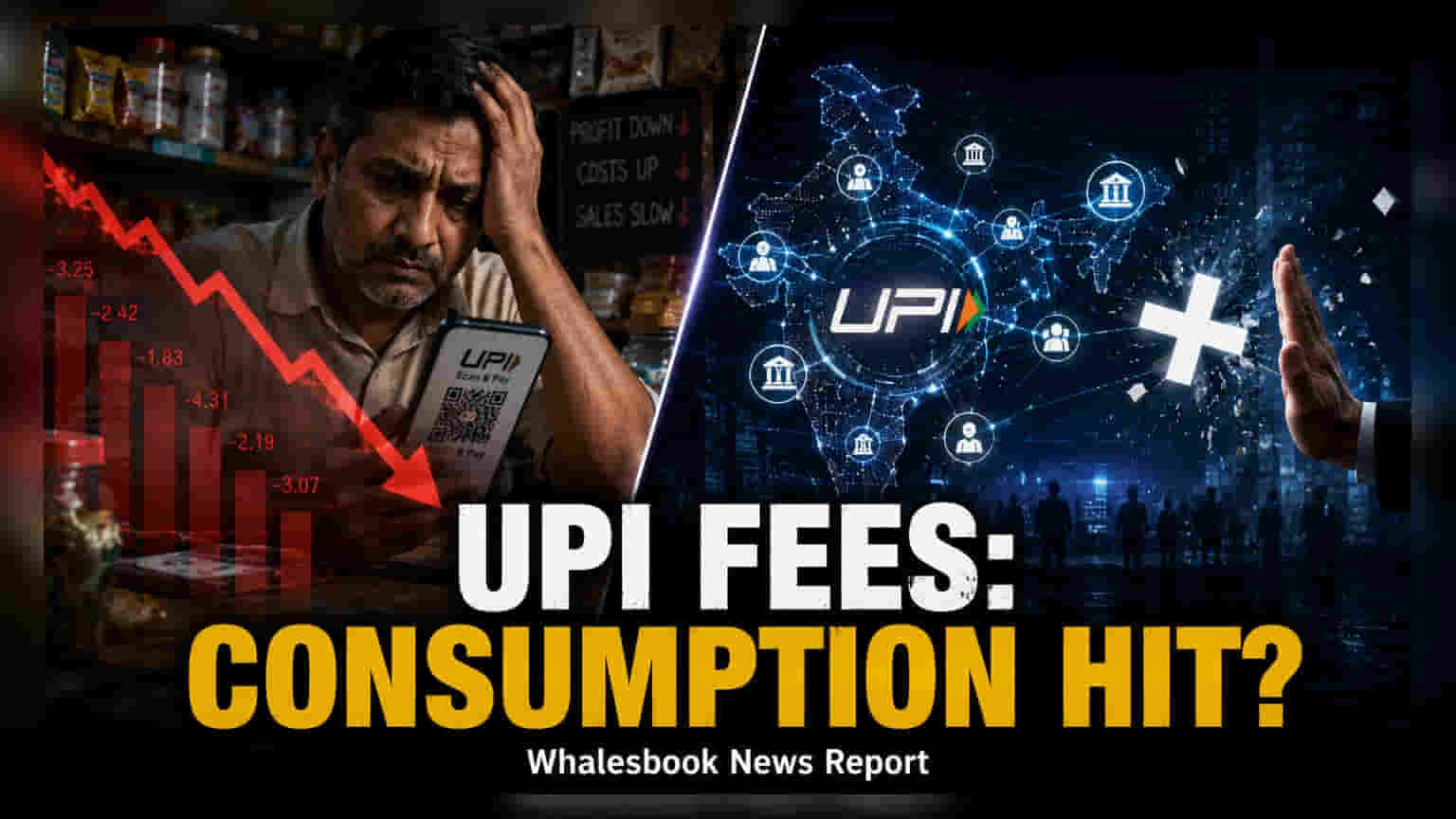
Discussions regarding a potential Merchant Discount Rate (MDR) for UPI transactions are gaining attention, raising concerns over business operating costs. Analysts suggest that imposing these fees could pressure profit margins for small merchants and impact consumer pricing. The challenge remains to balance the long-term sustainability of the payment ecosystem with the widespread adoption of India's digital infrastructure.
The ongoing discourse surrounding the introduction of a Merchant Discount Rate (MDR) on Unified Payments Interface (UPI) transactions has brought the economics of India’s digital payments sector into focus. An MDR is a fee typically charged to merchants by payment service providers for processing digital transactions. While UPI has flourished as a zero-cost medium for both consumers and merchants since its inception, the sustainability of this model remains a topic of regulatory and industry deliberation.
Potential Pressure on Small Businesses
For many small businesses and kirana stores, digital payments have become a standard way to manage daily transactions. If an MDR is introduced, these merchants could face immediate pressure on their operating costs. Financial analysts observe that while some businesses might initially absorb these costs to maintain customer convenience, prolonged pressure could lead to a reduction in promotional offers or even higher retail prices for consumers. This dynamic poses a risk to the growth of digital transactions, particularly for lower-value purchases where profit margins are already narrow. A rise in costs could potentially deter small vendors from accepting UPI, which would represent a shift in the current trend of rapid digital adoption.
UPI as Digital Public Infrastructure
Beyond immediate business costs, the discussion touches on the role of UPI as a core component of India's Digital Public Infrastructure (DPI). Unlike private payment networks, which operate primarily on profit-driven models, public initiatives like UPI are often evaluated by their ability to drive economy-wide value and financial inclusion. Critics of an MDR argue that the platform's success is rooted in its accessibility and zero-fee structure. Introducing a merchant-funded fee could challenge this model, potentially slowing down the momentum that has made India a leader in global digital payments.
Long-Term Sustainability and Revenue Models
Many payment companies currently utilize UPI as a gateway to acquire customers, subsequently offering additional services like credit, lending, or insurance to build revenue. Policymakers are now tasked with evaluating whether an MDR is necessary to support the ecosystem or if existing diversified revenue models are sufficient for payment operators. The key for investors and industry stakeholders will be monitoring future regulatory updates, as any change to the fee structure would have direct implications for transaction volumes, payment service provider margins, and broader digital commerce activity. The final direction taken by authorities will likely focus on sustaining the platform's growth while addressing the financial requirements of the companies that maintain the digital infrastructure.