

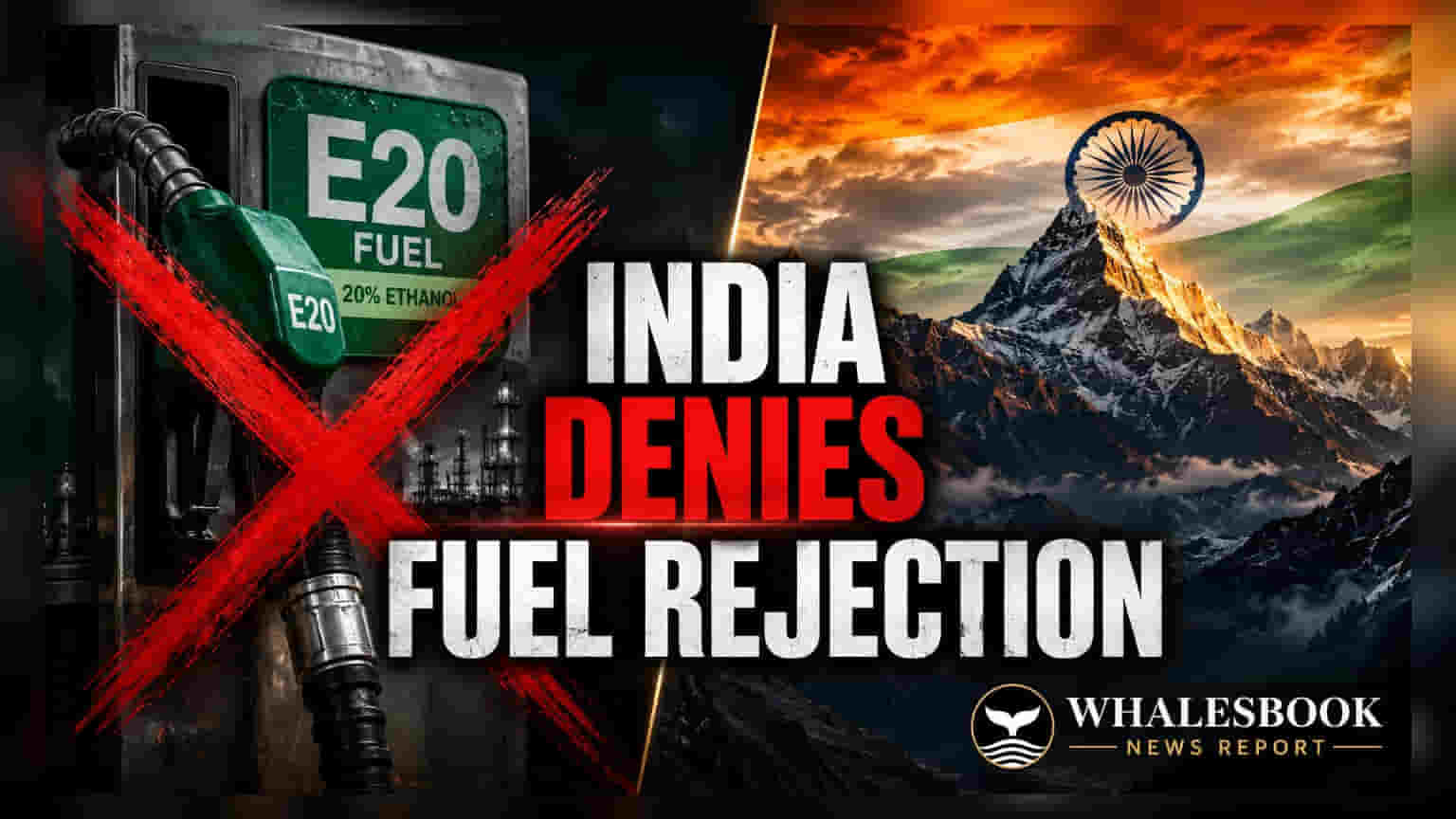
India's Ministry of Petroleum and Natural Gas has clarified that no offer to export E20 petrol to Bhutan was ever made. The ministry dismissed recent reports of a rejection as inaccurate, as the nation continues its nationwide rollout of ethanol-blended fuel.
What Happened
The Ministry of Petroleum and Natural Gas has officially refuted media reports alleging that Bhutan rejected an offer from India to export E20 petrol. In a statement released on Sunday, ministry officials confirmed that Indian Oil Marketing Companies (OMCs) did not initiate any such export proposal. Consequently, the reports describing a refusal from the neighboring country have been classified as incorrect by the government.
Why Reliability Matters for Investors
The clarification comes at a time when the domestic adoption of E20 fuel—petrol blended with 20% ethanol—remains a significant policy focus for the Indian energy sector. For investors, the performance and public perception of this fuel blend are critical, as they directly impact the operations of state-run OMCs like Indian Oil Corporation, Bharat Petroleum, and Hindustan Petroleum. These companies are central to the government's Ethanol Blended Petrol Programme, which aims to reduce India's dependence on crude oil imports and lower the overall fuel import bill.
Addressing Technical Concerns
Public and industry discussions have periodically centered on the compatibility and long-term impact of E20 fuel on vehicle engines. To mitigate these concerns, the Ministry of Information and Broadcasting has previously highlighted that the fuel underwent rigorous testing by institutions such as the Automotive Research Association of India (ARAI) and the Indian Institute of Petroleum (IIP). These tests were conducted to ensure that the blend meets performance and durability standards similar to conventional petrol.
The Industry And Regulatory Perspective
The government has actively addressed worries regarding potential vehicle damage. Official communications have clarified that using E20 fuel, provided it is compatible with the vehicle manufacturer’s specifications, does not automatically lead to the cancellation of a warranty. As the rollout progresses, the focus remains on the gradual transition of the automotive fleet to align with these newer blending standards. The government maintains that ethanol blending is a well-established practice globally, already utilized in major markets like Brazil to manage fuel formulations effectively.
What Investors Should Track
Going forward, investors in the oil and gas sector may monitor the progress of India’s ethanol-blending targets and the procurement capacity of OMCs. Key monitorables include the consistency of ethanol supply, the pace at which the automotive sector updates its fleet to be fully E20-compliant, and any updates from the Petroleum Ministry regarding fuel standards or international export discussions. These factors will continue to influence the long-term operational costs and policy alignment of major energy companies in India.