 Whalesbook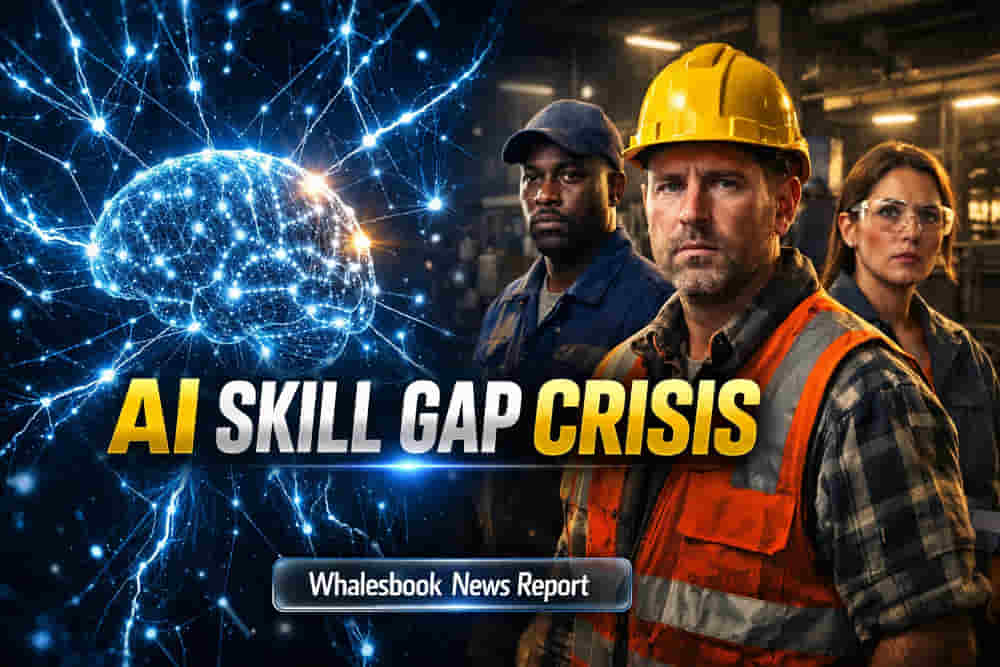
Global Readiness Lags on AI Impact
No nation is adequately prepared for the profound shifts artificial intelligence will bring to the workforce, according to Omar Abbosh, CEO of Pearson Global. He characterized the existing skill gaps as pre-existing issues exacerbated by AI's rapid integration into various industries. "No country is ready for AI today," Abbosh stated, noting that these challenges are not unique to emerging economies.
India's Vocational Skills Crisis
Abbosh specifically pointed to India's vulnerability, emphasizing an underestimated global shortage in vocational skills. This deficit spans developed and developing nations, underscoring a critical need for tradespeople like construction workers, electricians, plumbers, and mechanics. These roles are projected to remain indispensable, even as AI adoption accelerates.
Educators and Hiring Disruptions
Preparing the global population for an AI-enabled world requires a significant focus on training educators, Abbosh argued. He described a growing "signalling failure" in the labor market, where companies struggle to identify necessary skills, and job seekers use AI to generate resumes that are then screened by AI. This creates a disconnect, making effective hiring more challenging. Pearson's research estimates the cost of such skill mismatches at $1.1 trillion annually in the US alone and £100 billion in the UK, highlighting the immense economic stakes involved in aligning skills with future job demands.