 Whalesbook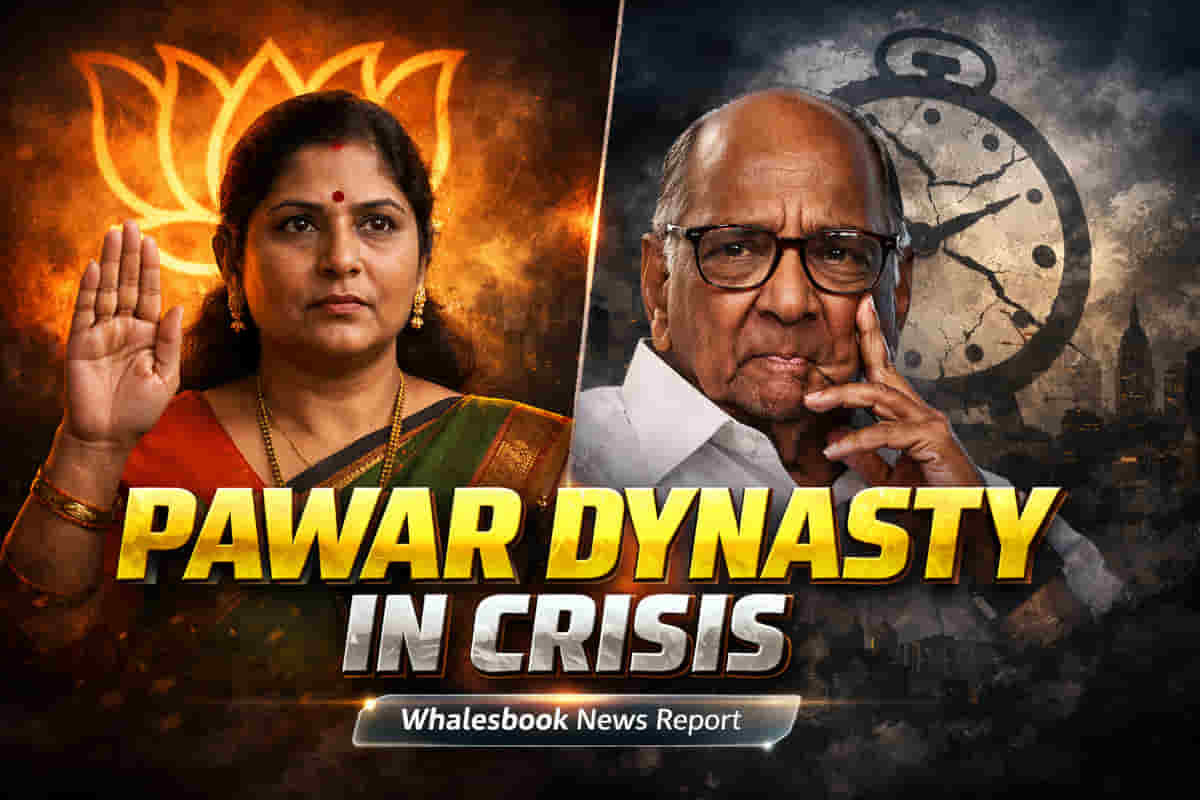
Political Power Play in Maharashtra
Sunetra Pawar's sudden induction as Maharashtra's Deputy Chief Minister has sharply exacerbated existing fractures within the Pawar political dynasty. The appointment reportedly proceeded without the full knowledge of NCP patriarch Sharad Pawar, indicating a significant internal power struggle. This move is widely interpreted as a strategic attempt to solidify the leadership of the Ajit Pawar faction, especially in the aftermath of Ajit Pawar's passing, and to forestall any potential merger with the Sharad Pawar camp. Critics suggest the Bharatiya Janata Party may have played a key role in orchestrating Sunetra Pawar's swift ascent.
Navigating Coalition Dynamics
The immediate challenge for Sunetra Pawar lies in managing the intricate dynamics of Maharashtra's coalition politics. She will need to skillfully balance the demands and pressures of governing alongside the dominant Bharatiya Janata Party and the Eknath Shinde-led Shiv Sena within the Mahayuti alliance. The haste surrounding her swearing-in has drawn criticism, with some arguing it blurs the lines between democratic mandates and dynastic entitlement. A more transparent selection process from within the party ranks, observers note, would have projected greater democratic maturity.
Future Prospects and Challenges
As a political newcomer who has also faced electoral defeat, Sunetra Pawar's tenure will likely depend on her ability to leverage the support of senior Nationalist Congress Party leaders. Her initial tests will include navigating the complex political landscape and securing victory in the upcoming Baramati assembly seat by-election. Sharad Pawar himself appears to be in a "Hamletian predicament" regarding the proposed merger of the NCP factions, having offered conflicting statements on its certainty, further complicating the party's internal unity amidst these developments.