 Whalesbook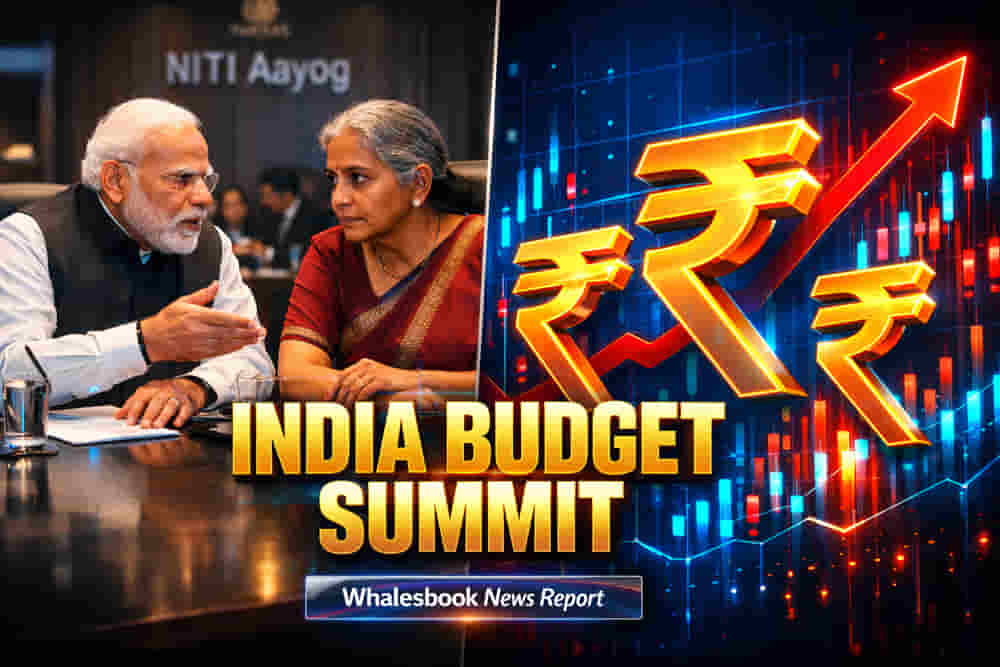
Prime Minister Narendra Modi, accompanied by Finance Minister Nirmala Sitharaman, convened with leading economists and subject matter experts at NITI Aayog on December 30. This critical consultation is a key part of the government's process to shape the upcoming Union Budget and chart India's economic direction. The meeting aimed to gather diverse perspectives on the current economic landscape and future policy imperatives.
The Core Issue
The primary focus was the upcoming Union Budget. Prime Minister Modi sought economists' assessments of the current economic situation and recommendations for future priorities. Discussions aimed to identify policy levers to stimulate growth, enhance macroeconomic stability, and address emerging domestic and global challenges proactively.
Economic Outlook and Reforms
Experts were expected to present analyses of India's domestic economic prospects and the prevailing global economic climate. Key areas included growth trajectory, fiscal management strategies, and essential structural reforms needed for sustainable long-term development. The goal is to foster an environment conducive to sustained economic expansion and resilience.
Pre-Budget Consultation Process
This interaction is part of a regular governmental practice. Pre-Budget consultations with economists and stakeholders ensure policy decisions are informed by a broad spectrum of expert opinion and real-world insights. NITI Aayog serves as a crucial platform for these discussions, contributing to a robust economic strategy.
Financial Implications
While specific measures were not detailed, the consultation's outcomes will likely influence government spending, taxation, and sector-specific incentives in the Union Budget. These decisions directly impact corporate profitability, investment flows, and overall market sentiment, potentially affecting various stock market sectors.
Market Reaction
Pre-Budget consultations typically generate cautious optimism. Indications of pro-growth policies or significant reforms can lead to positive market movements. Conversely, concerns about fiscal deficits or policy uncertainty might temper sentiment. Actual market reaction depends on the final budget proposals.
Official Statements and Responses
Official statements after private consultations are usually limited. However, the Finance Minister's presence highlights the importance of expert advice. The government often reiterates its commitment to incorporating these views post-Budget presentation.
Future Outlook
Insights gathered are crucial for the government's forward-looking economic strategy. They will guide policies aimed at enhancing India's competitiveness, creating employment, and achieving sustained high-growth development in the coming fiscal year and beyond.
Impact
The insights gathered will shape policies influencing India's economic growth, fiscal health, and market stability. A well-crafted budget can boost investor confidence and market performance. This consultative approach lays the groundwork for robust economic progress.
Impact Rating: 8/10
Difficult Terms Explained
- NITI Aayog: National Institution for Transforming India, a government think tank that replaced the Planning Commission, tasked with promoting cooperative federalism and economic development.
- Union Budget: The annual financial statement presented by the government detailing its revenue and expenditure for the upcoming fiscal year.
- Macroeconomic stability: Maintaining a stable economy characterized by low inflation, steady economic growth, and a manageable fiscal deficit.
- Fiscal management: The government's strategic approach to managing its revenue, expenditure, and debt levels.
- Structural reforms: Fundamental changes to an economy's underlying structure designed to improve efficiency, productivity, and long-term growth potential.