
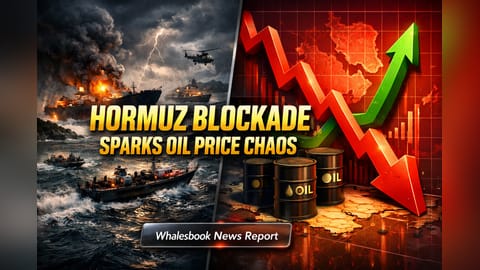
Hormuz Tensions Trigger Oil Price Surge
Escalating tensions in the Strait of Hormuz are driving global oil prices higher, with Brent crude recently surpassing $100 a barrel. The spike follows military actions involving the US, Israel, and Iran, and strong rhetoric suggesting a prolonged conflict. Historically, disruptions to this crucial waterway have caused oil prices to jump, with extended blockades leading to significant, lasting price increases. The market is now factoring in not just immediate supply concerns, but the broader risk of regional instability impacting global trade.
China's Oil Dependency and Stance
China is blaming the United States and Israel for military actions it calls 'illegal operations' causing disruptions in the Strait of Hormuz. As the world's largest crude importer, China heavily relies on oil shipments through this waterway, making it highly vulnerable to instability. Beijing is calling for de-escalation, with its foreign ministry warning that escalating conflicts benefit no one. This puts China in a difficult position, balancing its need for energy with its geopolitical stance.
Airlines Face Rising Fuel Costs
The aviation industry is directly impacted by soaring oil prices due to its high sensitivity to fuel costs. Major airlines like Air China, Air France-KLM, and Cathay Pacific are already raising fuel surcharges and fares. They are also rerouting flights to avoid high-risk areas, increasing operational costs. Analysts expect airline profits to remain under pressure if fuel prices stay high, which could reduce travel demand if ticket prices become too expensive. Costs are being passed directly to consumers.
Broader Global Economic Risks Emerge
Threats of a sustained, severe conflict, including targeting infrastructure, signal the risk of a far more damaging confrontation than temporary price spikes. Such a scenario threatens global energy security. A prolonged conflict could severely cut supply, leading to persistent inflation, worsening existing supply chain problems, and straining economies that rely heavily on energy imports, like China. Other major economies, including Japan, Germany, and France, also face imperiled energy security and have called for restraint. The potential for a wider conflict increases the uncertainty priced into oil, posing a significant risk to global economic stability.
Outlook: Continued Volatility Expected
Analysts expect oil prices to remain volatile, with upward pressure likely as long as tensions in the region continue or worsen. The possibility of more supply disruptions, combined with current prices already reflecting geopolitical risk, suggests oil may stay high. This means the aviation sector will likely face sustained high operating costs, potentially leading to more fare hikes and changes in flight routes, affecting global travel and economic recovery.