 Whalesbook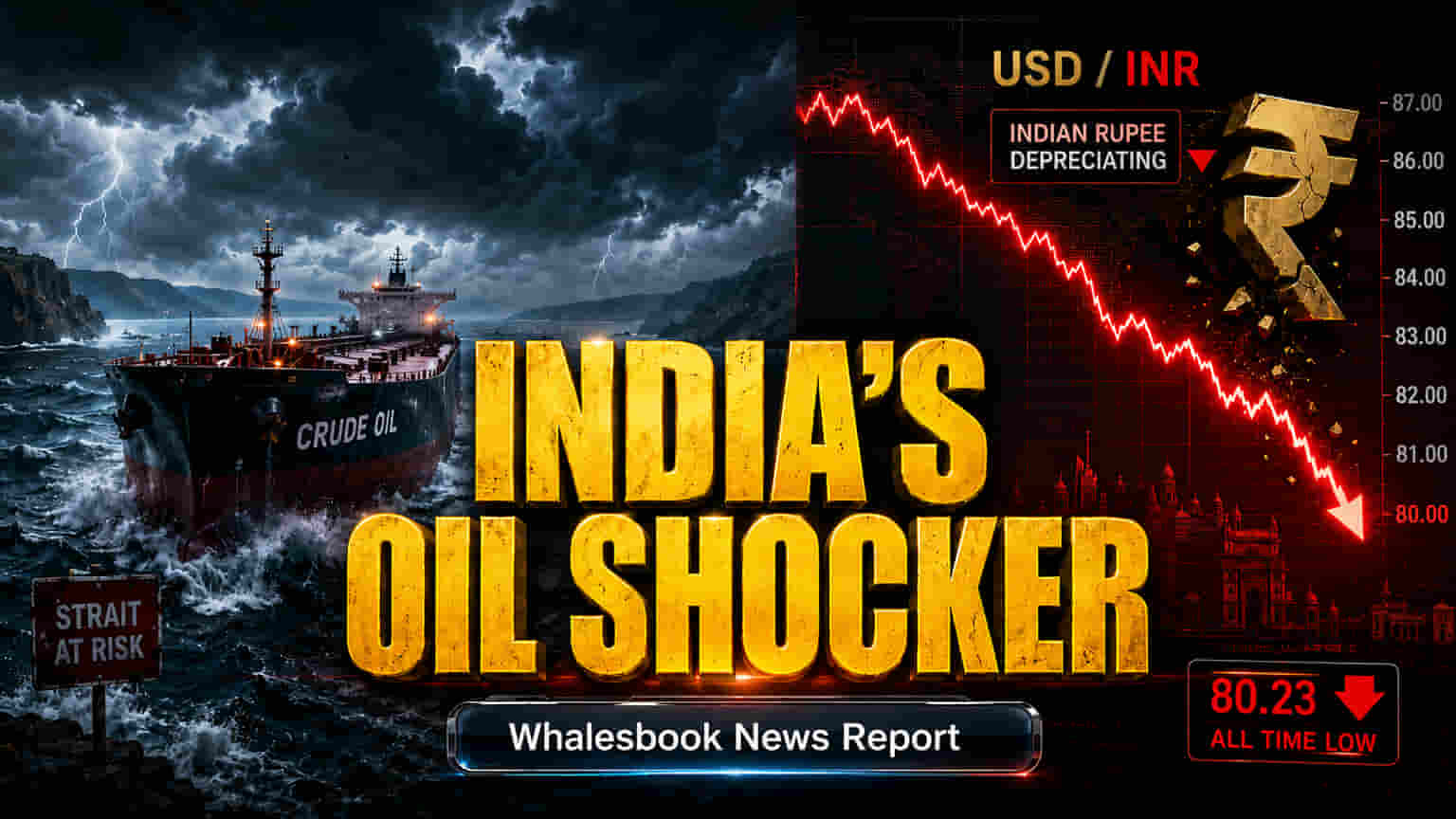


Global Supply Routes Threatened
This move toward bilateral trade signals a major shift in global energy security. The Strait of Hormuz, a key transit point for about a fifth of the world's seaborne oil and LNG, is no longer reliably open. This has turned what was a temporary disruption into a long-term problem for supply. Maritime traffic has dropped by over 90% from pre-conflict levels due to increased caution, high insurance costs, and the threat of sea mines. As a result, the market faces ongoing supply shortages, leading to high and volatile energy prices that affect economies worldwide.
Disruption at Strait of Hormuz
Hormuz Transit Severely Cut
The conflict involving the United States and Iran, now in its third month, has severely disrupted normal passage through the Strait of Hormuz. This key shipping route, which handled an estimated 20 million barrels of oil and LNG daily in normal times, now sees much less traffic, with some reports suggesting it operates at only about 5% of its previous levels. This sharp decrease, caused by increased caution and the closure of Iranian ports by U.S. forces, has pushed oil companies to find more complicated and expensive alternative routes, like the Panama Canal, where traffic has risen by 11%. The disruption is seen not as a short-term event but as a long-term barrier to global energy supply, with continued disruptions expected into the autumn.
New Bilateral Oil Deals Face Hurdles
In response to the Strait's closure, major oil importers are preparing for bilateral talks with Iran, possibly involving transit routes near Larak Island and through Omani waters. While this could bring small improvements from current low levels, the process is slow, unclear, and could be suddenly cut off. This piece-by-piece approach differs greatly from smooth, open transit, likely resulting in supply that's harder to predict, higher costs for importers, and ongoing price swings as individual deals are made and reworked. This differs from some forecasts, like J.P. Morgan Global Research, which expects Brent crude to average $60 a barrel in 2026, believing long disruptions are unlikely despite tensions.
India Faces Heightened Economic Risk
India is especially vulnerable to these ongoing energy price shocks. Around 46% of its crude oil imports come from the Middle East, making the country highly sensitive to price changes, currency drops, and the resulting strain on its finances. Moody's cut to India's 2026 GDP growth forecast by 0.8 percentage points to 6% directly reflects these challenges, driven by weaker consumer spending, investment, and factory output. Persistently high energy costs are expected to increase inflation, with Moody's forecasting India's average inflation at 4.5% for 2026, up one percentage point from earlier estimates.
Economic Growth Forecasts Vary
While Moody's offers a serious outlook, other organizations provide different views. The OECD forecasts India's GDP growth at 6.1% for 2026–27, slightly above Moody's figure. Ernst & Young estimated the West Asia conflict could reduce India's actual GDP growth by about 1 percentage point and increase consumer price inflation by 1.5%. The Reserve Bank of India projects CPI for FY27 at 4.6%, with a peak of 5.2% quarterly, exceeding the RBI's 4% target. The Indian government's Economic Survey anticipates growth between 6.8% and 7.2% for FY27, showing a considerable difference from the general consensus. The global energy sector, however, shows a positive outlook, with Moody's expecting sector earnings to increase by at least 10% in 2026 due to limited shipping and high oil prices.
India's Deep Dependence on Imports
The ongoing challenges in energy transit create a risky economic situation for countries that import fuel. India relies heavily on imported crude oil (about 90% of its needs) and LPG (over 90% of shipments pass through the Strait of Hormuz), making it very prone to price surges and supply interruptions. High energy costs directly increase expenses for fuel and transportation, affecting production costs in industries that use a lot of energy and reducing consumers' ability to buy goods. This situation puts pressure on government budgets through higher subsidies for fuel and fertilizers, potentially limiting planned spending on infrastructure. Additionally, money sent back by Indian workers in Gulf countries might decrease, adding further economic strain. This situation highlights a long-term weakness that makes India's economic path highly dependent on outside geopolitical events, unlike countries with more varied economies or substantial domestic energy sources.
Oil Prices Expected to Remain High
Moody's expects the current price swings to continue, with Brent crude likely staying between $90-$110 per barrel for most of 2026, marked by significant fluctuations. The agency's main forecast suggests a slow stabilization of shipping and energy supplies through 2026 and 2027, supporting its projection of 6% growth for India in both years. However, if disruptions are prolonged or tensions escalate, prices could consistently exceed $110, potentially doubling inflation and further affecting growth forecasts beyond the current 6% estimate. Analysts indicate that India's central bank might need to maintain or even increase interest rates, depending on how long geopolitical tensions last and how much they impact inflation.