

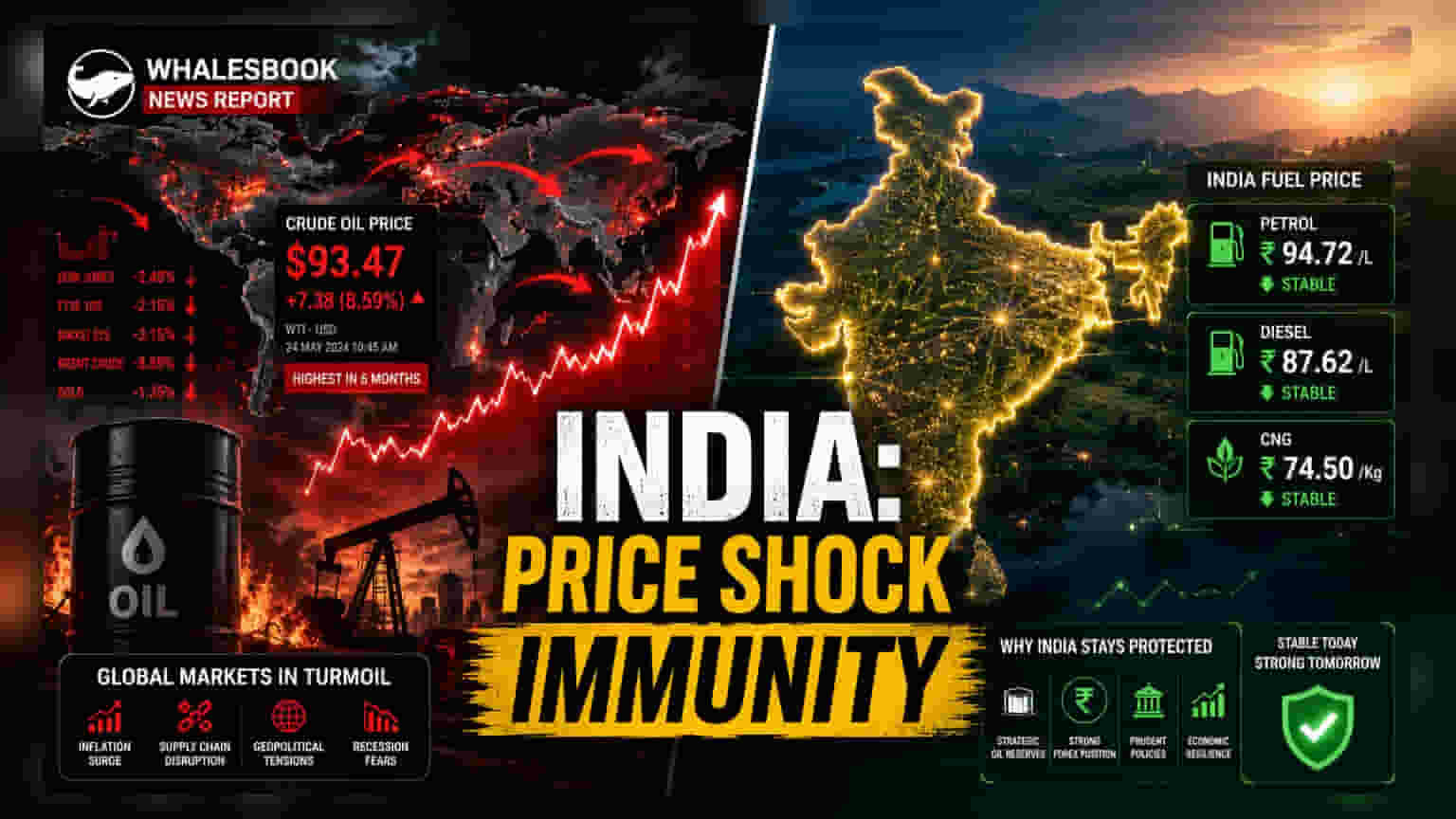
State-owned oil marketing companies in India absorbed ₹2.1 lakh crore in losses during the recent global oil price spike to shield consumers from record retail costs. While supply chains have normalized, this financial strain on OMCs and the government exchequer remains a key monitorable for the energy sector.
As the Strait of Hormuz returns to normal operations, India’s oil sector is assessing the financial impact of the recent period of high global crude prices. When global crude costs climbed from $70 to over $120 per barrel, Indian oil marketing companies—primarily Indian Oil Corporation, Bharat Petroleum, and Hindustan Petroleum—maintained retail fuel prices for 76 consecutive days. This strategy, while beneficial for domestic inflation management, resulted in substantial financial pressure on these firms.
Impact on Oil Marketing Companies
The policy of absorbing the difference between high global crude costs and controlled retail prices led to significant under-recoveries for state-owned oil companies. Exchange filings and reports indicate that these entities faced combined losses of ₹74,781 crore specifically between April and June 2026. Over the broader period covering the final quarter of FY26 and the first quarter of FY27, total under-recoveries reached ₹2.1 lakh crore. Such heavy reliance on balance sheets to absorb losses can limit the funds available for capital spending on refinery upgrades or green energy transitions in the near term.
Government Fiscal Support and Policy Measures
To manage this crisis, the government implemented a mix of fiscal and regulatory actions. In late March, a reduction in excise duty by ₹10 per litre on petrol and diesel provided some relief, costing the national exchequer approximately ₹1.7 lakh crore. Additionally, the government managed retail prices through gradual upward revisions of about ₹7.50 per litre between May 15 and May 25, 2026. Recent updates show that commercial LPG prices were further reduced on July 1, 2026, as supply chains stabilized.
Strategic Infrastructure and Diversification
India’s ability to maintain domestic fuel availability was supported by its extensive refining capacity, which exceeds 256 million tonnes per year. Long-term infrastructure investments, including the tripling of pipeline networks and the expansion of LPG import terminals, allowed the country to process a wider variety of crude grades. By diversifying its import sources to 41 countries—including new suppliers such as Guyana and Libya—and increasing imports of Russian crude, India reduced its risk exposure to regional supply bottlenecks. Furthermore, the government utilized export duties on diesel and aviation turbine fuel to prioritize domestic supplies during the peak of the crisis.
Investors are now tracking how these companies plan to recover their margins as global prices move toward pre-crisis levels. The focus will be on whether the state-owned refiners can balance the need for debt reduction with the requirements for ongoing capital spending projects aimed at expanding refining capacity and moving toward cleaner energy alternatives.