

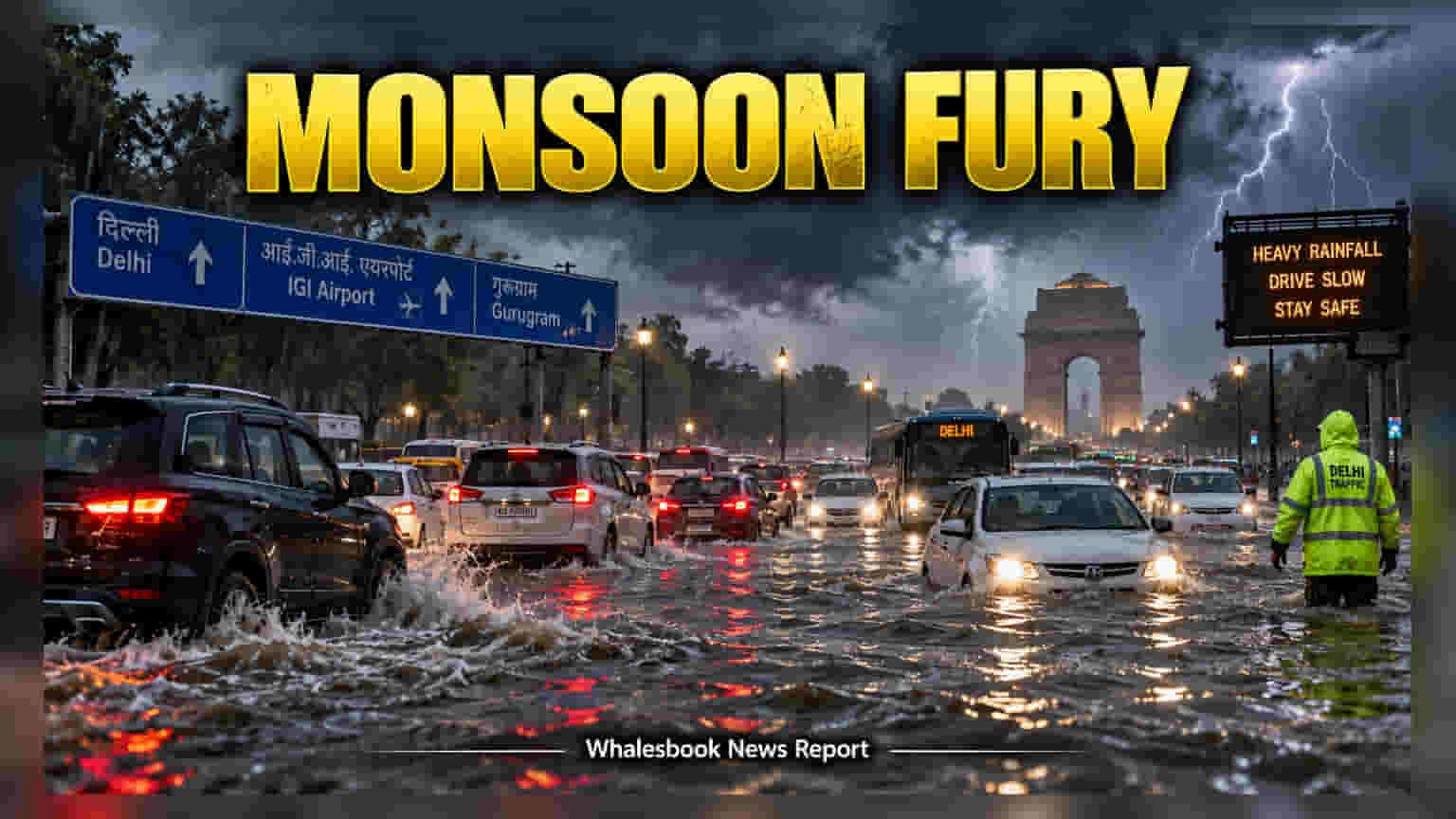
Severe monsoon rains have caused major flooding across 11 districts in Bihar, with the Ganga River breaching its historic flood level and affecting over 10 lakh people. Simultaneously, North India faces logistics challenges, including flight delays at Delhi’s IGI Airport. Investors are monitoring these disruptions for their potential impact on local supply chains, food inflation, and the broader agricultural economy.
Heavy rainfall across North and East India has triggered a significant humanitarian and operational crisis as of September 5, 2026. The situation in Bihar has turned critical, with the Ganga River at Patna’s Gandhi Ghat reaching a water level of 50.53 meters, surpassing its previous highest flood level (HFL) of 50.52 meters. State authorities report that over 10.26 lakh people across 11 districts, including Bhojpur and Vaishali, have been directly impacted by the rising waters. With major rivers like the Kosi, Gandak, and Burhi Gandak flowing well above their danger marks, the immediate concern remains the safety of residents and the preservation of standing Kharif crops, which are vital to the regional economy.
The logistical landscape in North India has also seen substantial disruption. In Delhi, severe waterlogging has hampered road connectivity, particularly on the National Highway-48 (NH-48), creating significant delays for commuters and freight movement. Airlines, including IndiGo and Air India, have issued travel advisories for passengers using the Indira Gandhi International (IGI) Airport, citing potential flight delays caused by the adverse weather conditions. While airport operations have largely continued, the cumulative impact of these delays can affect supply chain efficiency and, if prolonged, increase costs for logistics providers.
From an investor’s perspective, these climate-related events carry broader economic implications. The agricultural sector remains the most sensitive, as the combination of historic flooding and the context of a 'below-normal' monsoon season in 2026 raises concerns about crop yields. Disruptions to harvest and distribution networks often contribute to upward pressure on vegetable and grain prices, potentially influencing short-term food inflation figures.
Beyond inflation, the repair and restoration of critical infrastructure in states like Bihar, Uttar Pradesh, and Madhya Pradesh are expected to require increased government spending on civil works and relief operations. While this may provide a temporary volume boost for regional construction and engineering firms, it also signifies a challenge to the immediate regional consumption story. Investors should track official updates regarding crop damage assessments, food price trends in the coming weeks, and any government announcements related to disaster relief funds, which could impact the capital expenditure cycle in the affected regions.