

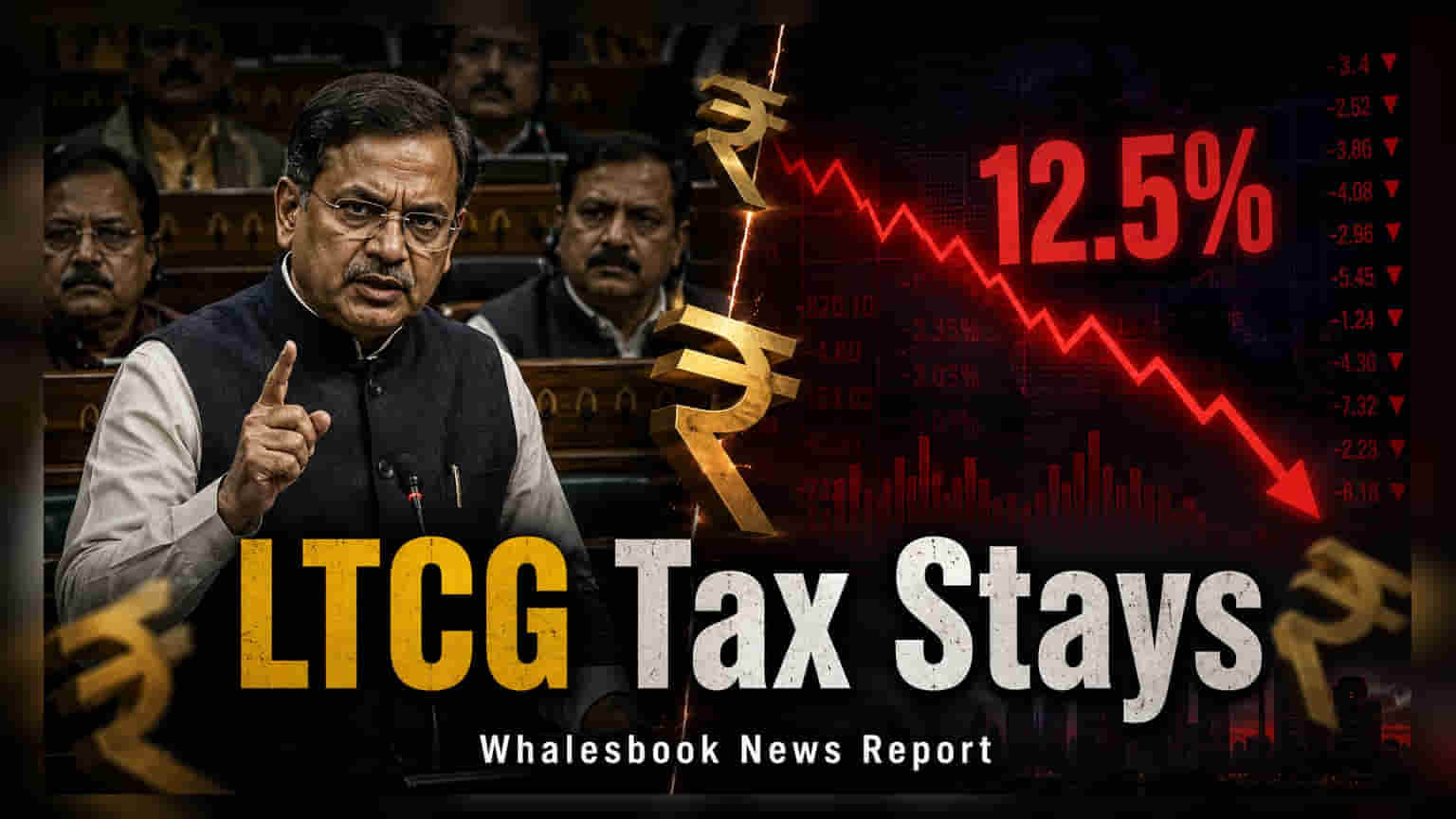
The Indian government has confirmed it has no immediate plans to remove the long-term capital gains tax on stock investments for domestic retail investors. This clarification follows market speculation regarding tax rationalization during the budget process. Finance Minister Pankaj Chaudhary noted that current tax policies remain unchanged, though they undergo periodic annual reviews.
Detailed Coverage
The Indian government has clarified that it does not intend to abolish the long-term capital gains (LTCG) tax on equity investments for domestic retail investors. Finance Minister of State Pankaj Chaudhary confirmed this stance while addressing the Lok Sabha on Monday. The statement serves to address ongoing market speculation that the government might be considering changes to the current tax structure, which has been a point of discussion among retail investors and market analysts.
Current Tax Framework and Policy Reviews
Under the existing tax structure, gains from the sale of equity shares held for more than a year are subject to LTCG tax. The government maintains that all tax policies, including those related to capital gains, are subject to evaluation as part of the annual budgetary process. By clarifying this, the government aims to provide policy stability for domestic participants who have been calling for changes, particularly after recent adjustments were made to the tax treatment of other asset classes.
Rationalization for Foreign Portfolio Investors
While domestic tax rules remain unchanged, the government has moved to simplify tax treatment for Foreign Portfolio Investors (FPIs) concerning government securities. FPI investments in these securities are now exempt from income tax on interest and capital gains. This shift is designed to align India’s investment framework with international norms and encourage stable, long-term capital inflows from institutional investors. The Ministry stated that this rationalization helps India remain competitive in the global market, where investors often evaluate the cumulative impact of various taxes and transaction costs, such as the Securities Transaction Tax (STT).
Context of Investor Concerns
The demand for reviewing the LTCG tax has often been linked to the argument that high transaction costs can affect the net returns for retail investors. While overseas investors have previously expressed concerns that the combination of LTCG and STT reduces India's market competitiveness, the Finance Ministry continues to focus on achieving parity across different asset classes. For investors, the takeaway is that the taxation framework for domestic equities is currently stable. The primary monitorable remains the annual Union Budget, where potential adjustments to tax rates or slabs are typically proposed and discussed.