

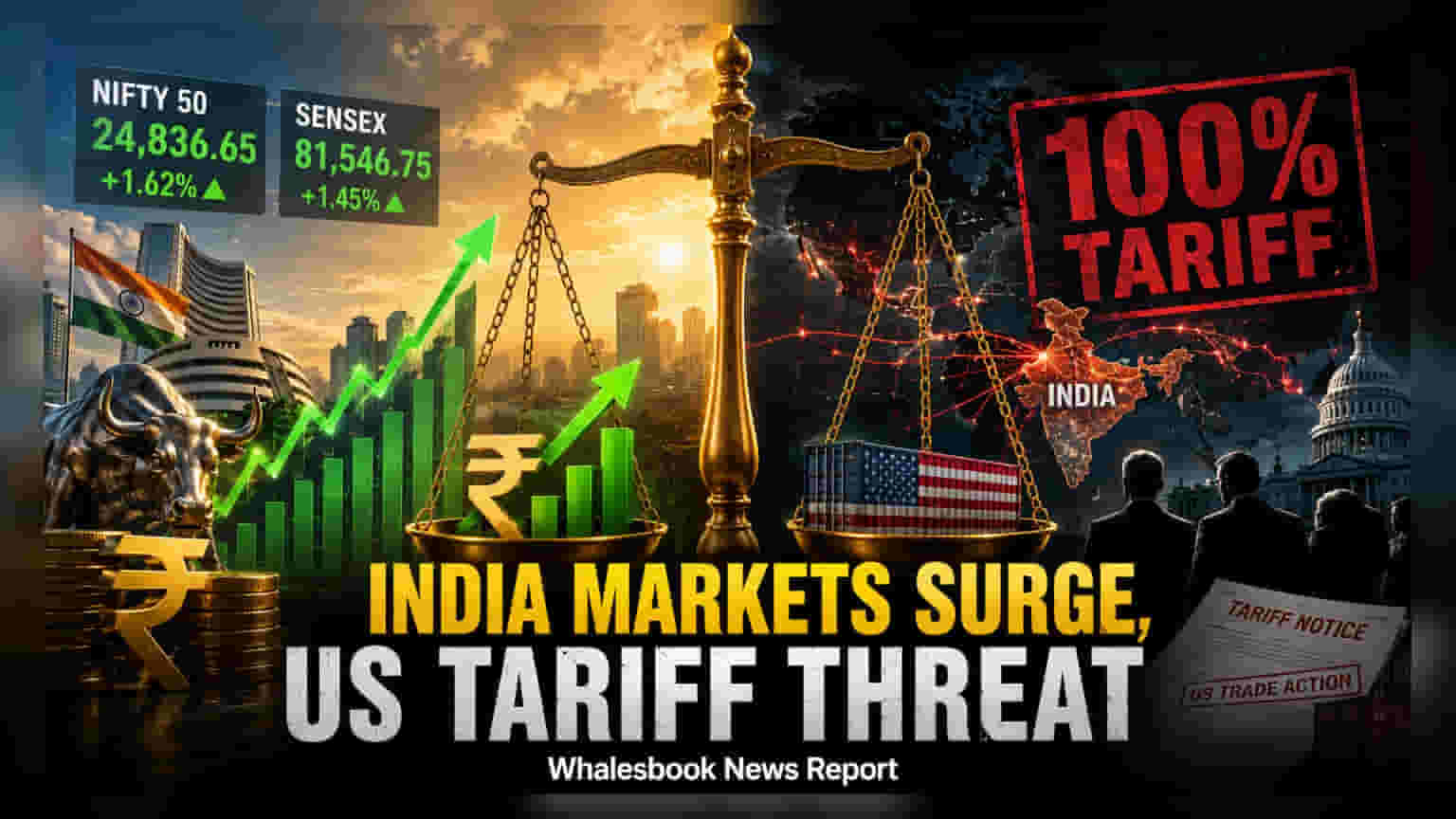
Indian markets rallied with the Nifty crossing 24,200, supported by ₹2,981 crore in net foreign inflows. While IT and pharma stocks led the gains, a proposed US Senate bill targeting energy trade with Russia poses a potential long-term risk to Indian exports. Investors are now balancing this liquidity-driven momentum with upcoming quarterly earnings reports.
Indian stock indices recorded a strong start as the week progressed, with the Nifty 50 index crossing the 24,200 mark and the Sensex gaining 850 points. The market rally was supported by broad-based buying across the information technology, metal, and pharmaceutical sectors. This positive momentum was largely fueled by consistent demand from institutional investors, with foreign institutional investors net buying ₹2,981.87 crore worth of shares, while domestic institutional investors added ₹998.02 crore to their holdings.
Rupee Resilience and Global Energy Factors
The Indian rupee maintained its strength against the US dollar for the fourth consecutive session. This appreciation was notable given that Brent crude oil prices recently climbed above $87 per barrel, a move typically negative for the rupee due to India's high oil import bill. The currency's performance was bolstered by a weaker US dollar and anticipation surrounding upcoming US Federal Reserve policy decisions, which helped offset concerns related to rising hostilities in West Asia.
Emerging Geopolitical Trade Risks
Despite the current market optimism, a potential regulatory hurdle is emerging from the United States. A bipartisan US Senate bill has cleared an initial procedural stage, aimed at increasing economic pressure on Russia. The legislation includes provisions that could impose tariffs of up to 100% on goods from countries that continue to be significant energy customers of Russia. Since India maintains energy trade relations with Russia, this bill creates a layer of uncertainty for sectors reliant on international trade. Investors should monitor whether this bill advances through the legislative process, as it could impact trade policies and economic relations in the future.
Focus Shifts to Earnings Season
The market is now entering a critical phase of the first-quarter earnings season. Corporate performance will be the primary indicator for whether the recent market gains are supported by underlying business growth. Investors are shifting their attention to upcoming financial results from companies including Dabur India, Eicher Motors, Bajaj Housing Finance, and TeamLease. The ability of these firms to manage raw material costs and maintain profit margins amidst fluctuating global energy prices and potential trade policy changes will be key monitorables in the coming weeks.