 Whalesbook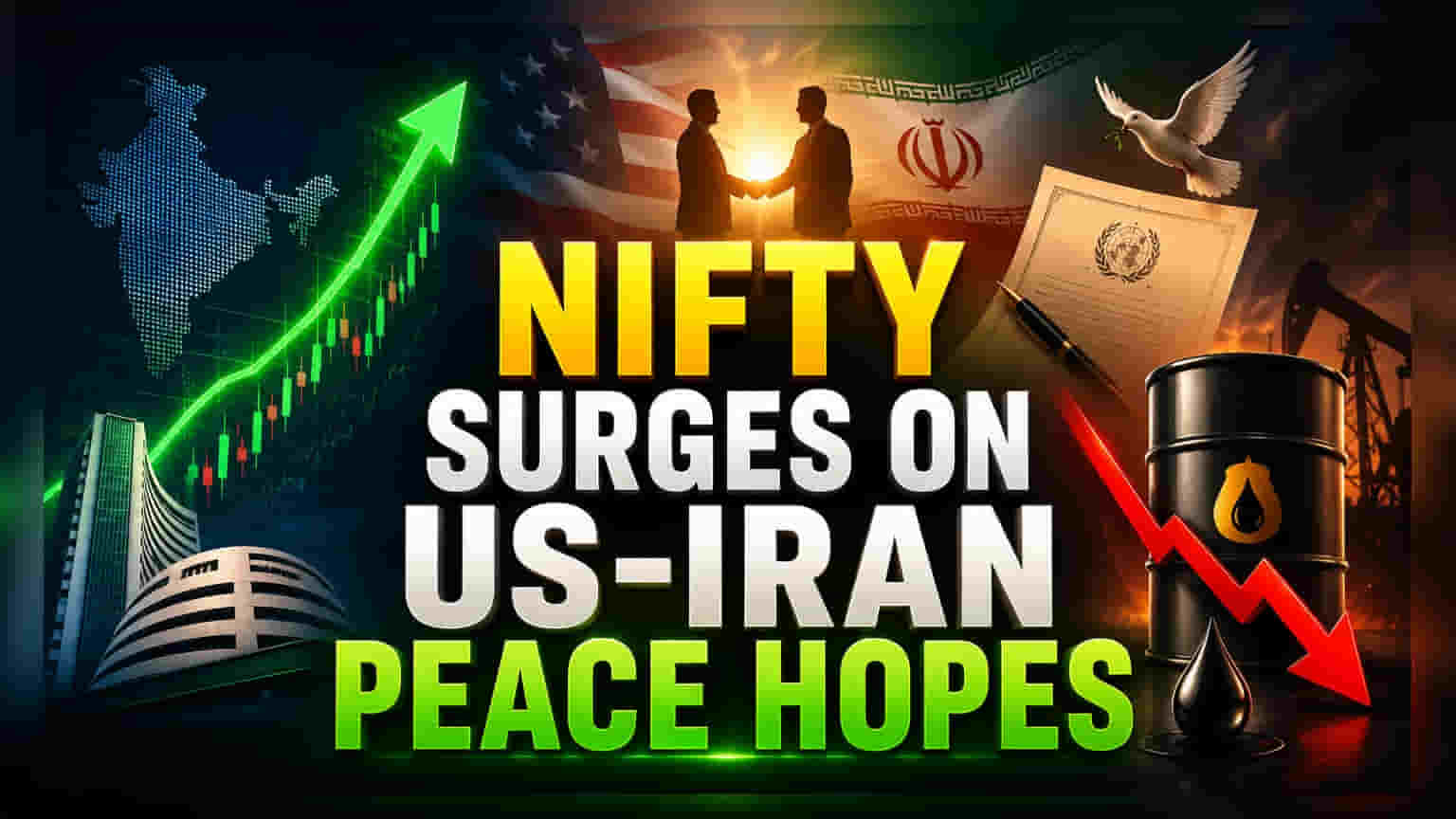


Indian markets surged on Monday as news of a US-Iran peace agreement boosted global investor sentiment. The Nifty 50 is nearing the 24,000 mark, driven by hopes of reduced geopolitical tensions and a potential cooling of crude oil prices, which is a major positive for net oil-importing economies like India.
What Happened
Indian equity markets opened the week with significant optimism, with the benchmark Nifty 50 index climbing toward the 24,000 level. The rally follows a global positive sentiment sparked by the announcement of a tentative peace agreement between the United States and Iran. Following the weekend development, which aims to end military operations in West Asia, major indices witnessed a sharp uptick, with the Sensex also seeing a substantial recovery. Market participants are responding to the potential for a stable geopolitical environment, which has historically been a key factor in global equity performance.
Why This Matters For Investors
For Indian investors, the primary implication of the US-Iran peace deal is the potential impact on crude oil prices. India is a net importer of oil, meaning a significant portion of the country's import bill is tied to global energy costs. Any move toward regional stability and the potential reopening of critical shipping routes like the Strait of Hormuz could help reduce pressure on oil prices. Lower crude prices generally act as a tailwind for the Indian economy, helping to keep inflation in check and supporting corporate profit margins, particularly in sectors like aviation, paints, and chemicals, which have high raw material exposure to petroleum products. Conversely, the market rally is largely sentiment-driven; sustained growth will depend on how quickly these diplomatic announcements translate into actual operational stability on the ground.
How Investors May Read This
The current market surge reflects a relief rally as investors unwind risk premiums that had built up over months of conflict. While the headline news is positive, advanced investors often look past the immediate reaction to monitor the execution of the memorandum of understanding. The agreement is currently in its initial stages, with technical talks and official signings scheduled for the coming week. Any delay or friction during these negotiations could lead to renewed volatility. Furthermore, banking and financial stocks often track broader economic sentiment closely, and their performance in the coming days will serve as a bellwether for whether domestic demand remains resilient against these global developments.
The Bigger Business Context
Historically, equity markets in India have shown sensitivity to Middle Eastern geopolitical developments due to the direct link between oil supply and macroeconomic health. The prospect of a 'permanent' end to military action, as announced by mediators, provides a sense of predictability that was missing in previous months. For sectors like aviation, lower fuel costs are a major operational benefit, but investors should remain mindful that company-specific factors, such as debt levels and domestic demand, remain equally important for long-term performance. The rally also highlights the importance of Foreign Portfolio Investor (FPI) flows, which tend to pick up when geopolitical risk premiums drop.
What Investors Should Track
Moving forward, the key monitorable will be the actual implementation of the peace deal and its impact on oil prices. Investors should track official updates on the reopening of the Strait of Hormuz and any statements from global energy bodies regarding supply stability. On the domestic front, monitor upcoming RBI policy commentary and central bank signals from the United States, as these will influence liquidity and interest rate expectations. While the market is currently optimistic, it remains important to focus on quarterly earnings and company-specific fundamentals rather than relying solely on sentiment-driven moves.