

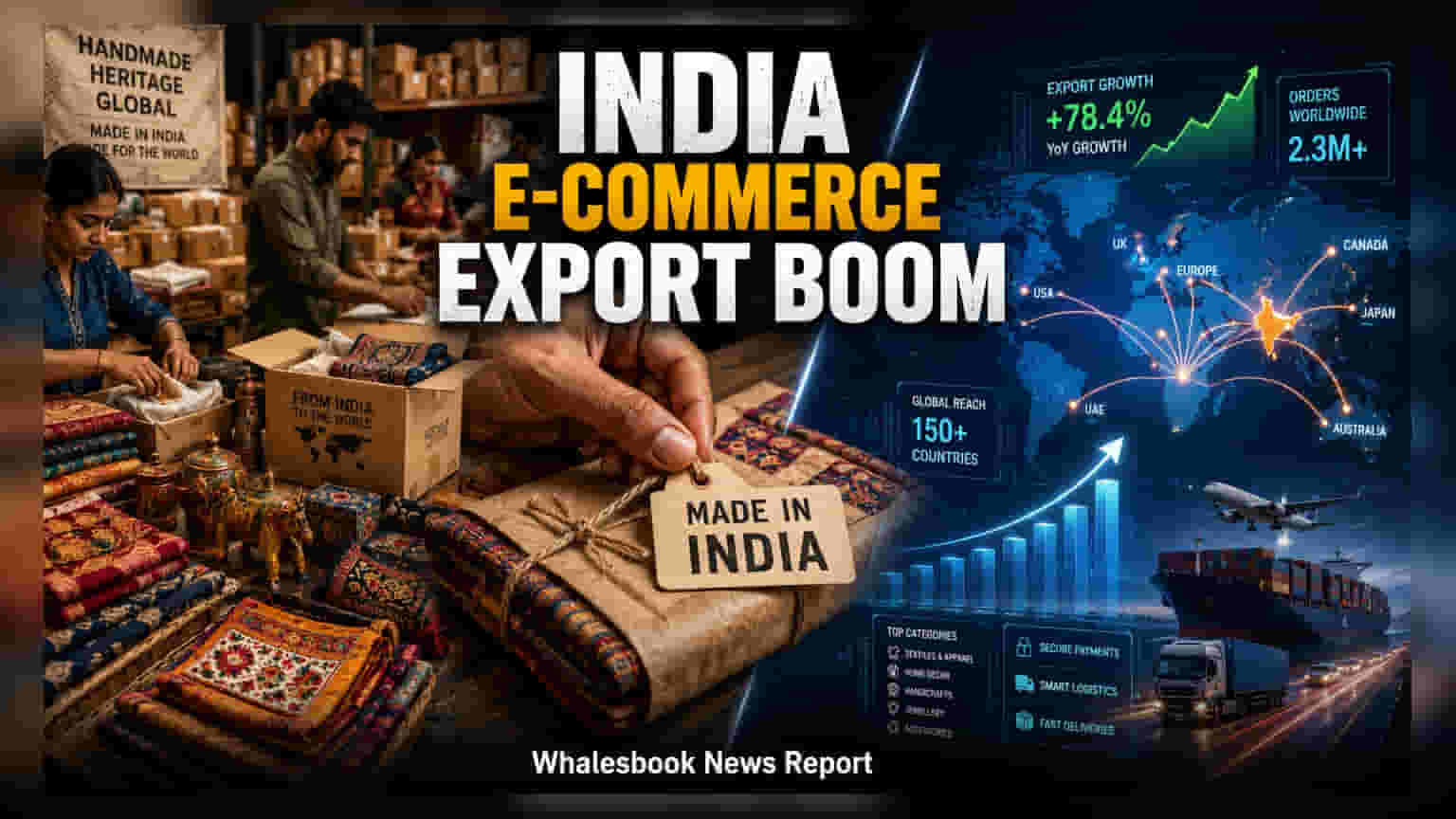
India has eased FDI norms, allowing foreign-funded e-commerce firms to hold inventory exclusively for exports. This shift aims to lower compliance costs for MSMEs and boost global sales. However, traders have raised concerns about potential misuse, urging strict monitoring to ensure these goods do not enter the domestic market.
Detailed Coverage
The Indian government has introduced a significant policy update, permitting foreign-funded e-commerce entities to maintain inventory specifically for export purposes. This move is designed to simplify the cross-border selling process for Indian manufacturers, particularly those in the Micro, Small, and Medium Enterprises (MSME) sector. By allowing e-commerce platforms to manage inventory, the policy aims to improve delivery efficiency and increase the visibility of Indian-made handicrafts, jewelry, and fashion products in international markets.
Impact on Export Infrastructure and Logistics
Industry experts suggest that this change will encourage international e-commerce companies to increase capital spending on India’s logistics and warehousing networks. By shifting the inventory management responsibility, the policy intends to reduce the compliance burden that previously restricted many smaller Indian sellers from expanding abroad. This infrastructure development is expected to support faster order fulfillment, a crucial factor for remaining competitive in global markets. The policy is viewed as a logical step toward aligning India's e-commerce landscape with global trade standards, potentially attracting more investment into dedicated export-focused facilities.
Concerns Over Domestic Market Protection
The policy update has also triggered caution regarding how these provisions will be implemented. Groups such as the Confederation of All India Traders have expressed concerns that without strict oversight, these inventory-holding permissions could be misused as a gateway for foreign-funded firms to engage in domestic retail, a sector where FDI rules remain highly restrictive. To prevent such diversion, there are calls for mandatory storage of export inventory within customs-bonded warehouses, which would allow authorities to track goods more effectively and ensure they are exclusively shipped outside India.
Potential Geopolitical and Regulatory Risks
Beyond operational concerns, some trade analysts have pointed to the risk of international pressure. There is a fear that by opening this segment for exports, India may face future demands from trading partners to grant similar access for domestic sales or for products sourced globally. This could complicate ongoing trade negotiations and create challenges for the government in maintaining a clear distinction between export-oriented activities and domestic retail commerce.
Investors and stakeholders will now watch for the specific operational guidelines that the government may release to enforce these rules. The effectiveness of this policy will likely depend on the clarity of the reporting requirements for companies and the government’s ability to conduct audits that prevent the leakage of export-intended inventory into the local Indian market.