

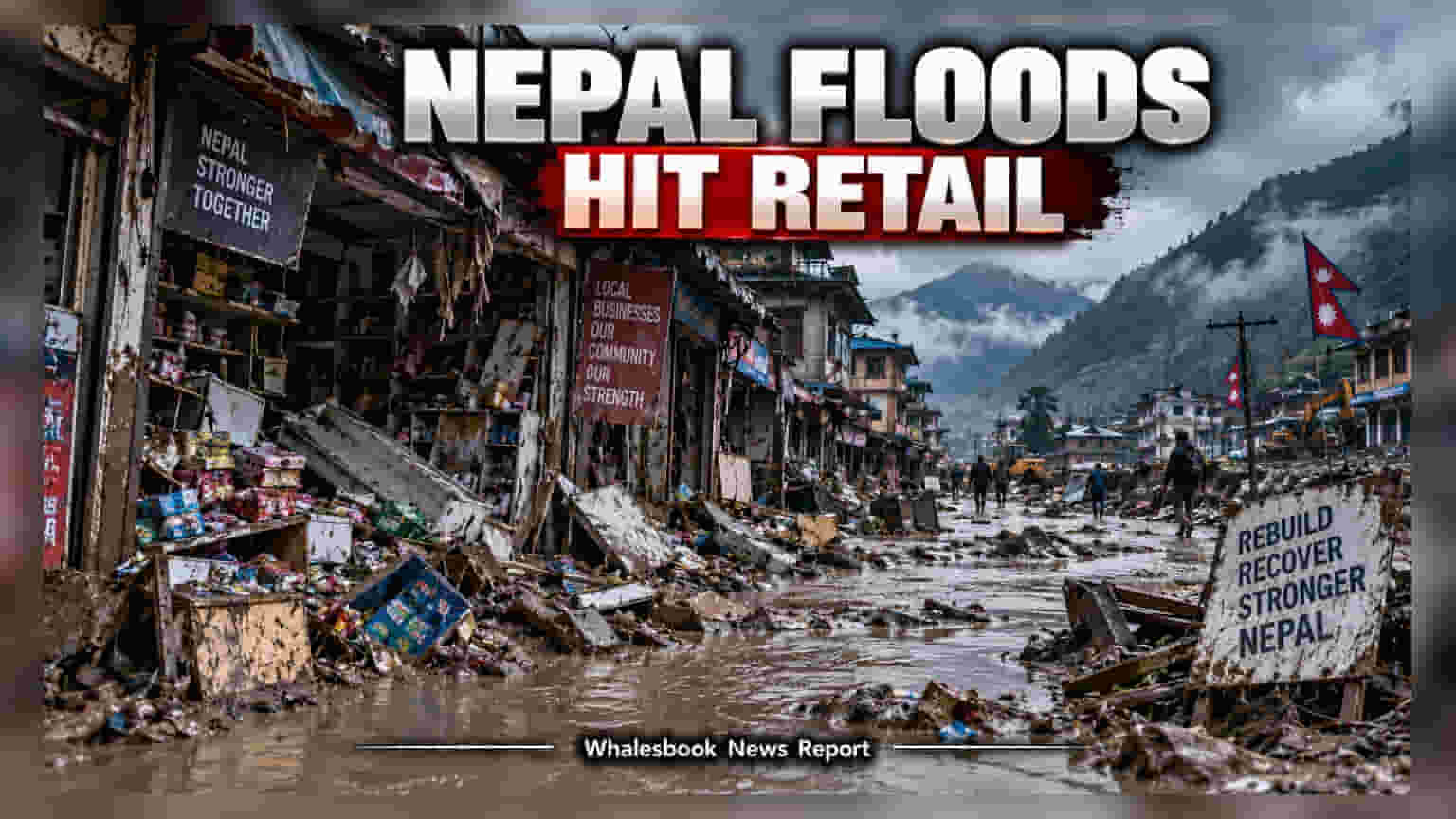
Catastrophic floods in Nepal have blocked major trade crossings and destroyed critical inventory just before the crucial Dashain and Tihar festival shopping season. With damages estimated at up to $5 billion, retailers face severe supply chain issues, rising debt, and a sharp decline in consumer spending, creating significant economic strain.
A massive glacial lake outburst flood that struck northern Nepal on August 26, 2026, has created a severe economic crisis for the nation’s retail and logistics sectors. The disaster, which resulted in over 1,200 confirmed deaths and extensive infrastructure damage, occurred just weeks before the critical Dashain and Tihar festival season. This period typically accounts for a significant portion of annual consumer spending, but retailers are now struggling with decimated inventory and paralyzed supply chains.
The destruction has severely affected trade logistics, specifically at the Rasuwagadhi and Tatopani border crossings with China. These routes serve as the primary gateways for consumer goods and essential imports. With these crossings closed or compromised, businesses are unable to replenish stock, leading to significant shortages of goods at a time when consumer demand should be at its peak. For small and medium-sized retailers, the lack of insurance coverage for such events, combined with existing bank loans, poses a high risk of insolvency if they cannot move inventory and generate revenue.
Individual companies are already reporting material financial hits. For instance, SPG Automobiles reported the loss of approximately 100 electric vehicles due to the flooding, valued at 450 million Nepali rupees. Such incidents highlight the broader vulnerability of companies holding high-value inventory in regions prone to extreme weather. The inability to deliver these goods during the 45-day festival window threatens to severely impact the company's annual sales performance.
From a macroeconomic perspective, the situation is dire. Total reconstruction costs are estimated to reach between $4 billion and $5 billion, representing nearly 10% of Nepal's total GDP. This massive capital requirement forces the government to divert funds from development projects to emergency reconstruction, likely slowing down overall economic activity. Furthermore, the banking sector faces potential stress as reports emerge of destroyed bank branches and disruptions to core operations, which may increase the risk of bad loans in the coming quarters.
For investors and market participants, the primary concern is the longevity of the supply chain disruption. The ability of the government to restore the Rasuwagadhi and Tatopani trade routes is a key monitorable that will dictate how quickly retailers can recover. Additionally, analysts are watching for government-led relief and concessional financing packages, which may determine whether smaller retail businesses can survive the current cash flow crunch or if the sector will face widespread closures in the post-festival period.