

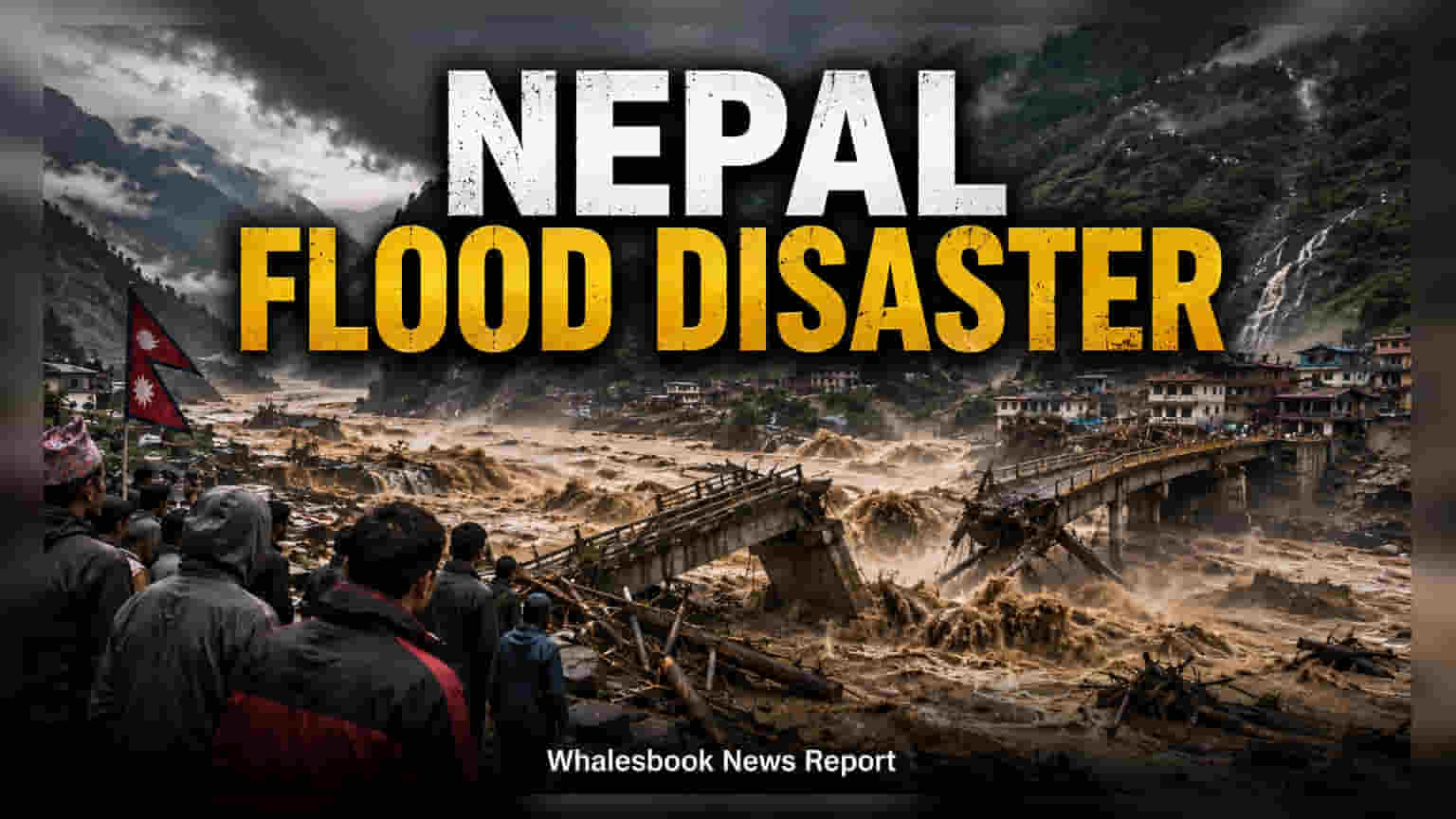
A severe flash flood in Nepal, triggered by a glacial outburst, has damaged 12 hydropower projects, removing 430 MW from the national grid. The disaster has led to a sharp drop in Nepal’s hydropower stocks and raised concerns regarding cross-border energy stability and downstream flood risks for Indian border states.
A catastrophic flash flood, triggered by a glacial lake outburst following a 4.4 magnitude earthquake in Tibet, has caused significant destruction across central Nepal on August 26, 2026. The disaster has resulted in at least 95 confirmed deaths and hundreds of people missing, including 133 Indian nationals. Beyond the humanitarian crisis, the event has caused major damage to critical infrastructure, creating immediate challenges for the region’s energy sector.
Impact on Energy Infrastructure
The power sector is facing a severe setback after the flood destroyed or damaged at least 12 hydropower projects. The affected facilities, which include the Rasuwagadhi, Sanjen, and Upper Trishuli 3A plants, represent a combined loss of approximately 430 MW of power generation capacity. This loss is significant for Nepal’s national energy grid and could disrupt planned cross-border power supply arrangements, as these projects are key to the region's energy output. Repair timelines remain uncertain given the current scale of destruction to bridges and access routes, which will likely complicate the transport of heavy equipment to the affected sites.
Market Reaction and Economic Risks
The stock market in Nepal has responded to the infrastructure damage with a sharp sell-off in the power sector. On August 26, the NEPSE (Nepal Stock Exchange) Hydropower Index dropped by 2.84%, reflecting investor concern over the potential for long-term project delays, revenue loss, and rising insurance costs. Investors are assessing the financial health of the affected power producers, as the recovery of these assets will likely require significant capital expenditure, which could put pressure on company balance sheets.
Downstream Concerns for India
For Indian observers, the impact of the flood extends beyond the border. With water levels rising, Indian authorities have alerted the states of Bihar and Uttar Pradesh, particularly in areas near the Gandak River, due to the risk of downstream flooding. The Indian government has initiated humanitarian and medical aid, emphasizing the importance of monitoring supply chain and logistic disruptions in the region.
Looking ahead, the key monitorables for market participants include the official damage assessments from the affected power producers, the timeline for potential grid restoration, and any updates on insurance claims. Investors may also track how this climate-related event influences the future design and risk-mitigation strategies for Himalayan infrastructure projects, as the recurrence of such extreme weather events remains a material risk for the region’s energy developers.