

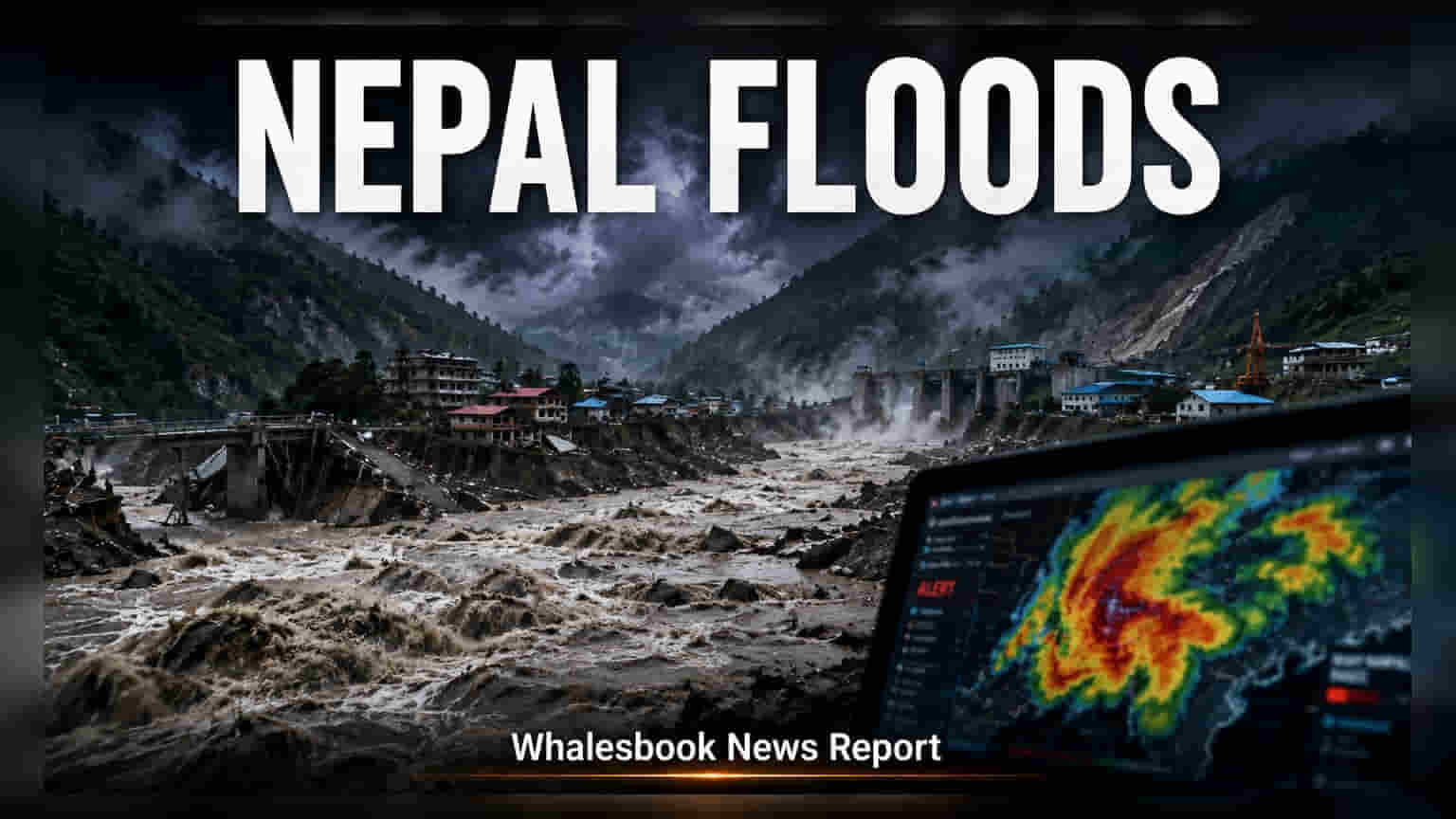
A devastating flash flood in Nepal’s Rasuwa district has caused significant infrastructure damage, impacting multiple hydropower projects. The Nepal Stock Exchange (NEPSE) fell 1.38% on August 26, 2026, as investors braced for the financial impact of insurance liabilities and asset destruction. Border regions in India, particularly Bihar and Uttar Pradesh, remain on high alert for potential downstream flooding.
On August 26, 2026, a major flash flood struck Nepal’s Rasuwa district, near the Tibet border, following an event linked to an ice avalanche and prolonged heavy rainfall. The disaster has resulted in significant loss of life, with dozens reported dead or missing, and has caused widespread damage to critical infrastructure, including roads, bridges, and over a dozen hydropower projects in the region.
The Nepal Stock Exchange (NEPSE) reacted to the news, closing down 1.38% as investors assessed the potential operational and financial strain on the corporate sector. The hydropower sector faced the sharpest decline, dropping 2.84% amid concerns over physical damage to dams, power stations, and energy generation assets. Simultaneously, the non-life insurance sector saw a decline of 3.90% as market participants factored in the risk of a surge in insurance claims following the destruction of property and infrastructure.
Beyond the financial markets, authorities in India have raised concerns regarding potential downstream impact. The Gandak River system, which flows from Nepal into India, is being closely monitored. Authorities in Bihar and Uttar Pradesh are on high alert, preparing for potential inundation as water levels rise due to the discharge from the flash flood. Rescue coordination is currently underway with support from regional and international agencies.
For investors and market observers, the immediate focus will be on the detailed damage assessments for the affected infrastructure projects and the broader exposure of the insurance industry to this event. Key monitorables for the coming days include the pace of recovery efforts, the ability of power companies to restore operational capacity, and the potential risk of further flooding in downstream Indian districts.