

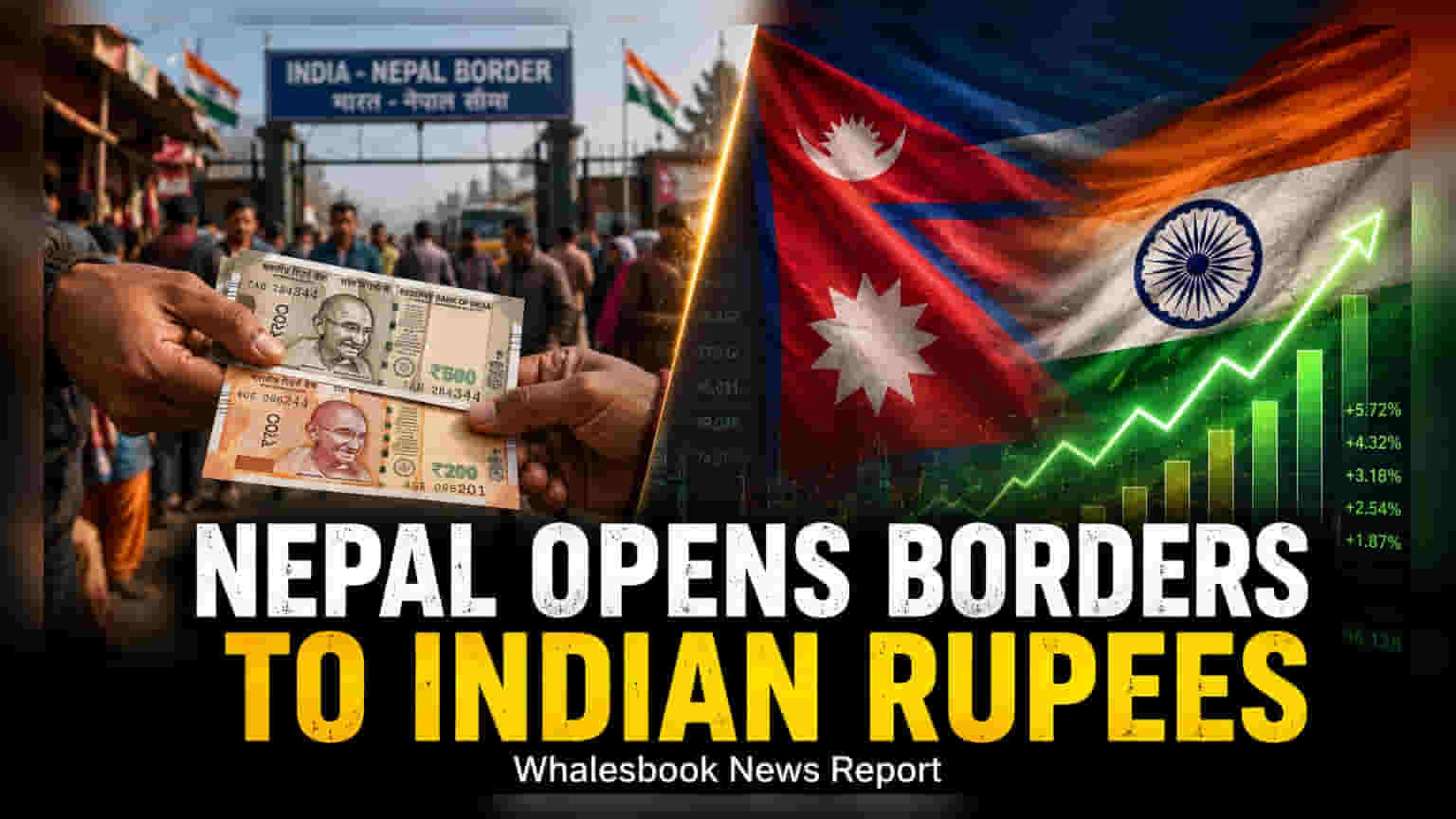
Nepal Rastra Bank has officially permitted citizens to carry up to ₹25,000 in newer Indian ₹200 and ₹500 notes. This policy clarifies existing travel and trade rules for Indian tourists and residents. Older currency issued before November 2016 remains strictly prohibited.
Detailed Coverage
The Nepal Rastra Bank (NRB) has issued a formal notice to clarify and reinforce rules regarding the movement of Indian currency across the border. Under these guidelines, both Indian and Nepali citizens are permitted to carry Indian banknotes of ₹200 and ₹500 denominations. The total value of these notes must not exceed ₹25,000 per person. This update is particularly relevant for the tourism sector, as it simplifies financial transactions for Indian travelers visiting Nepal and facilitates smaller-scale cross-border trade.
Regulation of Banknote Denominations
The central bank emphasized that these permissions apply only to currency issued on or after November 9, 2016. This date is significant as it aligns with the timeline of India’s demonetization process. Any Indian currency notes of ₹500 and ₹1,000 denominations issued prior to this date remain strictly banned within Nepal. The notification ensures that while newer legal tender is accepted within the specified limit, the restriction on legacy notes continues to be enforced to prevent the circulation of invalidated currency.
Cross-Border Currency Constraints
Beyond the limits on Indian rupees, the NRB notice highlights specific restrictions on foreign currency movement. Nepali citizens are restricted from bringing Indian currency into Nepal from any nation other than India. Similarly, it is prohibited to carry Indian currency from Nepal to any third country. For those traveling with other foreign currencies, the policy allows bringing in up to the equivalent of USD 5,000 without needing a formal customs declaration. Any amount exceeding this threshold must be declared to customs authorities upon arrival.
Historical Context and Economic Impact
These regulations stem from the policy shifts that occurred following India's demonetization in November 2016. At that time, Nepal imposed wide-ranging restrictions on Indian notes to manage the influx of invalidated tender. By clarifying the current limit of ₹25,000 for specific denominations, the NRB aims to provide operational certainty for financial institutions and travelers. Investors tracking the travel and tourism sector may view this as a positive step for regional mobility, as clearer financial regulations typically support smoother business operations between the two neighboring economies. The effectiveness of this policy will depend on the continued adherence of border authorities and the consistent application of these limits by travelers.