 Whalesbook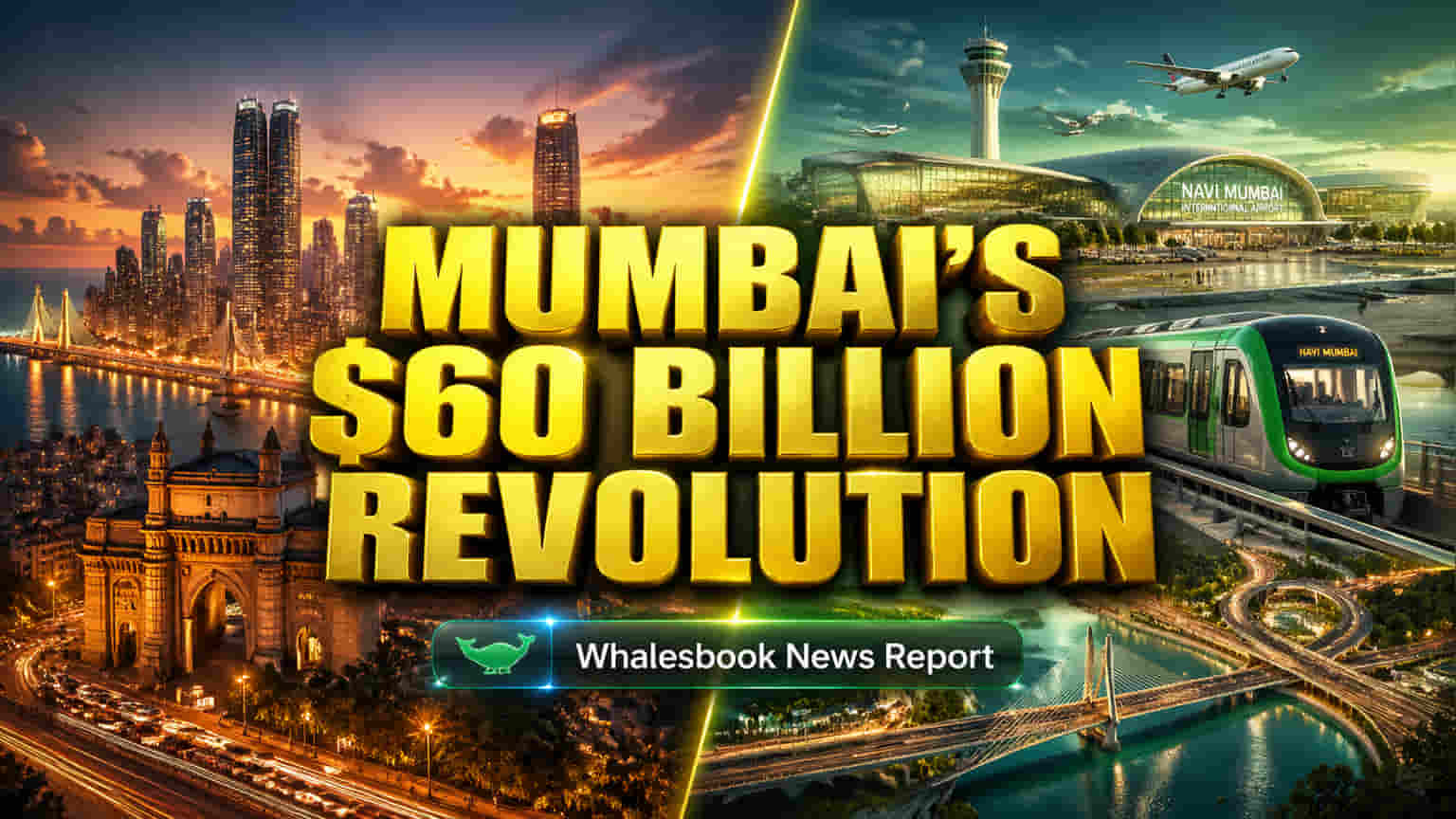


Integrated Transport Network Takes Shape
Mumbai's ambitious infrastructure plan uses a comprehensive, linked approach, moving beyond single projects to create a connected metropolitan region. Over $60 billion is being invested in a broad development plan. Key among these are new metro lines, planned to connect the city, suburbs, and business hubs. This network, alongside projects like the Mumbai Trans Harbour Link (Atal Setu), coastal roads, and airport links, is part of a single transport system. The goal is to create smooth journeys, cut commute times (which often exceed 100 minutes daily), and ease pressure on the crowded local trains carrying over 7 million passengers daily on infrastructure built for far fewer. This linked planning aims to improve how well things run, important for investors.
New Economic Hubs Spreading Out
This wave of infrastructure development is driving economic change and expanding Mumbai's reach. The Navi Mumbai International Airport, expected to partially open by September 2025, is forming the base for new economic zones. This project, with expressways and suburban rail extensions, aims to create multiple growth centers, turning outlying areas into busy hubs. Experts like Niranjan Hiranandani, Chairman of NAREDCO, note that this connectivity boost raises property values and improves quality of life, as buyers now seek shorter commutes and integrated living. The concept of a 'third and fourth Mumbai,' powered by new infrastructure, aims to spread wealth and ease pressure on older areas. This expansion is also backed by MMRDA's large land holdings (over 83,000 acres) set aside for planned development to fund future projects.
Affordability Crunch and Project Hurdles
Mumbai's housing affordability is a major issue, with nearly 50% of households spending half their income on home loan payments. This is worsened by rising property prices near new infrastructure. Projects like the Atal Setu cut travel time dramatically, boosting Navi Mumbai's property market. However, they can also drive up prices nearby, straining affordability for the middle class. Additionally, Mumbai's focus on cars, especially along new routes like the Coastal Road or Atal Setu, risks traffic management and environmental goals – a key issue for policymakers. Execution risks also persist; the Navi Mumbai International Airport has faced delays from land acquisition and rehabilitation problems, pushing back its opening several times. The sheer scale and timing of these projects create complex logistical challenges. Poor management could lead to higher costs and longer completion times.
Vision for a Connected Metropolis by 2035
Mumbai's transformation plan aims to create a 'networked metropolitan region' with predictable, shorter travel times. By 2035, Mumbai aims to feel 'smaller,' with multiple hubs and more certainty about where people live and work. This is part of MMRDA's 'Mumbai in Minutes' plan, aiming to reach any point in the city within 59 minutes. India's overall infrastructure sector is booming, with projected investments of ₹23–24 lakh crore in the coming two years, showing strong government backing and demand in areas like renewable energy, roads, and data centers. This ongoing investment, alongside Mumbai's infrastructure upgrades, will help the city run more efficiently, vital for its growth as a global economic center.