 Whalesbook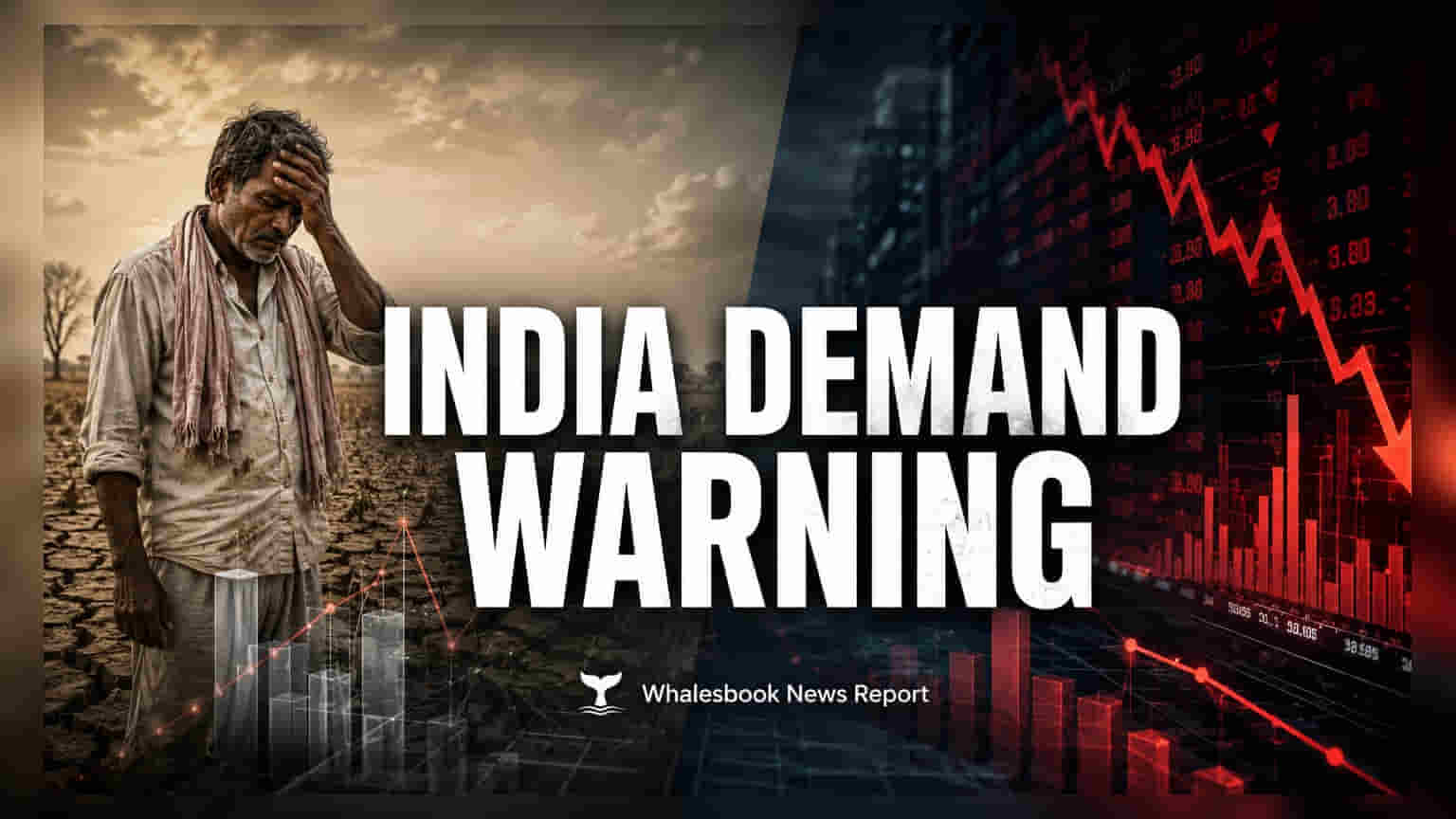


The Macroeconomic Balancing Act
India’s economic narrative is currently defined by a duality of structural strength and near-term vulnerability. The Finance Ministry’s latest assessment characterizes the national outlook as one of "cautious resilience," acknowledging that while headline indicators like PMIs remain in expansionary territory, the confluence of exogenous shocks is testing the nation's stability. While the Reserve Bank of India (RBI) recently projected a steady real GDP growth rate of 6.9% for FY27, the central bank simultaneously flagged downside risks stemming from geopolitical volatility and a persistent conflict in West Asia, which continue to disrupt global supply chains and elevate energy costs.
The Monsoon-Inflation Nexus
The India Meteorological Department’s (IMD) latest forecast paints a sobering picture, projecting southwest monsoon rainfall at 90% of the long-period average. This below-normal outlook, influenced by an emerging El Niño pattern, is particularly sensitive for the agricultural sector, where nearly half of India's farmland relies on rain-fed irrigation. Economic analysts warn that a deficient monsoon could lead to a localized uptick in retail inflation—potentially 170 basis points higher than in normal rainfall years—due to pressures on food crop yields. Consequently, the government remains in a state of sustained policy vigilance, balancing its long-term commitment to a 4% inflation target (with a 2% tolerance band) against immediate, volatile shifts in upstream costs.
The Forensic Bear Case: Structural Vulnerabilities
The primary threat to the current growth momentum lies in the potential for a weakened rural economy to dampen aggregate demand. Historical data confirms that rural consumption—a vital pillar for sectors ranging from fast-moving consumer goods (FMCG) to two-wheelers and consumer durables—is highly sensitive to monsoon performance. Should agricultural incomes fail to meet expectations, companies may struggle to maintain margins, as price-sensitive rural consumers are likely to down-trade toward value-based products rather than absorb increased costs. Furthermore, India’s fiscal space is being pressured by elevated global energy prices and a depreciating rupee, which complicates the pass-through of costs from wholesale to retail. While the country holds adequate buffer stocks of foodgrains, the "single most consequential variable" remains the duration of disruptions in the Strait of Hormuz, which directly dictates India's energy import bill and domestic fuel pricing dynamics.
Forward Outlook
Despite these mounting pressures, institutional analysts emphasize that India is better positioned to navigate these shocks than in previous downturns, thanks to stronger corporate balance sheets and improved irrigation intensity. Policymakers are expected to continue leveraging structural reforms and fiscal consolidation—targeting a 4.3% fiscal deficit for FY27—to anchor economic stability. Investors, however, should anticipate heightened volatility in equity markets as they react to unfolding data on rainfall distribution throughout June and July, alongside potential fluctuations in global financial risk sentiment.