

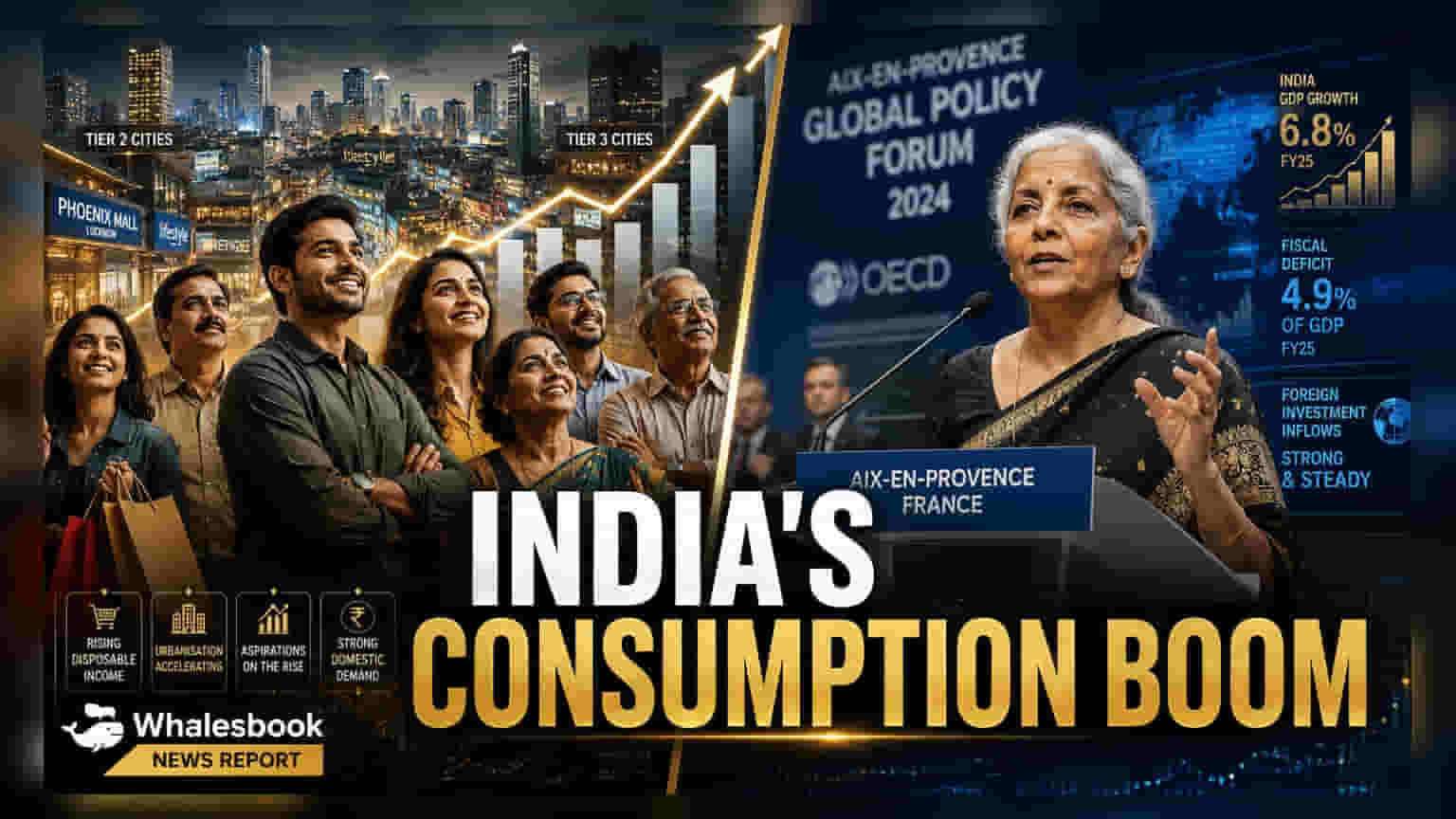
India's middle class is expected to account for 93% of total consumer spending by 2036, according to Finance Minister Nirmala Sitharaman. This shift is increasingly driven by economic activity in Tier 2 and Tier 3 cities rather than just large metros. The trend is supported by government policies aimed at financial inclusion, tax relief, and improved digital access.
The composition of India's consumption economy is undergoing a structural shift, with the middle class expected to contribute 93% of total consumer spending by 2036. Finance Minister Nirmala Sitharaman highlighted this transformation, noting that the demographic is moving from being a mere beneficiary of economic growth to its primary engine.
Decentralization of Economic Growth
A critical aspect of this transition is the geographic spread of consumption. While major metropolitan centers like Mumbai and Bengaluru remain vital, economic momentum is increasingly originating from approximately 500 emerging cities. This decentralization indicates that smaller urban centers are becoming significant hubs for business, services, and household spending. For investors, this shift suggests that companies with pan-India distribution networks and those targeting regional demand may benefit more than businesses focused solely on top-tier cities.
Impact of Government Policy
Several government initiatives have been cited as enablers of this middle-class expansion. Programs such as the Pradhan Mantri Jan Dhan Yojana have played a role in bringing large sections of the population into the formal financial system. This transition to formal banking improves access to credit for small businesses and individuals, which in turn supports household consumption. Furthermore, adjustments to personal income tax structures, including the increase in exemption limits, have left more disposable income in the hands of families.
Digital Infrastructure and Consumption
The rapid expansion of digital infrastructure is another pillar supporting this demographic shift. Enhanced connectivity and the availability of financial services in regional languages have helped formalize informal businesses and streamlined consumer access to credit and commerce. This digitalization lowers the cost of doing business and allows enterprises to tap into markets that were previously difficult to reach.
Focus on Skill Development
Beyond immediate consumption, government focus has also turned toward long-term economic participation. Initiatives ranging from vocational training in university townships to specialized programs in sectors such as audiovisual production, gaming, and STEM are aimed at increasing workforce productivity. By improving skill levels, the government aims to increase household income stability, which is essential for sustained middle-class growth.
While this demographic trend paints a positive picture for long-term domestic consumption, the actual benefit for specific sectors—such as consumer goods, banking, housing, and retail—will depend on how successfully individual companies align their products and pricing with the evolving needs of these emerging city consumers. The key monitorable for investors will be whether companies can maintain profit margins while expanding their reach into these growing but cost-conscious markets.