

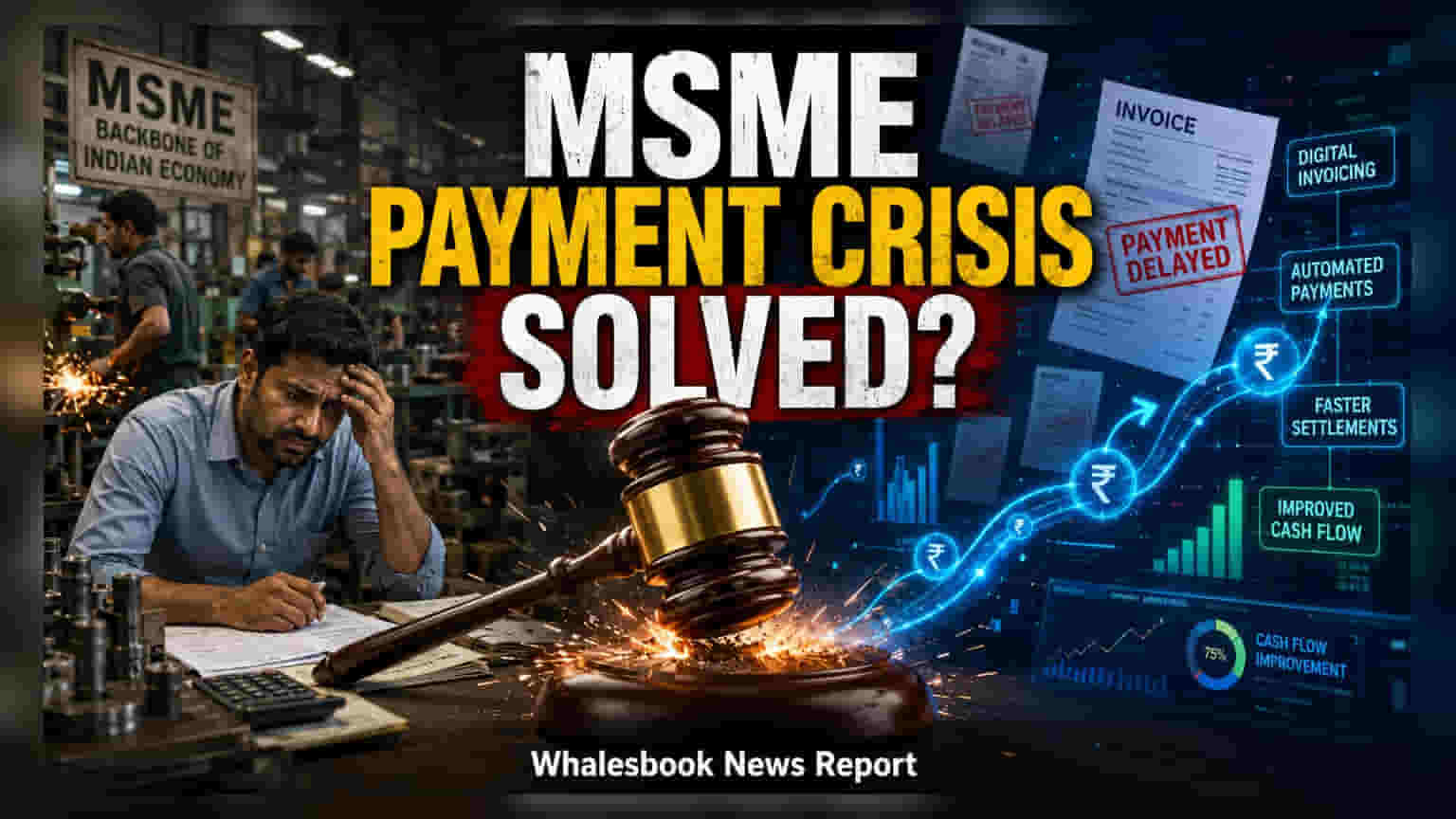
The Indian government has introduced amendments to the MSME Development Act, 2006, to ensure faster payments for small businesses supplying central public sector undertakings. By mandating digital invoicing via the TReDS platform and tightening dispute resolution, the move aims to ease working capital pressure for the MSME sector.
The central government has proposed significant changes to the Micro, Small and Medium Enterprises (MSME) Development Act, 2006, targeting the persistent challenge of delayed payments from central public sector undertakings (CPSUs). The primary change involves making digital invoicing mandatory for all transactions between MSMEs and CPSUs. This integration with the Trade Receivables Discounting System, commonly known as TReDS, is expected to improve cash flow for small suppliers by allowing them to receive payments faster against their invoices.
Strengthening Payment Protection and Dispute Resolution
Beyond digital invoicing, the proposed bill introduces structural changes to how payment disputes are handled. Currently, MSMEs often face prolonged delays when buyers challenge arbitration awards in court. To address this, the government is proposing that if a buyer appeals an award, they must deposit at least 50% of the adjudicated amount if the legal process exceeds six months. Furthermore, courts will be empowered to release these deposited funds directly to the MSME, providing essential liquidity during legal proceedings.
To manage these cases more efficiently, the legislation mandates the creation of additional Micro and Small Enterprises Facilitation Councils at the state level. These councils will have a specific composition of three to five members, including a mandatory legal expert to ensure that settlements are handled with professional oversight. This is a crucial step for many small businesses that often lack the resources to pursue long-drawn-out legal battles for outstanding payments.
Digital Registration and Compliance Simplification
In addition to payment reforms, the bill seeks to reduce the administrative burden on small businesses. A new, free national digital registration portal is planned to replace fragmented registration processes. This unified system is designed to act as a single point of access for various government schemes, incentives, and institutional support services.
Furthermore, the government is looking to decriminalize certain minor offenses under the current Act. By shifting from a punitive approach to a more compliance-friendly framework, the policy aims to encourage formalization among smaller enterprises. The success of these measures will largely depend on the actual adoption rates by state-level public sector entities and the speed at which these digital platforms are integrated into daily business operations. Investors may track the implementation timeline and the subsequent impact on the working capital cycles of companies heavily reliant on government contracts or those that operate within the MSME supply chain.